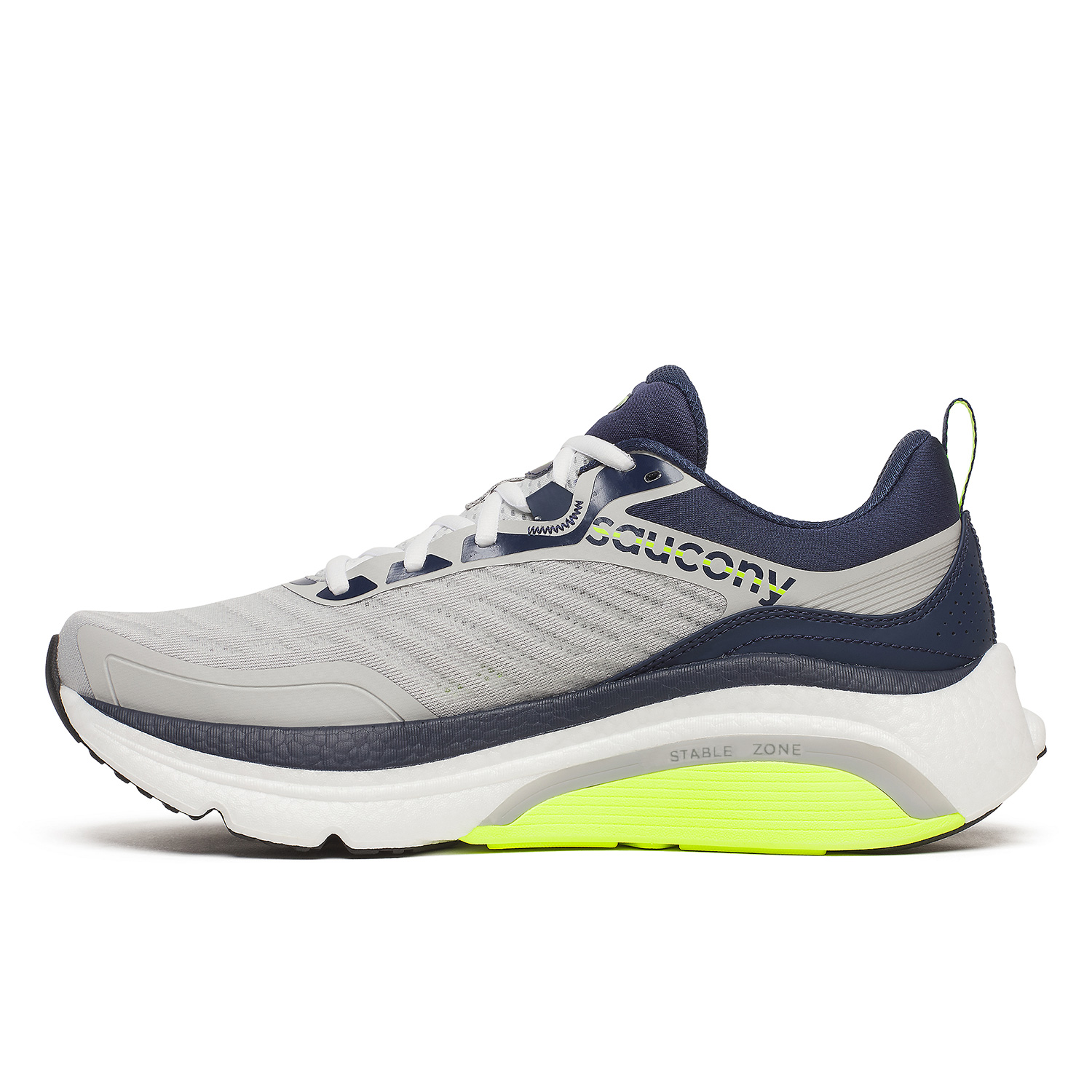
The decision in plain language

Saucony's ladder is unusually clear: Guide for everyday geometry, Tempus for faster support, Hurricane for plush mileage and Omni ST for stronger control.

The practical goal for saucony stability running shoes is not to chase the strongest label. It is to identify the combination of guidance, cushioning, drop and fit that remains comfortable in the exact activity you plan to do. Use prior shoe history as evidence, then change one variable at a time.

The Saucony support ladder

Guide 18, Hurricane 25, Tempus 2, Omni ST 23 are not interchangeable colorways. They occupy different places in the brand's range, from lighter geometry-led guidance to broader maximum-support platforms.

Compare the least and most structured options first. That contrast quickly reveals whether you value a light, flexible trainer or a planted, cushioned base; the middle model then becomes easier to judge.

What changes the answer

Support level is only one variable. Platform width influences how far the shoe can lean, foam determines how the base compresses, upper hold controls how securely the foot stays over that base, and heel-to-toe drop changes the transition. Those variables explain why two runners with similar-looking pronation can prefer different shoes.

For this topic, our shortlist contains 2 mild, 1 moderate and 1 maximum-support examples. That range is deliberate: it lets you compare the feel of guidance instead of assuming one construction is universally correct.

How to use the Saucony Stability Running Shoes shortlist

Begin with two models that differ clearly, not four nearly identical shoes. Wear the same socks, match the correct size and test at your normal pace. Note heel movement, midfoot pressure, toe contact, lateral wobble and whether the platform still feels orderly after fatigue begins.

If a shoe creates persistent numbness, sharp pressure or a new pain pattern, do not classify that as normal adaptation. Recheck size and width, then compare a less intrusive support system. Persistent or worsening symptoms deserve evaluation from a qualified professional rather than another blind footwear experiment.

Why these models answer “saucony stability running shoes”

Saucony Guide 18 represents the mild-support, balanced-cushion part of this decision. Its 6 mm drop and 9.6 oz listed weight shape the transition, while daily miles, mild guidance, walking describe the strongest reasons to shortlist it. CenterPath geometry supplies subtle guidance without a traditional post. Compare that complete profile with the question you are trying to solve rather than choosing by brand recognition alone.

Saucony Hurricane 25 represents the moderate-support, plush-cushion part of this decision. Its 8 mm drop and 10.0 oz listed weight shape the transition, while max cushion, long runs, recovery describe the strongest reasons to shortlist it. Dual-layer cushioning on a broad, supportive base. Compare that complete profile with the question you are trying to solve rather than choosing by brand recognition alone.

Saucony Tempus 2 represents the mild-support, responsive-cushion part of this decision. Its 8 mm drop and 8.9 oz listed weight shape the transition, while tempo, lightweight support, faster days describe the strongest reasons to shortlist it. A quicker stability trainer for runners who dislike bulky support shoes. Compare that complete profile with the question you are trying to solve rather than choosing by brand recognition alone.

Saucony Omni ST 23 represents the maximum-support, responsive-cushion part of this decision. Its 8 mm drop and 10.5 oz listed weight shape the transition, while maximum support, long runs, heavier runners describe the strongest reasons to shortlist it. Stable Zone construction and an energetic support frame create a controlled daily ride. Compare that complete profile with the question you are trying to solve rather than choosing by brand recognition alone.

Models that fit this exact question

These are not random popular shoes. Each model below was selected because its support level, cushioning or intended use gives you a meaningful comparison for saucony stability running shoes.

As an Amazon Associate, we may earn from qualifying purchases.
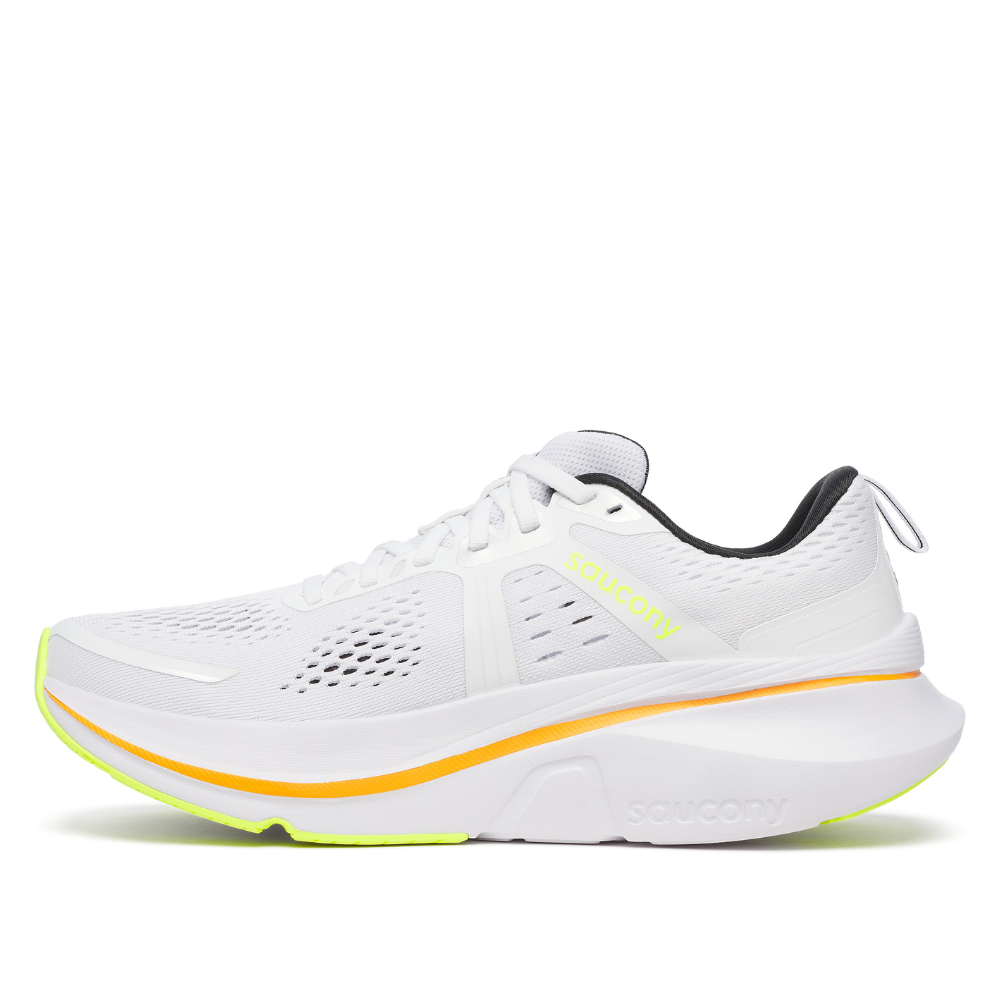
Saucony Guide 18
Saucony Guide 18mild support · balanced ride · 6 mm

CenterPath geometry supplies subtle guidance without a traditional post.

See current Guide 18 options on Amazon ↗
Saucony Hurricane 25
Saucony Hurricane 25moderate support · plush ride · 8 mm

Dual-layer cushioning on a broad, supportive base.

See current Hurricane 25 options on Amazon ↗
Saucony Tempus 2
Saucony Tempus 2mild support · responsive ride · 8 mm

A quicker stability trainer for runners who dislike bulky support shoes.

See current Tempus 2 options on Amazon ↗
Saucony Omni ST 23
Saucony Omni ST 23maximum support · responsive ride · 8 mm

Stable Zone construction and an energetic support frame create a controlled daily ride.

See current Omni ST 23 options on Amazon ↗

As an Amazon Associate, we may earn from qualifying purchases.

Compare saucony stability running shoes on Amazon ↗

A repeatable on-foot test

Use the shoes in the setting that matters. A store walk can reveal immediate pressure, but it may not predict how the platform behaves after several running miles. Keep socks, size, route and pace consistent. Check heel slip, arch pressure, toe contact, lateral wobble and whether the shoe still feels centered as fatigue builds.

Change one variable at a time. Comparing a dramatically softer shoe with a firmer model can reveal cushioning preference; comparing two similar rides with different guidance reveals support preference. Write down what you feel before reading more reviews so another runner's language does not overwrite your own experience.

Frequently asked questions

What should I compare first for saucony stability running shoes?

Start with immediate comfort and support feel, then compare fit, cushioning and the demands of your normal route. The Saucony Stability Running Shoes page provides a focused shortlist rather than every shoe in the catalog.

Is maximum support automatically safer?

No. More structure can help some runners and feel intrusive to others. Choose the least aggressive guidance that remains comfortable and predictable during your real mileage.

Which models belong on the first shortlist?

Saucony Guide 18, Saucony Hurricane 25, Saucony Tempus 2, Saucony Omni ST 23 represent useful starting points with meaningfully different rides.

Can a shoe diagnose or treat an injury?

No. Footwear can change comfort and loading, but it cannot diagnose gait or promise treatment. Seek qualified care for severe, sudden or persistent symptoms.

Final verdict

Saucony Stability Running Shoes Compared is best resolved through a focused shortlist and a consistent test. Start with the relevant Saucony Stability Running Shoes collection, compare different support levels and keep the shoe that feels comfortable, predictable and unobtrusive during the miles or walking you actually do.