Decide what cushioned should mean for your run
Some shoppers want a gentle landing; others want a lively rebound or less awareness of hard pavement. Those are different preferences. Before choosing a shoe, describe the sensation you want in ordinary language and identify what your current pair lacks. This makes a fitting more useful than asking for the softest shoe available.
Also name the intended session. A relaxed long run, a short recovery jog and a brisk daily outing do not necessarily favor the same ride. You may value a substantial platform at an easy pace yet find it distracting when turning frequently or picking up speed.
Build a shortlist with distinct cushioning approaches
Brooks Glycerin GTS 23 is worth trying if you want to compare a cushioned trainer that includes GuideRails. Nike Structure Plus offers a different arrangement with ZoomX and ReactX foams. The GEL-Kayano family is another logical fitting candidate, but check the generation: Kayano 32 and 33 should not be assumed to use identical support technology.
These are starting points selected for their product positioning, not results of our firsthand mileage testing. Choose two or three available in your size rather than ordering every plush model. The aim is to discover which construction works for you, not to crown the shoe with the longest feature list.
Test the platform when the foam is loaded
Standing and pressing a thumb into the sidewall are incomplete tests. During a trial, notice whether you feel centered as you transfer weight forward, whether the heel sits securely and whether the forefoot has enough space. A soft shoe that requires constant small adjustments may not provide the calm experience you wanted.
Include a few ordinary corners at an appropriate pace. A broad-looking sole can still feel awkward if the upper lets the foot move inside it. Conversely, a slightly firmer shoe may be the more comfortable choice if its shape and hold match your foot better.
Spend on the experience you can actually use
Higher prices often accompany premium foams, elaborate uppers or newer releases. Those features only justify the difference if they improve your experience. Compare an available previous edition, but inspect its fit and seller conditions rather than assuming every generation rides the same.
Before keeping the shoe, give the upper as much attention as the midsole. Plush collars can occupy space, and comfortable toe room matters even when the sole feels excellent. If two models are equally comfortable, practical factors such as available width, return terms and replacement availability can break the tie without needing a universal ranking.
Catalog models to investigate
Model profiles summarize published information, not personal wear testing.
As an Amazon Associate, we may earn from qualifying purchases.
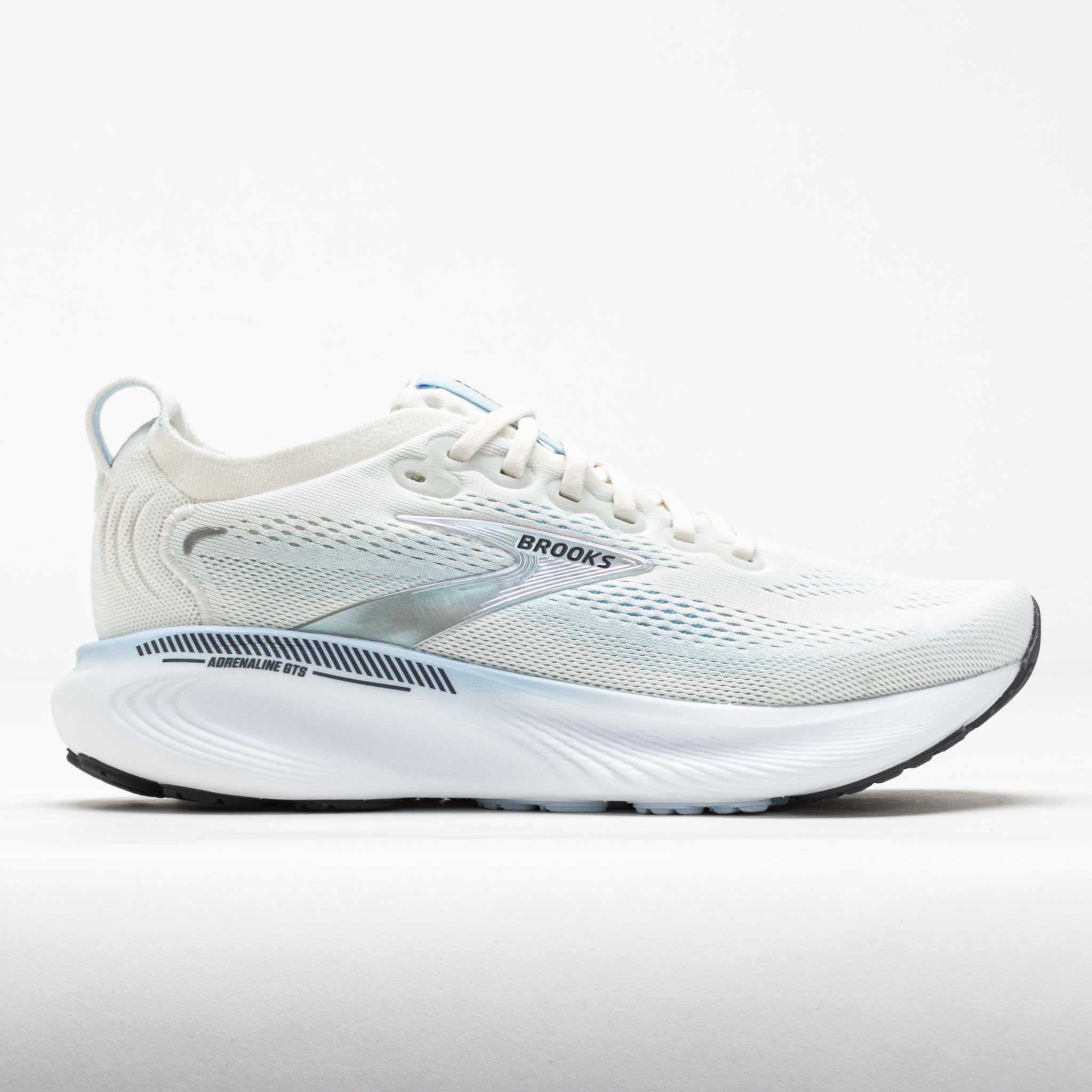
GuideRails support with a familiar daily-trainer feel.
Search Adrenaline GTS 25 on Amazon ↗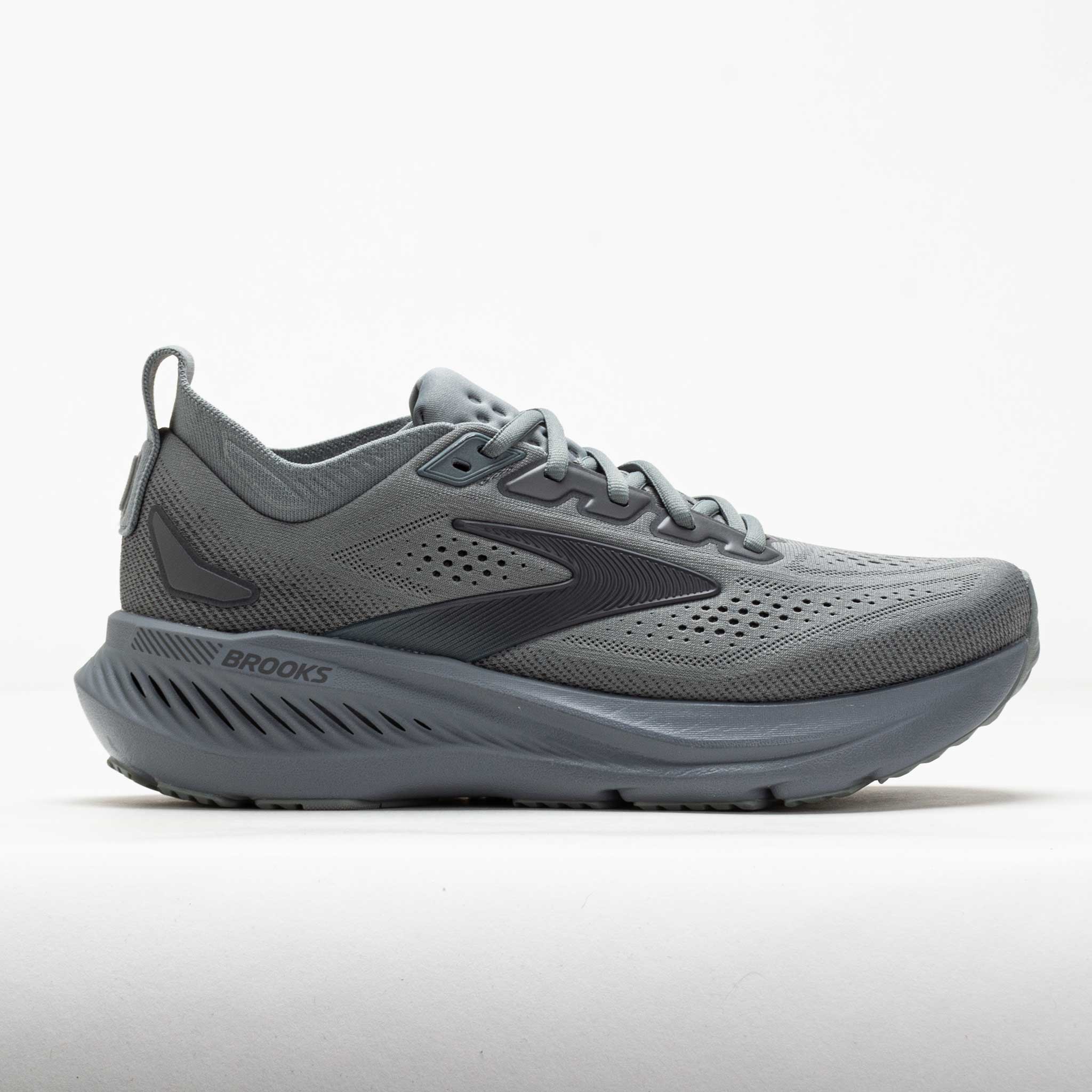
A softer, premium alternative to the Adrenaline.
Search Glycerin GTS 23 on Amazon ↗
Substantial motion management and a broad, durable platform.
Search Beast GTS 24 on Amazon ↗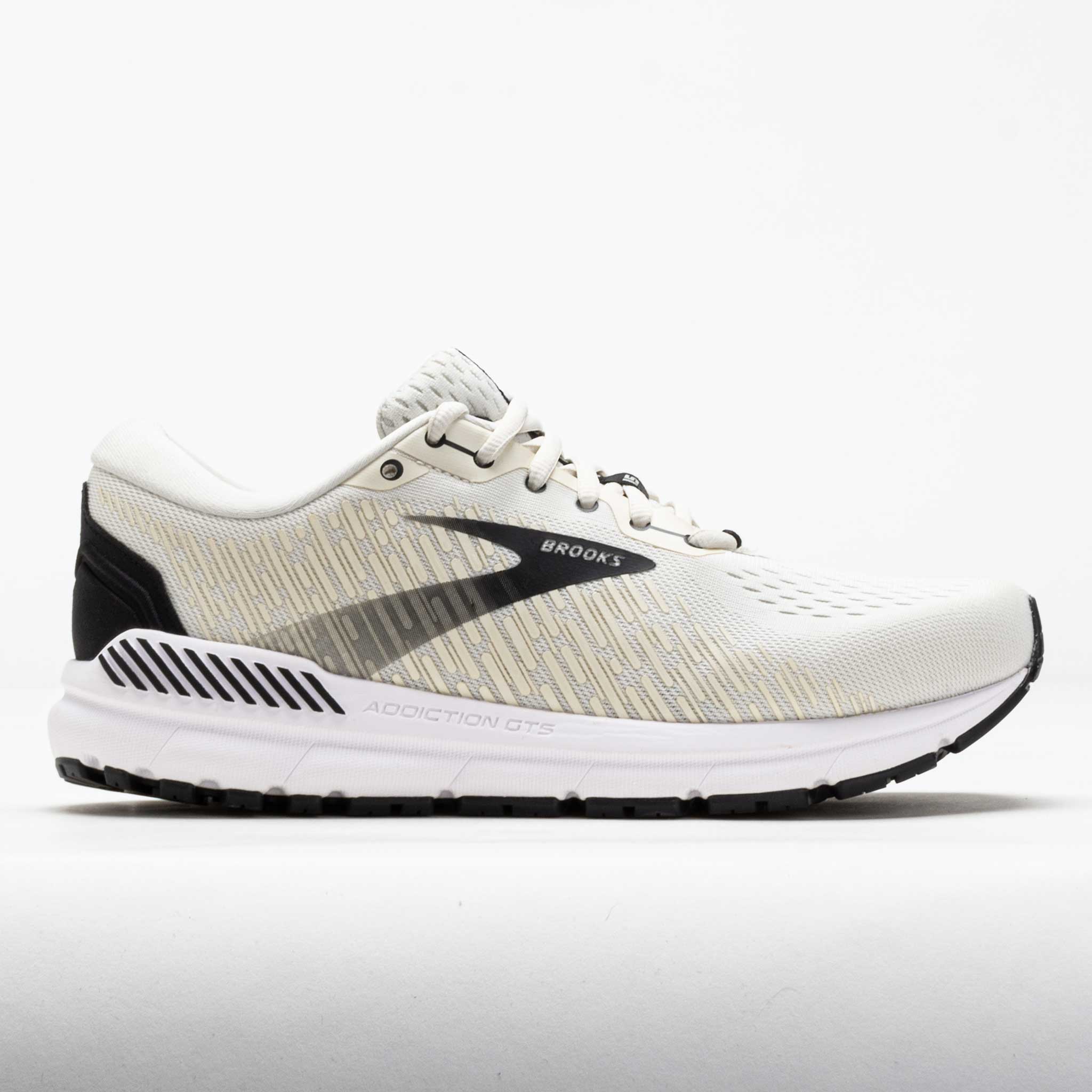
Roomy motion-control geometry for runners who prefer a firm base.
Search Addiction GTS 15 on Amazon ↗
Adaptive guidance paired with high-stack cushioning.
Search GEL-Kayano 32 on Amazon ↗Questions about this topic
Is the highest stack always the most cushioned choice?
No. Stack height describes the sole’s thickness at a specified location, not exactly how it feels under your load. Foam behavior and geometry both matter.
Should recovery shoes be softer than daily trainers?
Only if that feels better to you. Recovery-run pace does not create a requirement for the deepest or softest midsole.