Use a fair weight comparison
A listed shoe weight can refer to one shoe or a pair, and the reference size may differ between brands or men's and women's versions. Check those details before treating a small numerical difference as decisive. Weight also changes with the actual size you buy. If comparable manufacturer figures are unavailable, describe the shoe as a candidate for a lighter-feeling role rather than inventing a precise ranking. A bigger difference you can feel on foot is more relevant than a tiny gap between incompatible specification tables.
An example of a dedicated faster role
Brooks identifies Hyperion GTS 2 as a shoe combining a fast feel, lightweight cushioning and GuideRails support. That makes it an example to investigate when the missing job in your rotation is a quicker guided trainer. Those manufacturer claims do not establish how it compares with every newer model, and older inventory may have limited sizes. Confirm the GTS suffix: a shared family name does not guarantee the same support construction. Treat the exact generation as part of the product identity throughout your comparison.
Check what you give up and what you gain
A lighter shoe might use a different upper, amount of outsole coverage or cushioning package than your daily trainer. Inspect those differences rather than assuming lower weight is a free upgrade. Does the upper secure your foot on turns? Is there enough room where your toes spread? Does the shoe feel comfortable at the easy pace that will still occupy part of the run? A workout includes warm-up and cooldown, so a pair that feels appealing only during a short acceleration may have a narrower role than you want.
Keep the experiment focused
If you already have a reliable daily shoe, compare the lighter option for a specific session rather than immediately replacing everything. Identify whether you want less bulk, a different transition or simply variety. During a permitted trial, include steady running as well as the pace for which you are shopping, and pay attention to the same fit areas throughout. The purchase makes sense when it adds a useful experience without introducing an obvious compromise you dislike. If your priority is comfortable slow mileage, it is reasonable to choose the heavier candidate that fits better; the scale does not know your training brief.
Catalog models to investigate
Model profiles summarize published information, not personal wear testing.
As an Amazon Associate, we may earn from qualifying purchases.
A quicker stability trainer for runners who dislike bulky support shoes.
Search Tempus 2 on Amazon ↗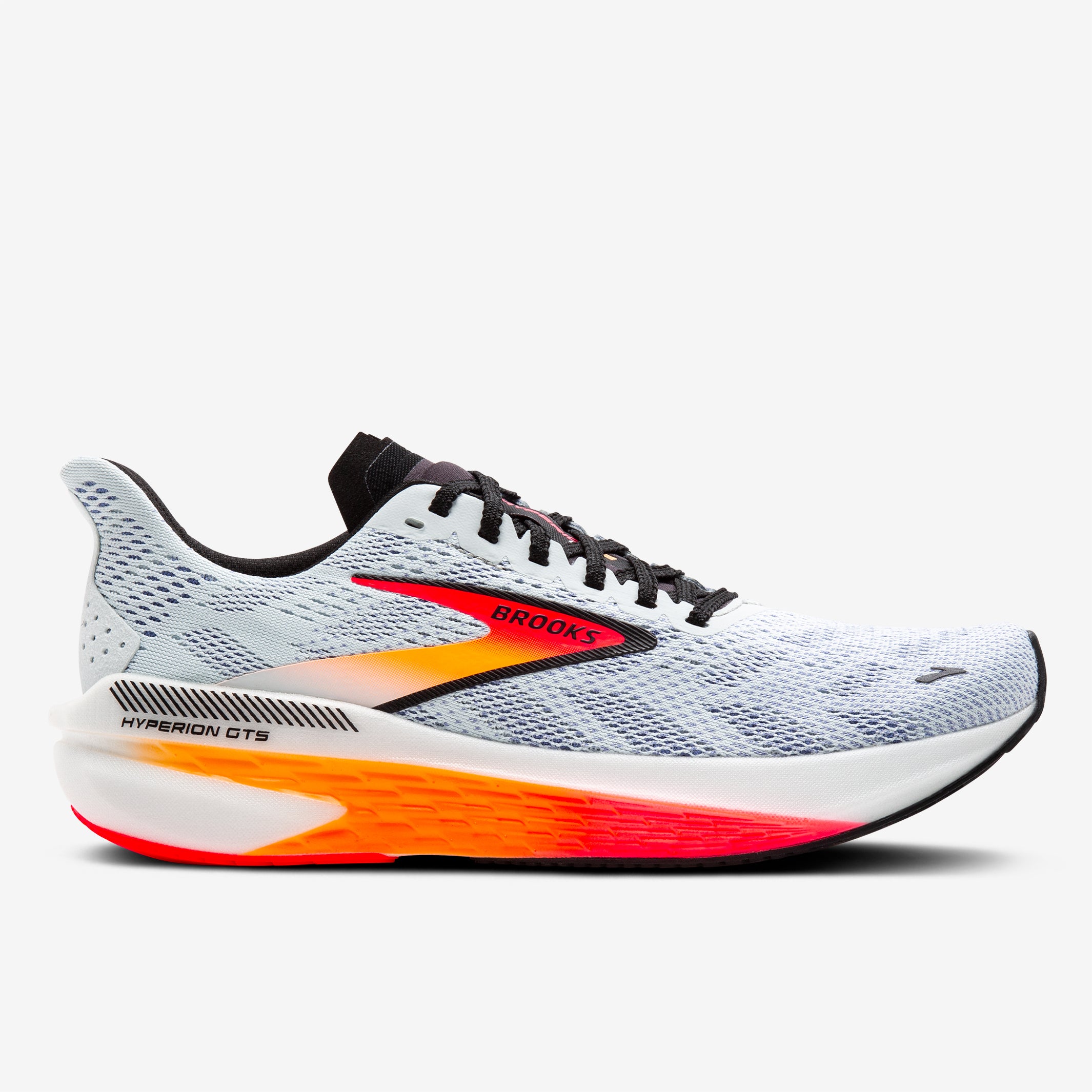
A light GuideRails trainer for workouts and runners who want support without bulk.
Search Hyperion GTS 2 on Amazon ↗Questions about this topic
Does responsive cushioning mean lightweight?
No. Responsive is a description of ride or marketing position, while weight is a measurement. Check the actual specification and its reference size.
Must a lightweight stability shoe feel minimal?
No. Foam, upper design and geometry create different combinations. Judge the amount of shoe you feel on your foot separately from the published weight.