Start by naming the missing job
Review your ordinary week before shopping. If almost every outing is an easy road run and your existing shoe works well, a second specialized shoe may add little. If you regularly run trails or dislike your daily trainer during faster sessions, there is a clearer reason to expand.
A rotation is not a requirement for becoming a serious runner. It is a way to match footwear to use and preference. Avoid buying a recovery shoe, long-run shoe and daily shoe merely because those labels appear in a guide; their roles can overlap substantially.
Keep the familiar daily trainer as the reference
Your daily pair should handle the largest share of ordinary running comfortably. When trying another shoe, compare it against that known experience. Ask what actually improves: less bulk during a workout, better grip on a trail or a more pleasant sensation for long easy outings.
The added shoe does not need the same brand or identical guidance technology. It does need an appropriate fit and a comfortable amount of support for the intended job. A shoe that feels fine for a brief fast interval may not automatically work for an entire long run.
Add only one new variable at a time
Introduce a second pair on a familiar session before using it for an important workout. If its drop, rocker and fit are very different, allow yourself time to decide whether the new sensation is useful. Keep notes on the session and any pressure or discomfort.
Do not assume a lighter shoe is always better for speed. If it sacrifices the hold or platform you rely on, the trade may be unhelpful. Equally, a deeper cushioned shoe is not automatically the ideal long-run partner if it feels cumbersome or awkward late in the outing.
Make the rotation easy to manage
Label shoes in your training log and track substantial walking use too. Store damp pairs where they can air dry, following manufacturer care instructions. Alternating pairs can make practical sense when one is wet, without requiring claims that a precise foam-rest interval improves performance.
Review whether each pair earns its place. If two shoes feel interchangeable, choose one when replacing them rather than automatically maintaining both. Save the budget for a genuine need, such as a terrain-specific outsole or an appropriate replacement for the pair you use most.
Catalog models to investigate
Model profiles summarize published information, not personal wear testing.
As an Amazon Associate, we may earn from qualifying purchases.
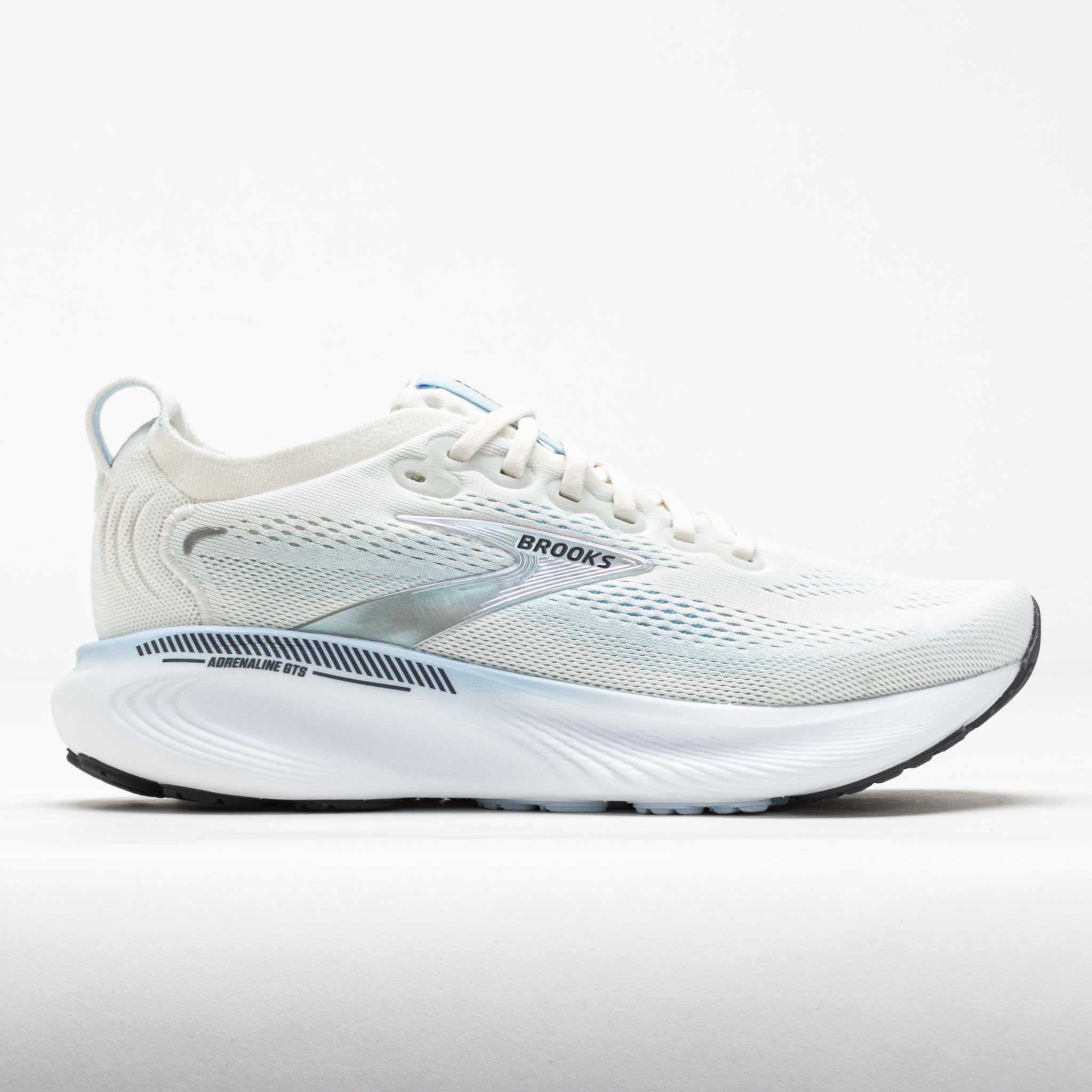
GuideRails support with a familiar daily-trainer feel.
Search Adrenaline GTS 25 on Amazon ↗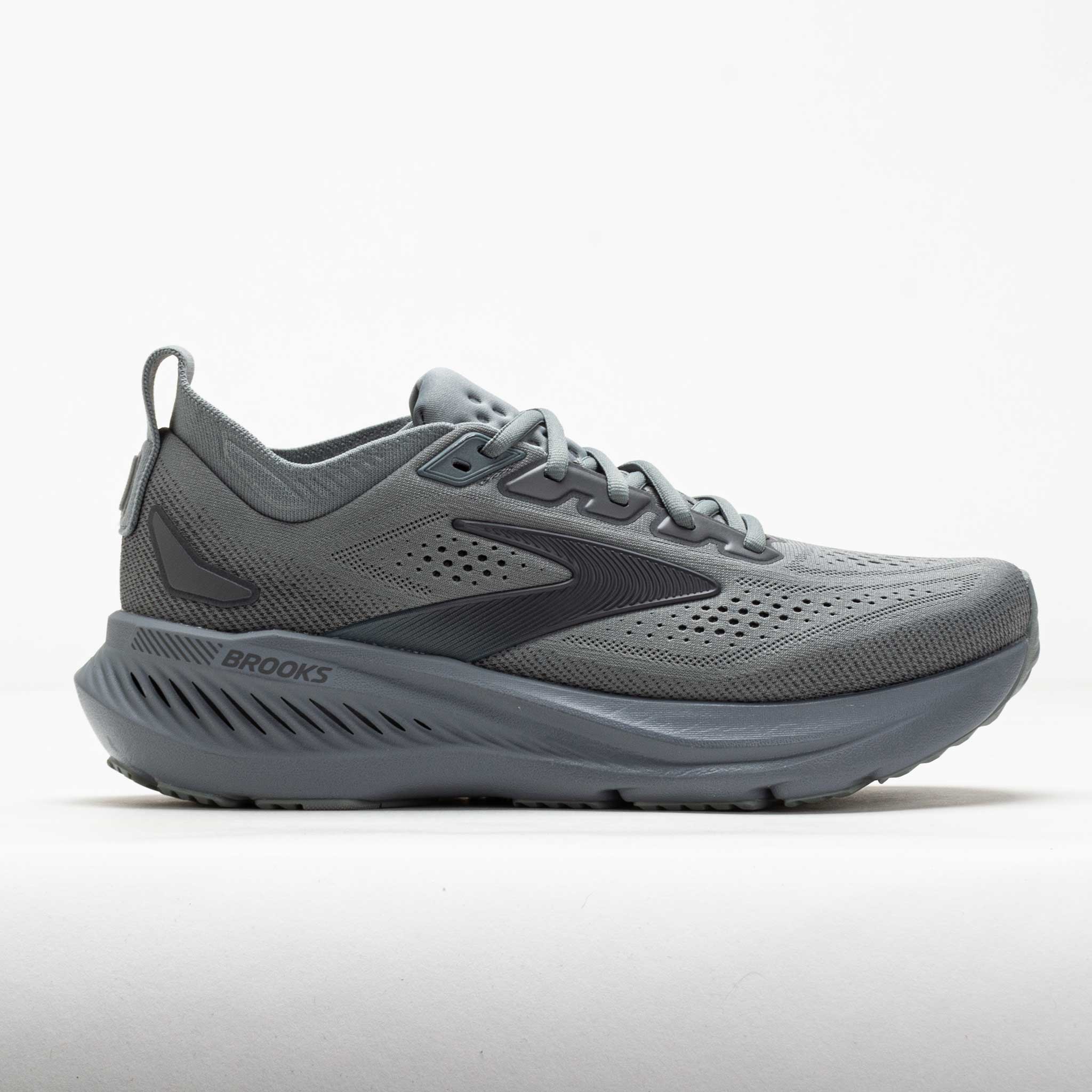
A softer, premium alternative to the Adrenaline.
Search Glycerin GTS 23 on Amazon ↗
Substantial motion management and a broad, durable platform.
Search Beast GTS 24 on Amazon ↗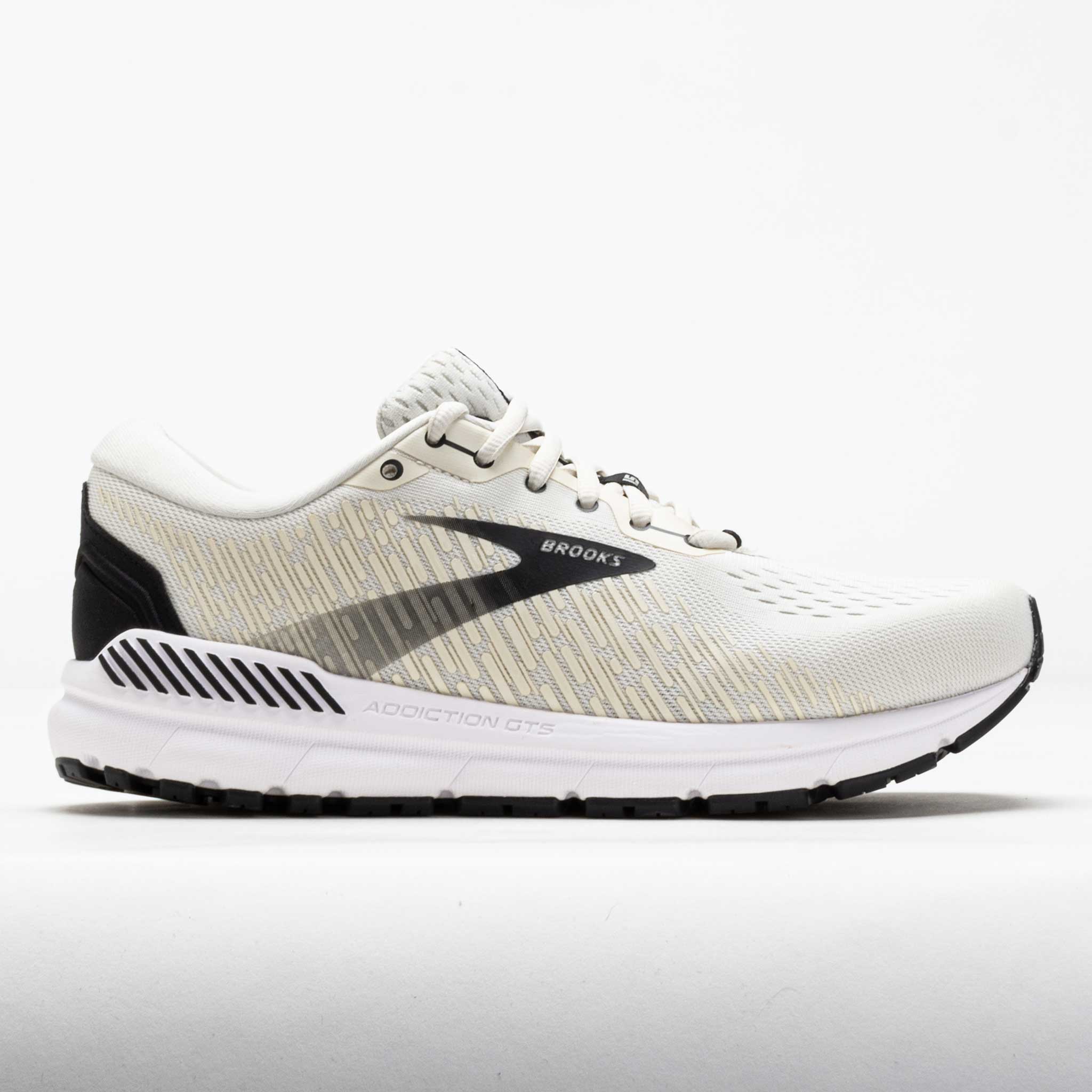
Roomy motion-control geometry for runners who prefer a firm base.
Search Addiction GTS 15 on Amazon ↗
Adaptive guidance paired with high-stack cushioning.
Search GEL-Kayano 32 on Amazon ↗Questions about this topic
Must every shoe in my rotation be a stability model?
Not necessarily. Individual fit and comfort matter more than matching labels. If you rely on prescribed footwear or orthoses, discuss significant changes with the professional managing them.
Do I need a separate marathon shoe?
Only if it performs a useful role for you. A comfortable daily trainer can also be a long-run or race shoe; test the intended pair in training.