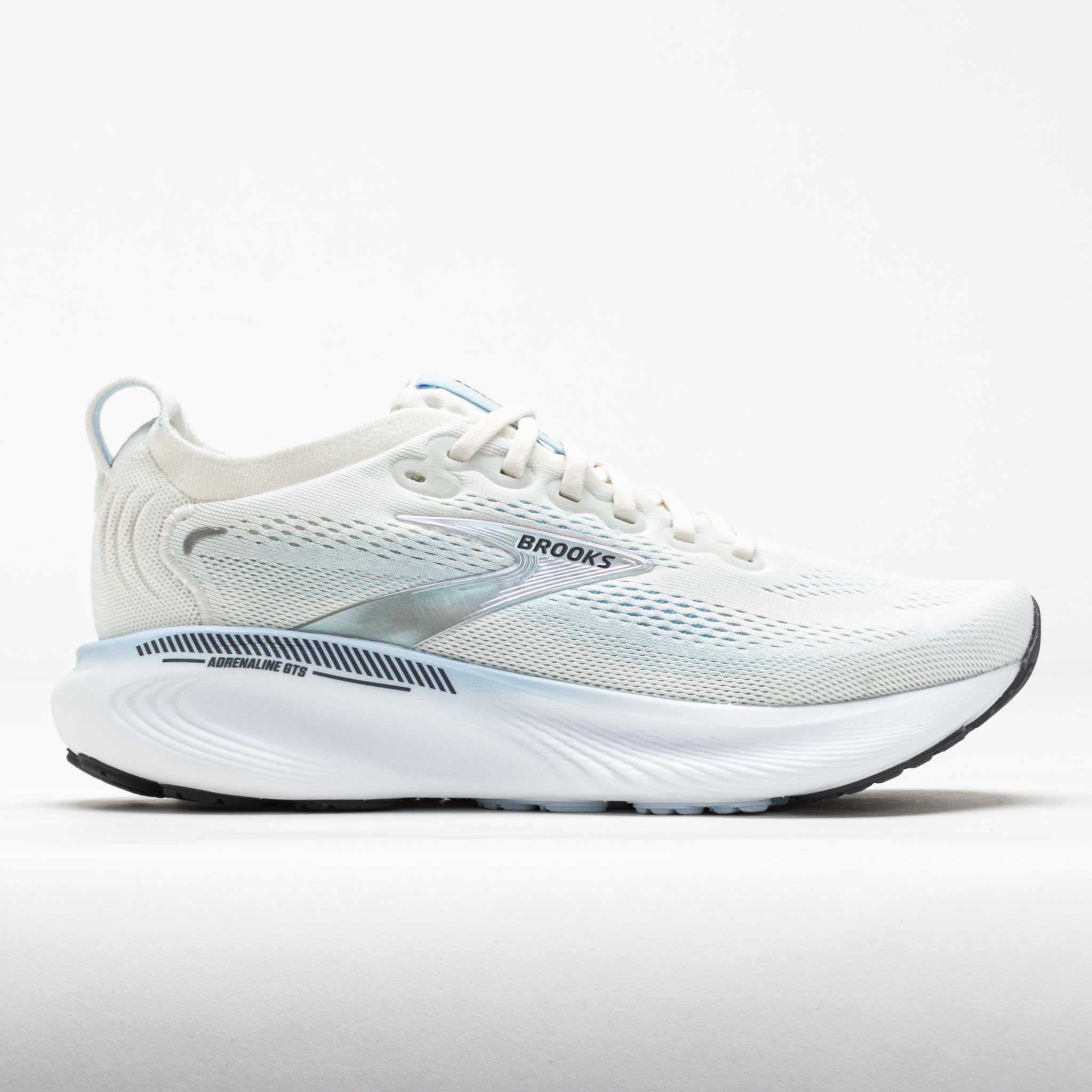
Brooks · moderate guidance
Adrenaline GTS 25
GuideRails support with a familiar daily-trainer feel.
Read model details · 10 mm drop
Search current Adrenaline GTS 25 options on Amazon ↗Compare guidance systems, cushioning, fit and real training use. Start with the finder, then inspect the model—not the marketing label.
Four choices. Up to three model families. Your drop selection filters the results; the other preferences rank them.
If pain is persistent, sudden or worsening, consult a qualified clinician. Shoe preference is individual.
As an Amazon Associate, we may earn from qualifying purchases.
GuideRails support with a familiar daily-trainer feel.
Read model details · 10 mm drop
Search current Adrenaline GTS 25 options on Amazon ↗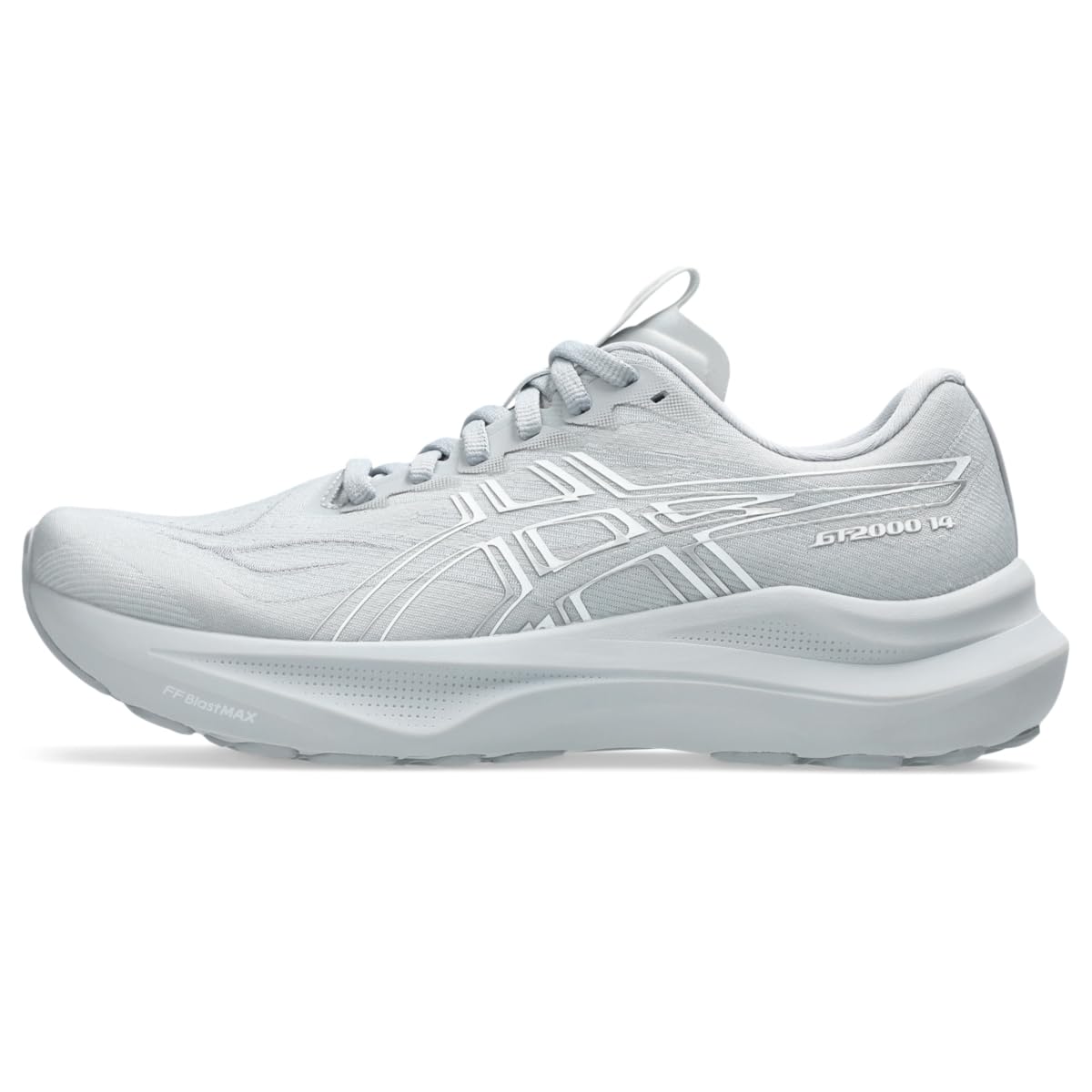
A versatile support shoe that stays lighter than a max-cushion option.
Read model details · 8 mm drop
Search current GT-2000 14 options on Amazon ↗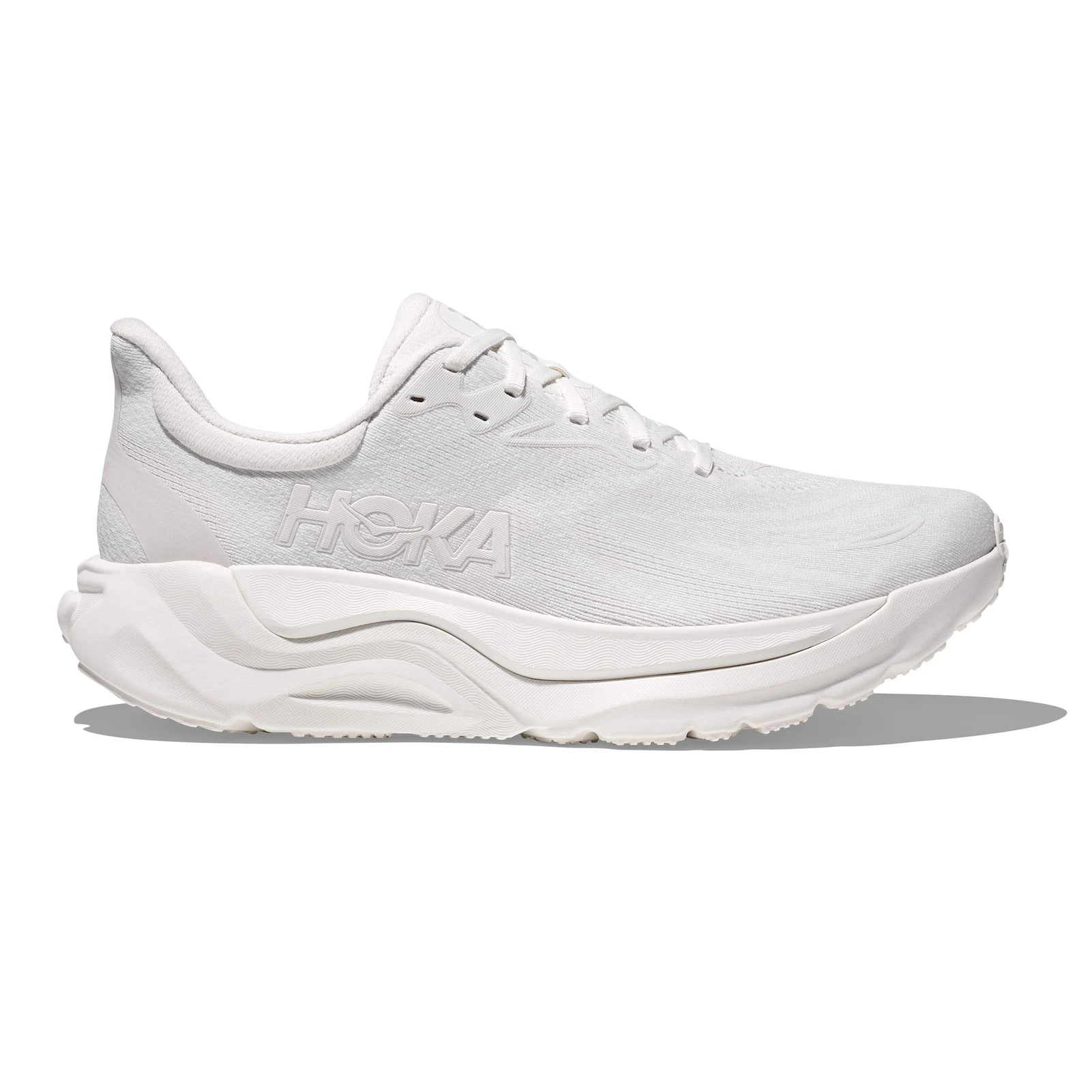
A rolling daily-training platform with added guidance.
Read model details · 8 mm drop
Search current Arahi 8 options on Amazon ↗Compare subtle, moderate and substantial guidance before choosing a model.
Explore collection →02Supportive daily trainers, long-run shoes and motion-control options for men.
Explore collection →03Women’s stability models organized by support, cushion and width.
Explore collection →04Guided shoes for mild, moderate and severe inward roll.
Explore collection →05Maximum-support platforms and motion-control choices.
Explore collection →06Less intrusive guidance for runners who need only a little structure.
Explore collection →07Broad platforms, full-contact geometry and adaptable support.
Explore collection →08Roomier models and wide-size pathways from major brands.
Explore collection →GuideRails support with a familiar daily-trainer feel.
As an Amazon Associate, we may earn from qualifying purchases.
Check options on Amazon ↗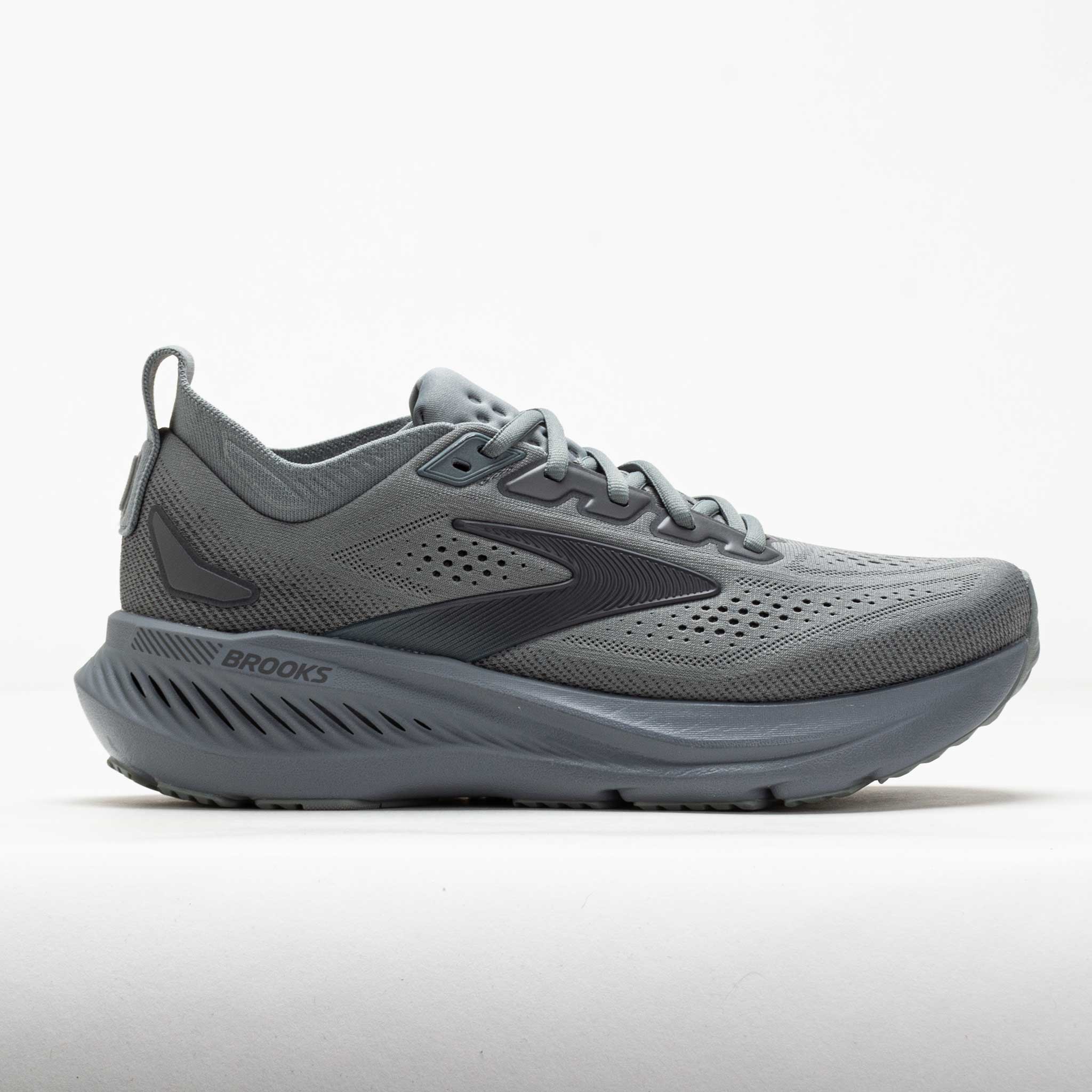
A softer, premium alternative to the Adrenaline.
As an Amazon Associate, we may earn from qualifying purchases.
Check options on Amazon ↗
Substantial motion management and a broad, durable platform.
As an Amazon Associate, we may earn from qualifying purchases.
Check options on Amazon ↗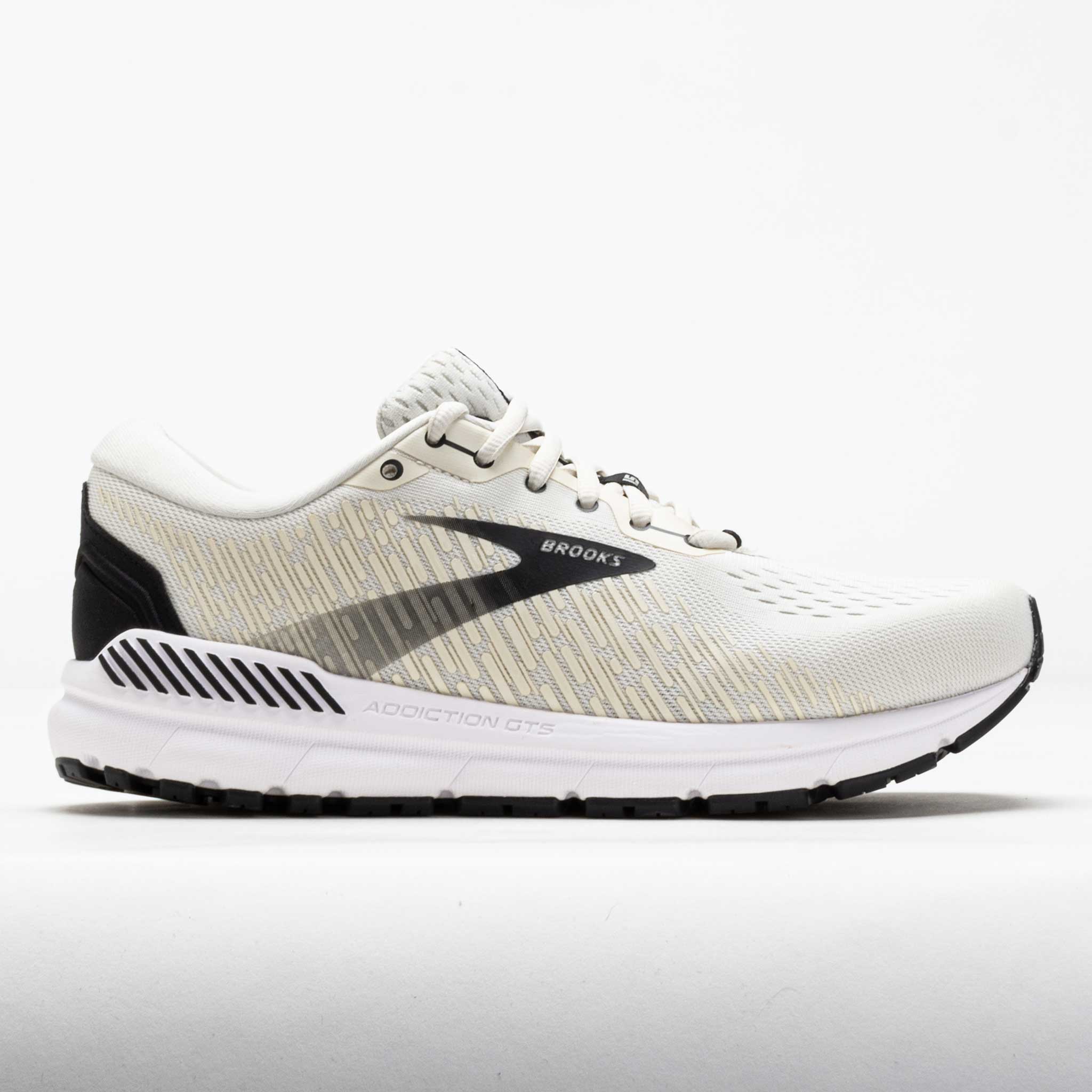
Roomy motion-control geometry for runners who prefer a firm base.
As an Amazon Associate, we may earn from qualifying purchases.
Check options on Amazon ↗
Adaptive guidance paired with high-stack cushioning.
As an Amazon Associate, we may earn from qualifying purchases.
Check options on Amazon ↗A versatile support shoe that stays lighter than a max-cushion option.
As an Amazon Associate, we may earn from qualifying purchases.
Check options on Amazon ↗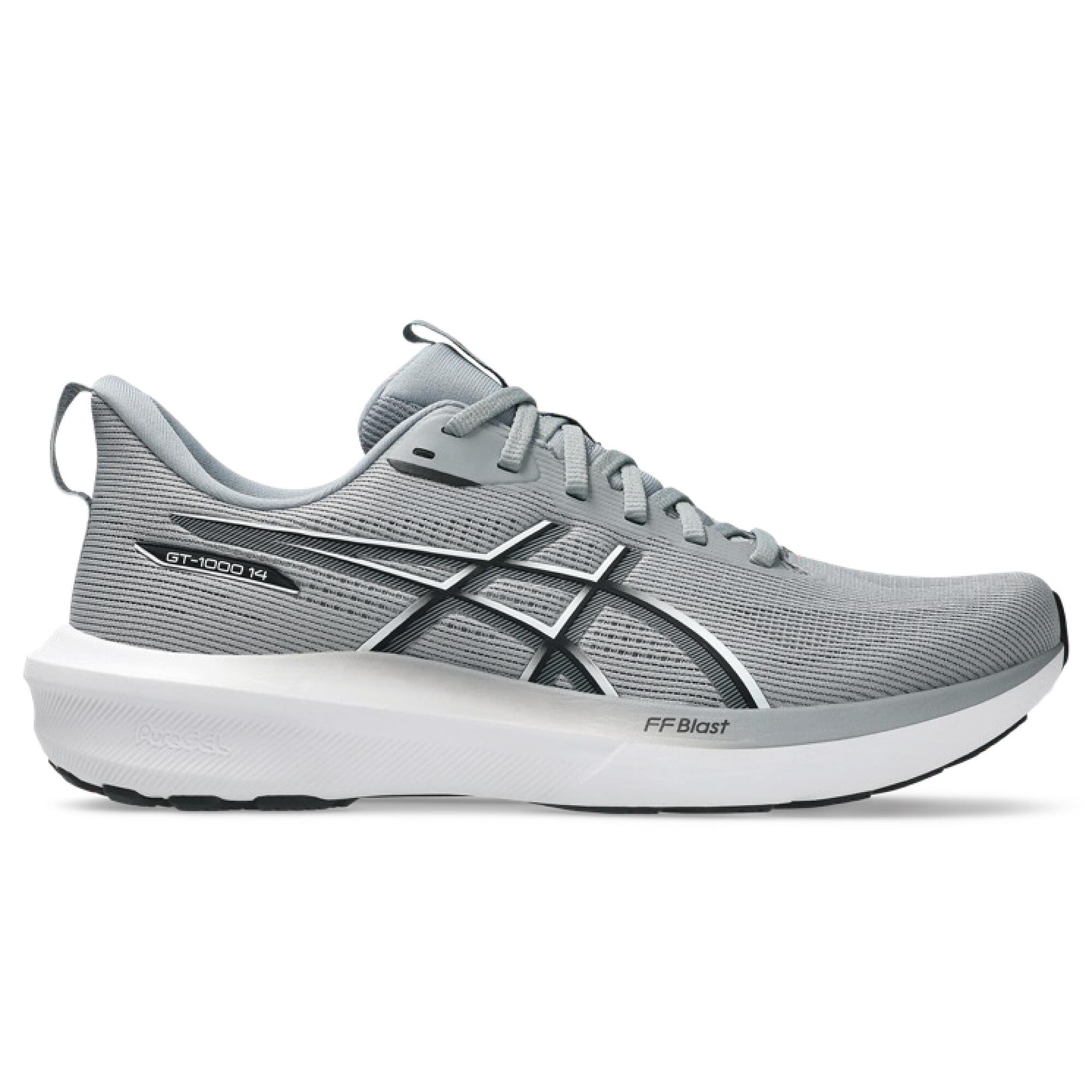
An approachable entry point into ASICS stability geometry.
As an Amazon Associate, we may earn from qualifying purchases.
Check options on Amazon ↗A rolling daily-training platform with added guidance.
As an Amazon Associate, we may earn from qualifying purchases.
Check options on Amazon ↗Neutral shoes are not “unsupportive,” and stability shoes are not automatically better. The real difference is how much extra guidance the platform adds.
Compare the two systems →Compare neutral and stability running shoes by construction, fit and the differences you can actually notice during a trial.
Learn the vocabulary behind running-shoe stability: platforms, sidewalls, posts, rails and the limits of support labels.
A shopping sequence for runners thinking about pronation, from clarifying the problem to choosing useful pairs to try.
Build a practical stability-shoe shortlist around daily use, cushioning preferences and fit instead of a universal ranking.
How to compare men’s stability running shoes without confusing size labels, width options and support preferences.
Questions to ask after a severe-overpronation assessment, with practical fit priorities and limits of maximum-support labels.
Choose stability shoes for walking by heel hold, forefoot movement, surfaces and everyday practicality.
How to evaluate lighter guided trainers, compare weight fairly and decide whether a workout shoe belongs in your rotation.
A restrained comparison process for mild-overpronation concerns, emphasizing specific sensations and practical fit changes.
A fit-focused buying guide for runners with flat feet and pronation concerns, including midfoot room and orthotic compatibility.
They are running shoes that add guidance through rails, frames, plates, sidewalls, firmer foam or broad platform geometry. The goal is to manage excess motion while preserving a comfortable stride.
No. Pronation is normal, and the amount visible while standing or walking does not determine the right shoe by itself. Comfort while running and a history of symptoms matter more.
Often, yes. A stability model may work well if its guidance is comfortable and non-intrusive. Stop using a shoe that produces persistent pressure, numbness or pain.
Brooks, ASICS, HOKA, Saucony, New Balance, Mizuno, Nike, Altra, PUMA, adidas, On and Topo Athletic all offer stability or guidance-focused models.