Define long by the outing you will actually do
A long run might be an easy weekend session, a supported marathon or a long route with frequent walking breaks. Describe duration, surface and likely pace rather than shopping from distance alone. A trail event requires different outsole priorities from a road loop. A training shoe used every week may also need to feel good on the easy runs surrounding the long outing. Write down those requirements before considering extra cushioning or a more substantial platform; otherwise, a generic long-distance label can obscure what the shoe must do.
Choose cushioning you enjoy, not the largest specification
More foam or a premium cushioning name does not determine the best long-run purchase. Saucony's Hurricane 25 is an example to investigate when you want a model explicitly positioned around maximum cushioning with guidance. It is still a fit candidate, not a promise of comfort over any distance. Compare it with a familiar pair and notice whether you like the transition as well as the initial softness. A plush first impression should not make you overlook heel movement, a cramped forefoot or a platform that feels awkward on your usual turns.
Collect observations over time
Once the shoe passes a basic fit check, use the seller's permitted trial conditions and begin with a manageable outing. Record where contact or pressure appears and whether laces need repeated adjustment. For longer tests, take the socks and any inserts you intend to use on the important run. The useful information is specific: the toe that touches the front on descents, the collar that rubs, or the tongue that moves. A vague impression of extra support is harder to act on than those concrete details.
Avoid making the important run the first experiment
Allow time to assess the exact pair before an event or key training session. If you are changing shoe geometry, size or an insert at the same time, it becomes harder to identify the source of an unwanted sensation. Keep the rest of the setup familiar where practical. A shoe that works well early in training can remain a sensible race-day choice without being the newest model. Before committing, inspect its condition and decide whether it still meets the same fit brief. The goal is confidence based on use, not confidence borrowed from a mileage claim on a product page.
Catalog models to investigate
Model profiles summarize published information, not personal wear testing.
As an Amazon Associate, we may earn from qualifying purchases.
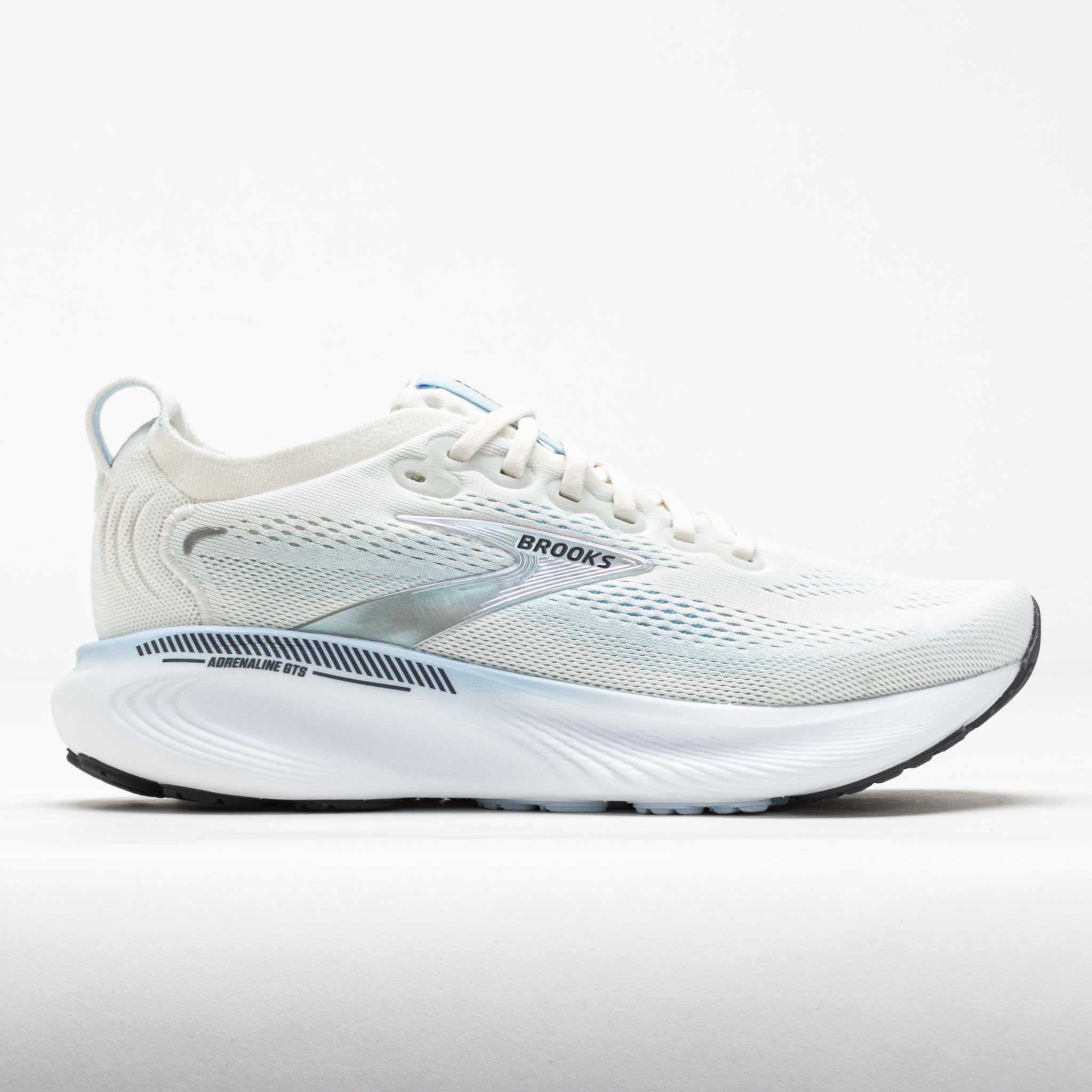
GuideRails support with a familiar daily-trainer feel.
Search Adrenaline GTS 25 on Amazon ↗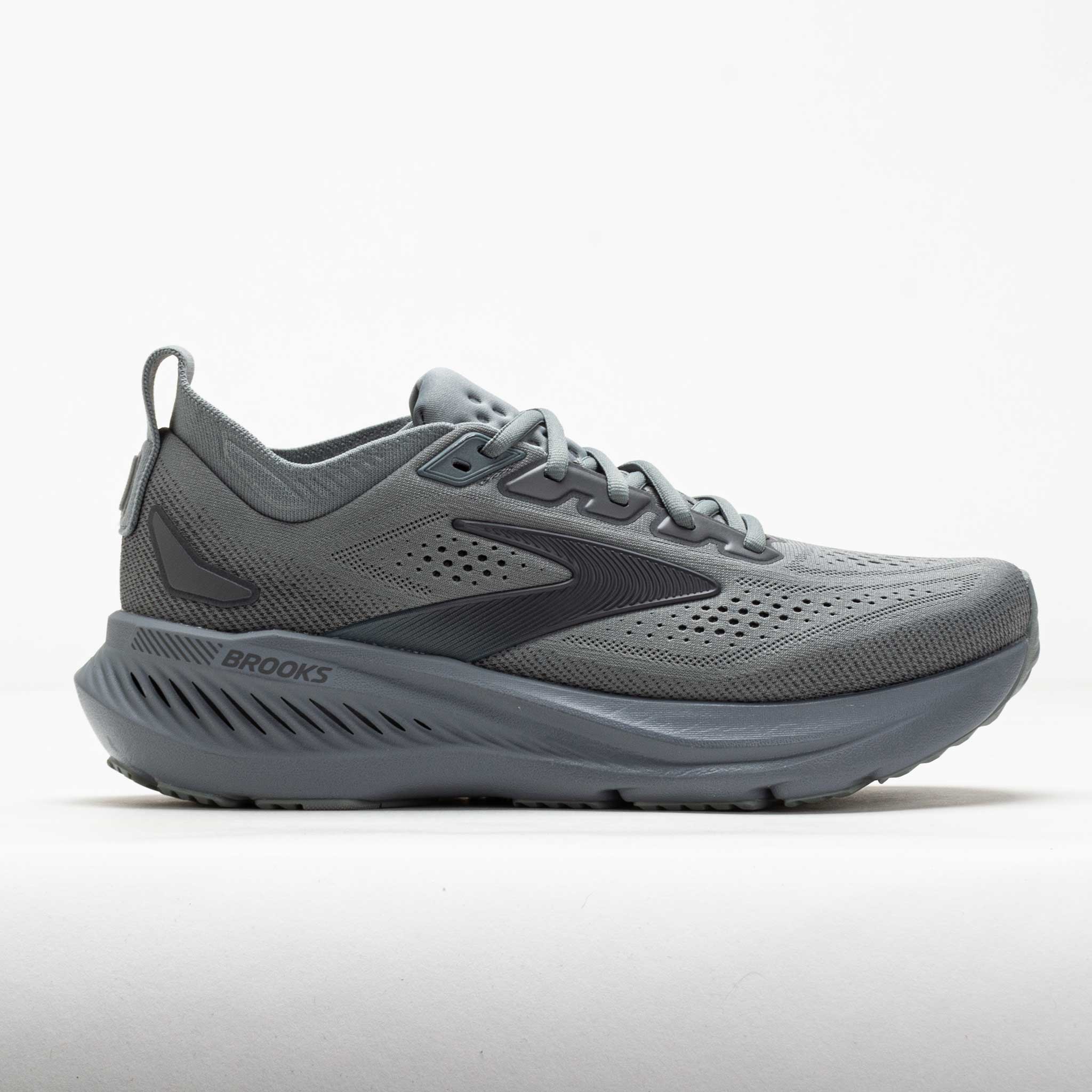
A softer, premium alternative to the Adrenaline.
Search Glycerin GTS 23 on Amazon ↗
Substantial motion management and a broad, durable platform.
Search Beast GTS 24 on Amazon ↗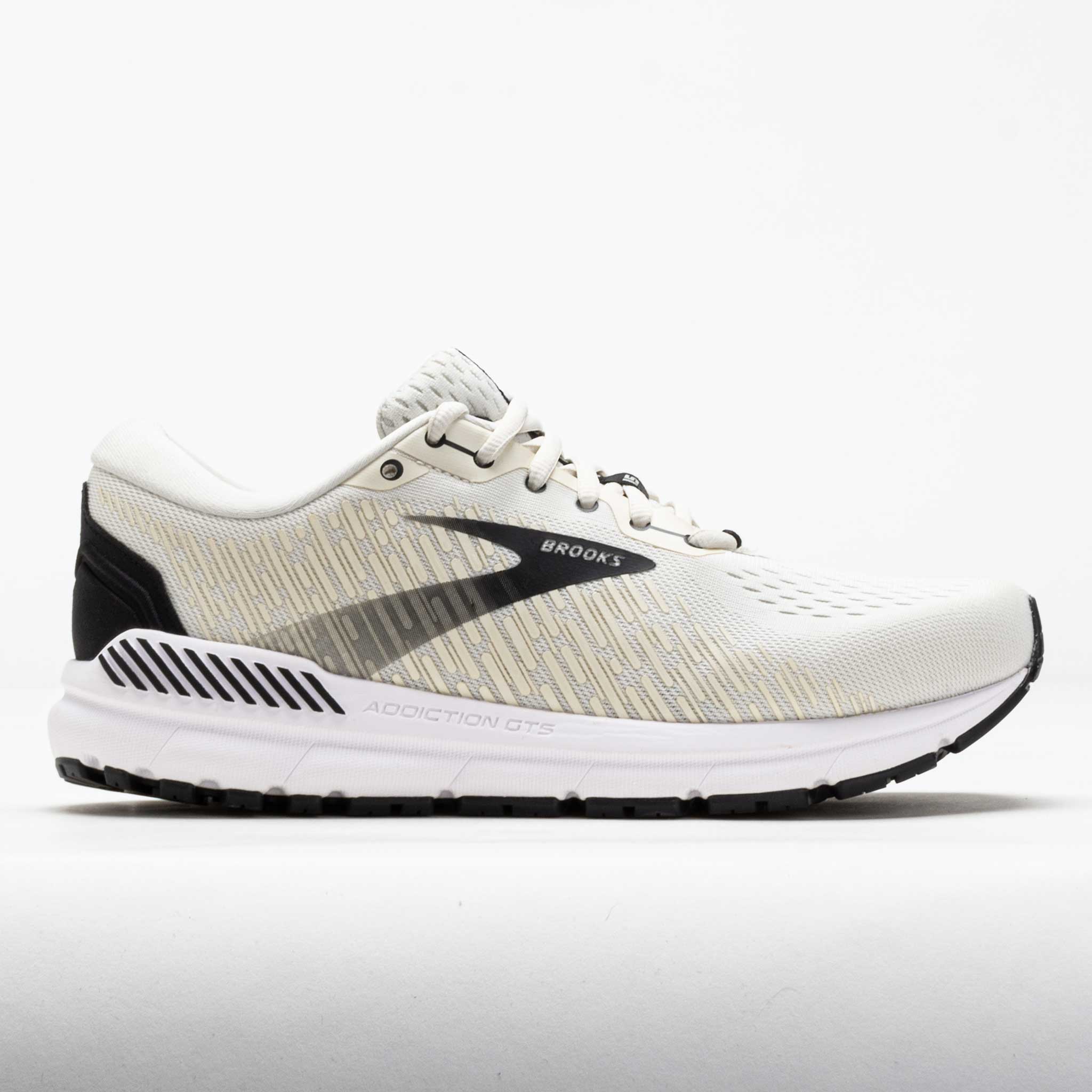
Roomy motion-control geometry for runners who prefer a firm base.
Search Addiction GTS 15 on Amazon ↗
Adaptive guidance paired with high-stack cushioning.
Search GEL-Kayano 32 on Amazon ↗Questions about this topic
Do I need maximum support for a marathon?
Distance alone does not establish a support category. Choose construction and fit that work for you, incorporating individual professional advice when relevant.
Should I buy extra length for long runs?
Do not add length automatically. Check usable toe space with your intended socks and consider width and upper volume as separate fit dimensions. An oversized heel can create a different problem.