Brooks · maximum support
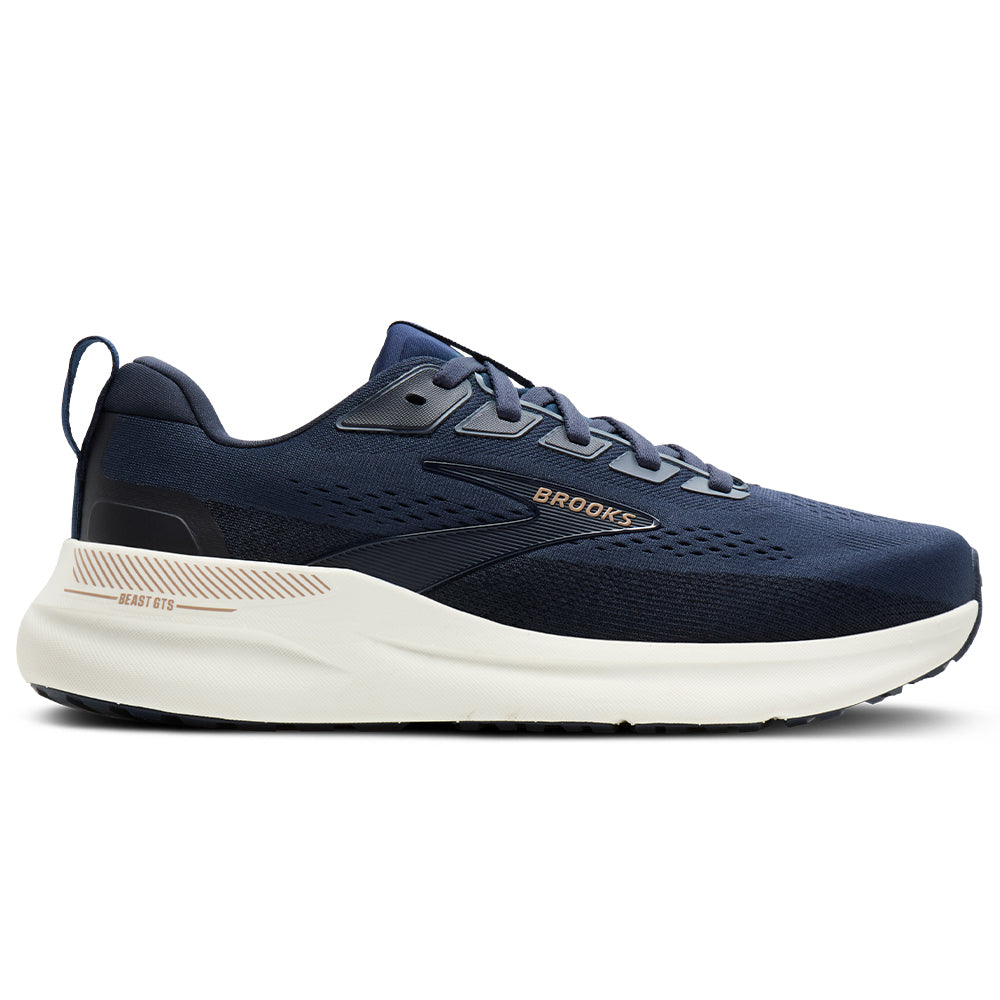
Brooks Beast GTS 26
The current Beast combines a roomy platform, plush foam and substantial GuideRails support.
plush cushion12 mm drop
As an Amazon Associate, we may earn from qualifying purchases.
Check options on Amazon ↗Durable, cushioned guidance for half-marathon and marathon training. Use the guidance below to understand the selection and its limits. Confirm the exact model and variation on the retailer page.
Compare 15 model families ↓The current Beast combines a roomy platform, plush foam and substantial GuideRails support.
As an Amazon Associate, we may earn from qualifying purchases.
Check options on Amazon ↗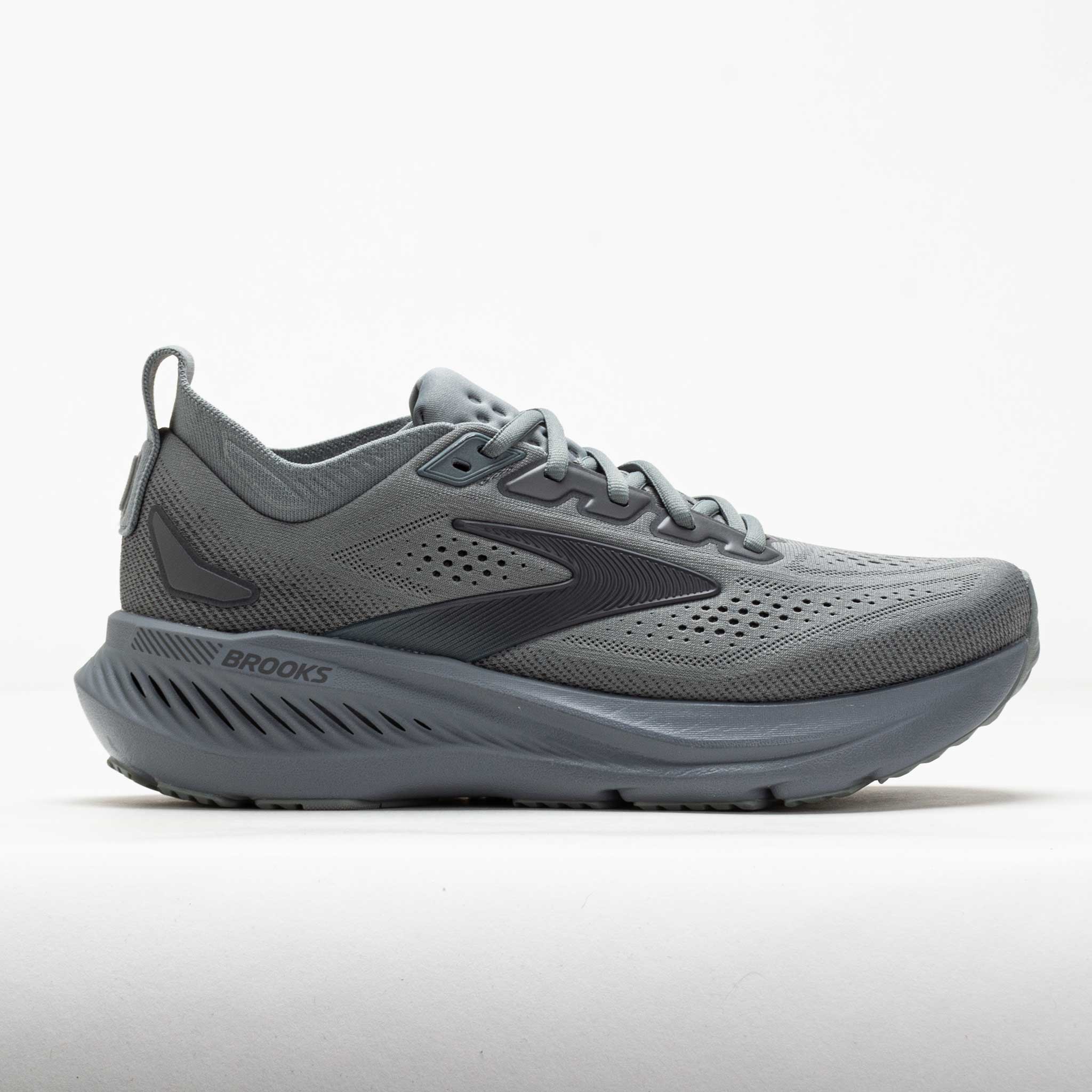
A softer, premium alternative to the Adrenaline.
As an Amazon Associate, we may earn from qualifying purchases.
Check options on Amazon ↗
Adaptive guidance paired with high-stack cushioning.
As an Amazon Associate, we may earn from qualifying purchases.
Check options on Amazon ↗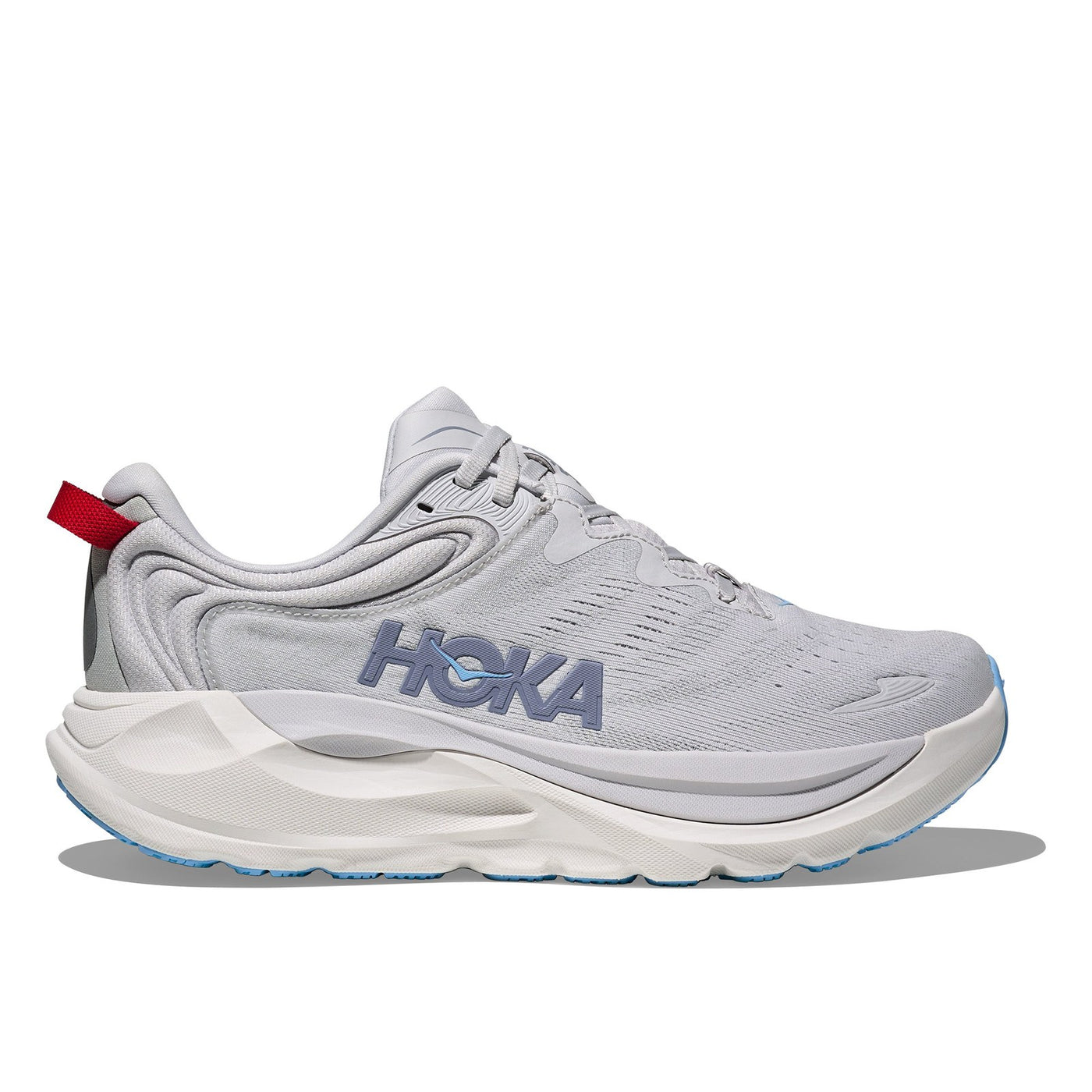
A broad H-Frame platform for runners wanting more shoe underfoot.
As an Amazon Associate, we may earn from qualifying purchases.
Check options on Amazon ↗
Dual-layer cushioning on a broad, supportive base.
As an Amazon Associate, we may earn from qualifying purchases.
Check options on Amazon ↗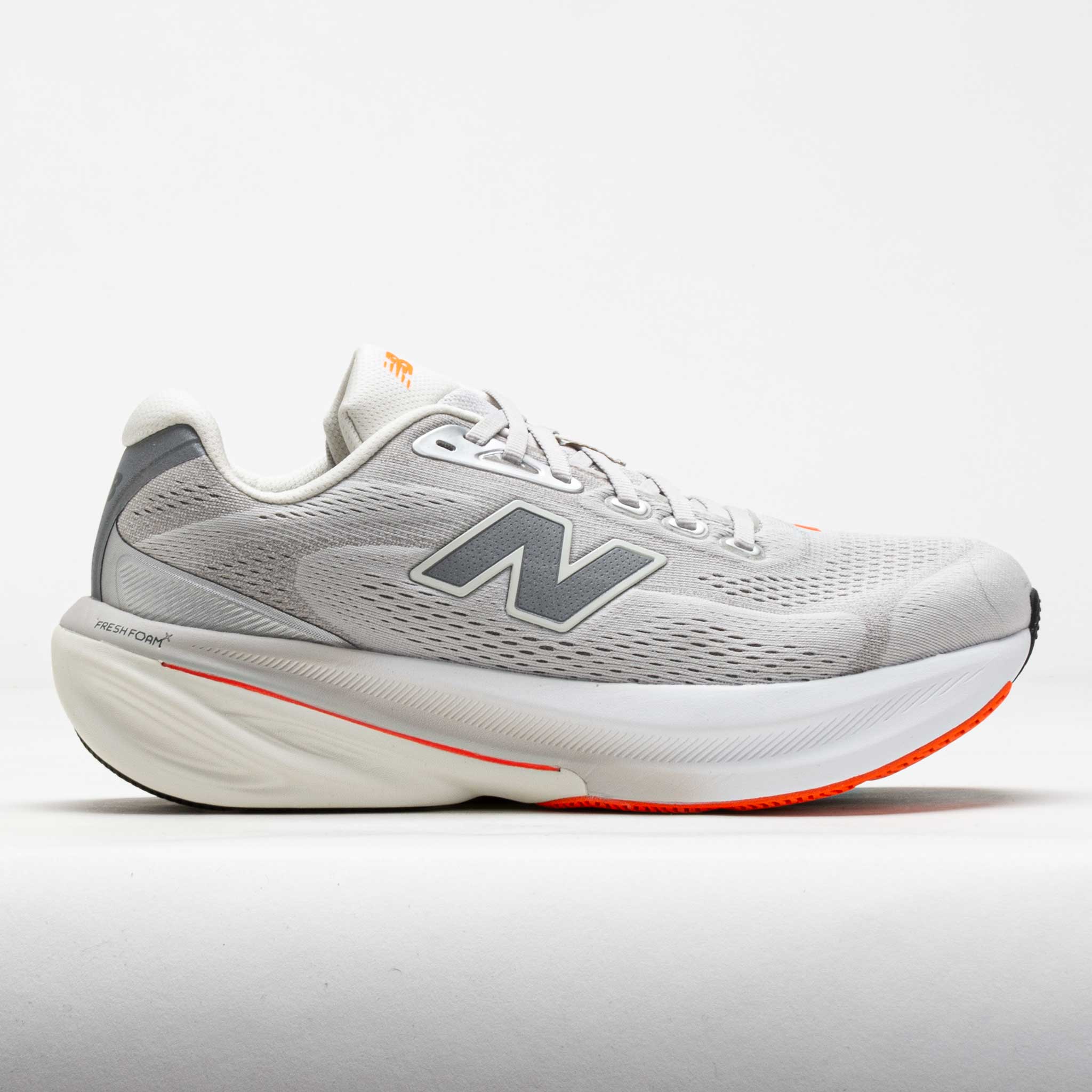
Fresh Foam comfort with dependable everyday guidance.
As an Amazon Associate, we may earn from qualifying purchases.
Check options on Amazon ↗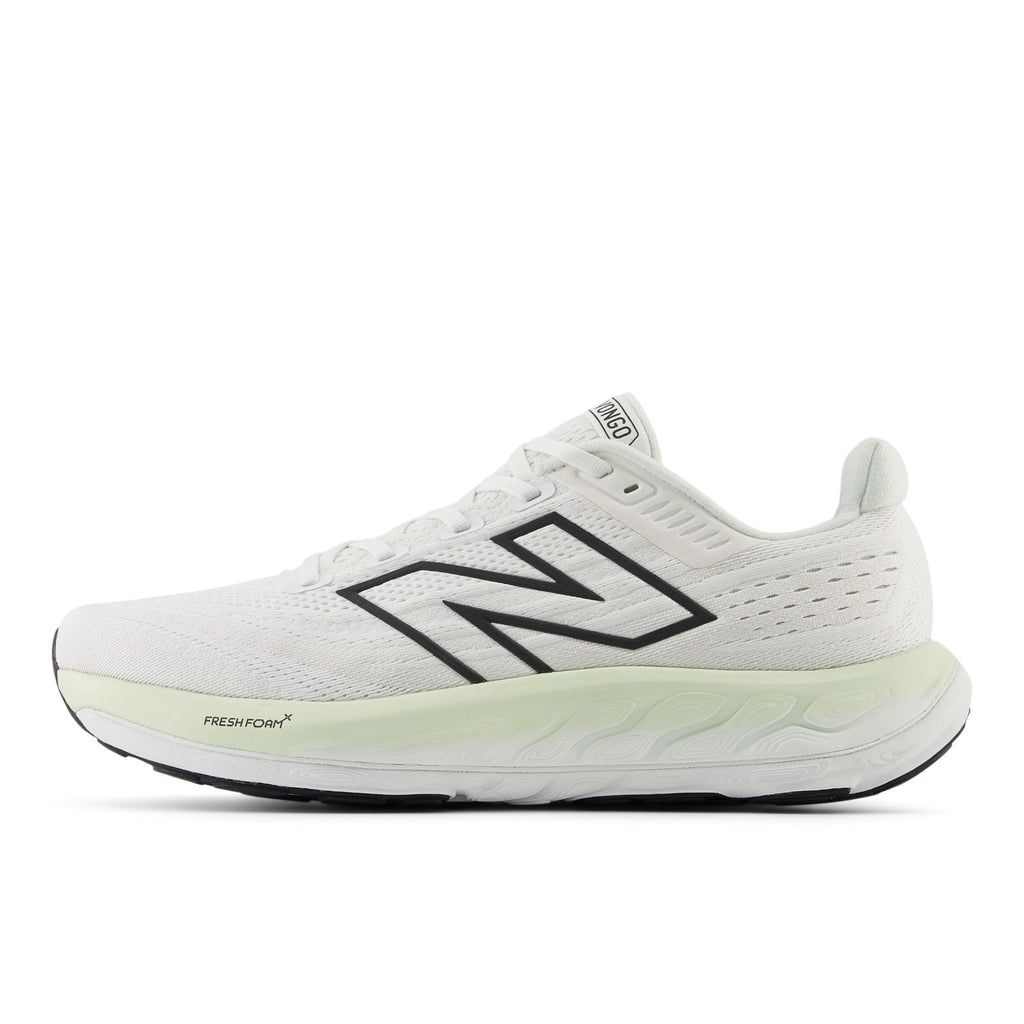
A Stability Plane adds support without a hard medial post.
As an Amazon Associate, we may earn from qualifying purchases.
Check options on Amazon ↗
A high-cushion platform with pronounced structural guidance.
As an Amazon Associate, we may earn from qualifying purchases.
Check options on Amazon ↗
Altra's roomier, higher-cushion stability platform.
As an Amazon Associate, we may earn from qualifying purchases.
Check options on Amazon ↗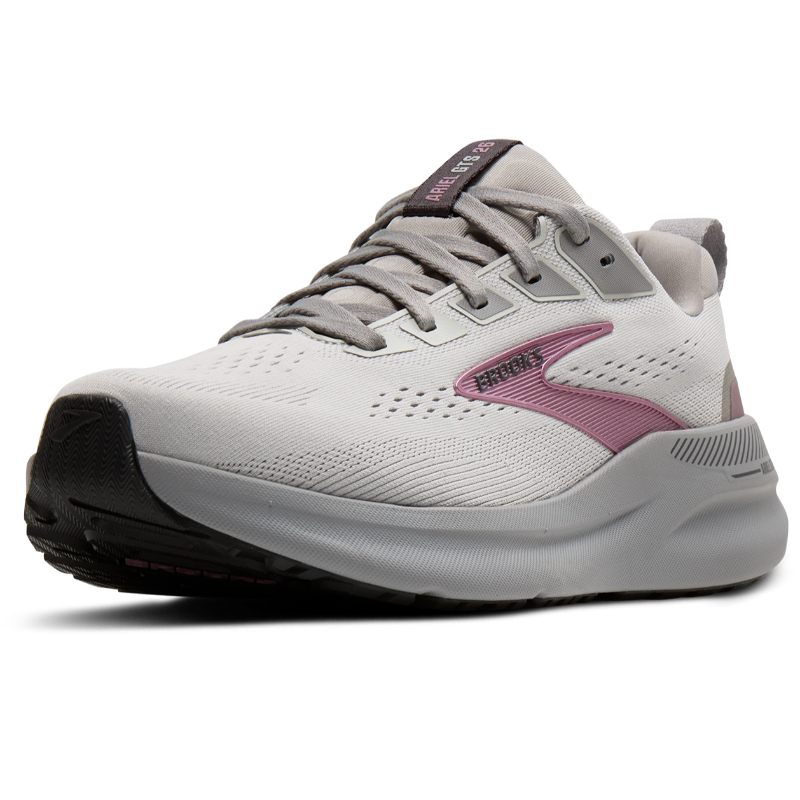
A women-specific maximum-support platform with GuideRails guidance.
As an Amazon Associate, we may earn from qualifying purchases.
Check options on Amazon ↗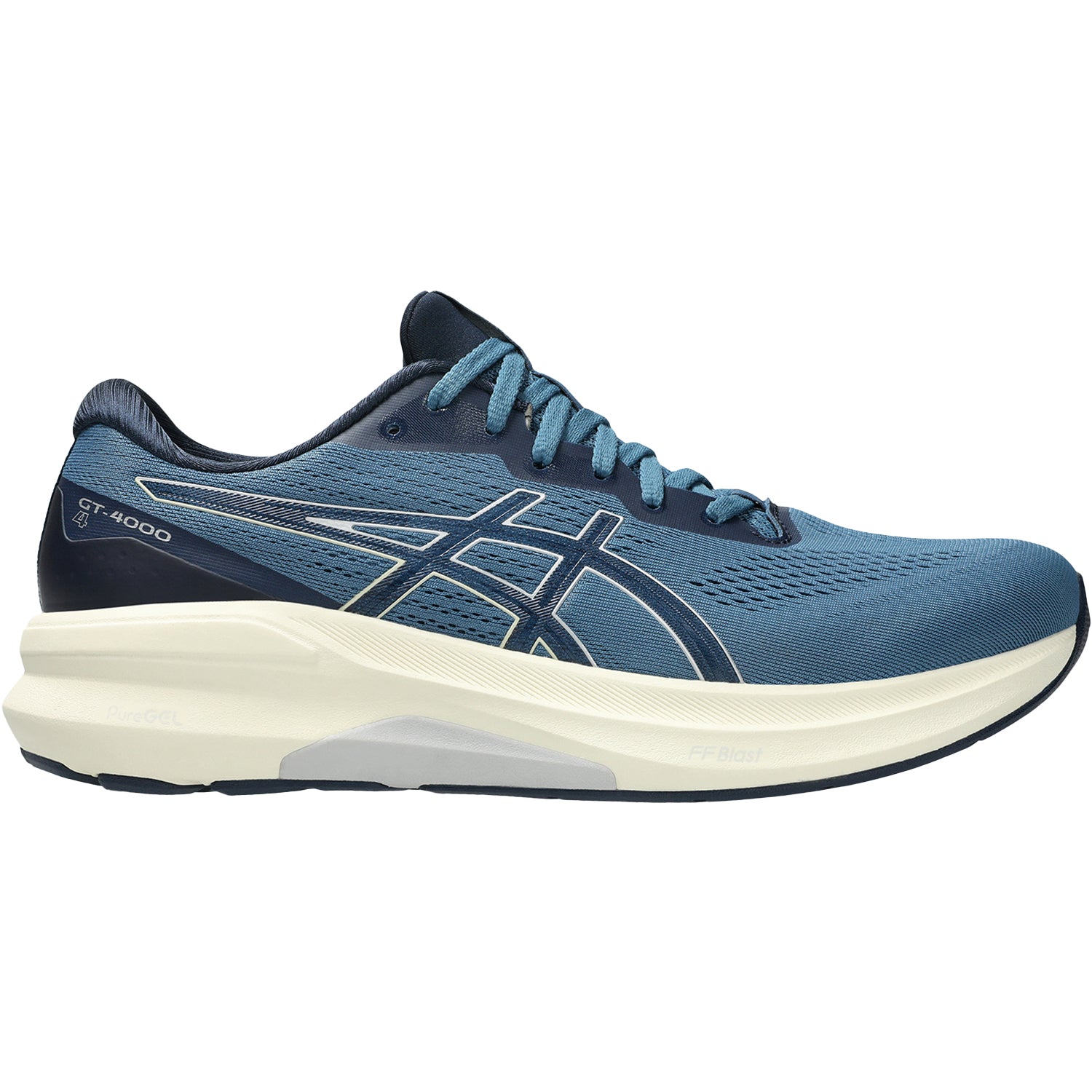
LITETRUSS guidance and a broad cushioned base make this ASICS' higher-support road option.
As an Amazon Associate, we may earn from qualifying purchases.
Check options on Amazon ↗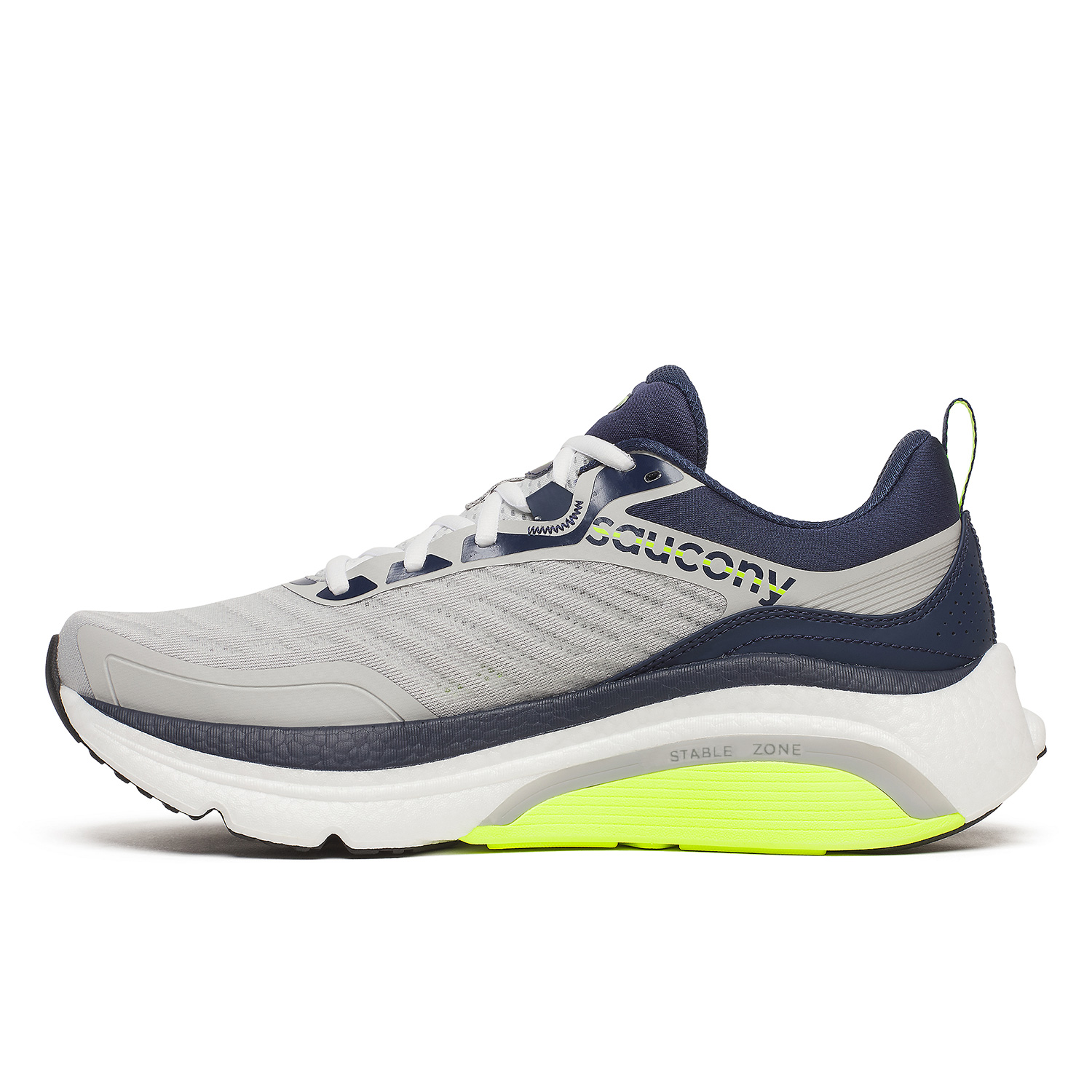
Stable Zone construction and an energetic support frame create a controlled daily ride.
As an Amazon Associate, we may earn from qualifying purchases.
Check options on Amazon ↗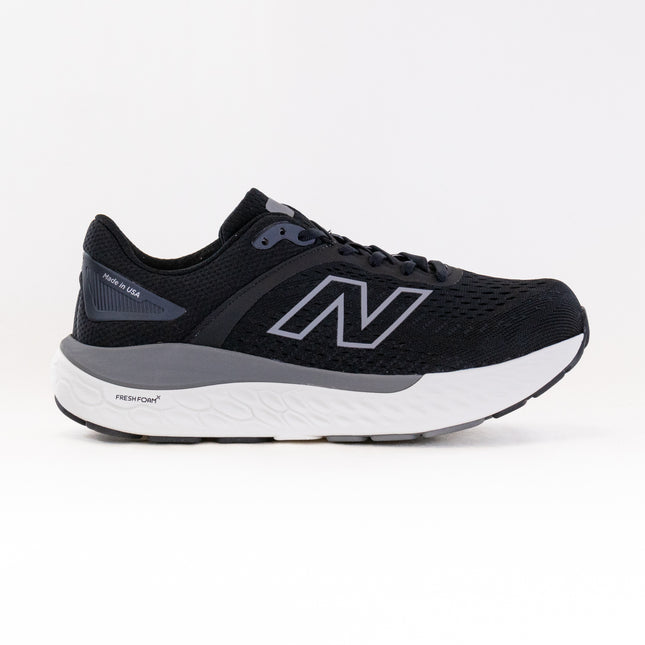
ROLLBAR rearfoot control, extensive width choices and Fresh Foam cushioning.
As an Amazon Associate, we may earn from qualifying purchases.
Check options on Amazon ↗
H-Frame geometry and a very broad base create a stable road-to-trail experience.
As an Amazon Associate, we may earn from qualifying purchases.
Check options on Amazon ↗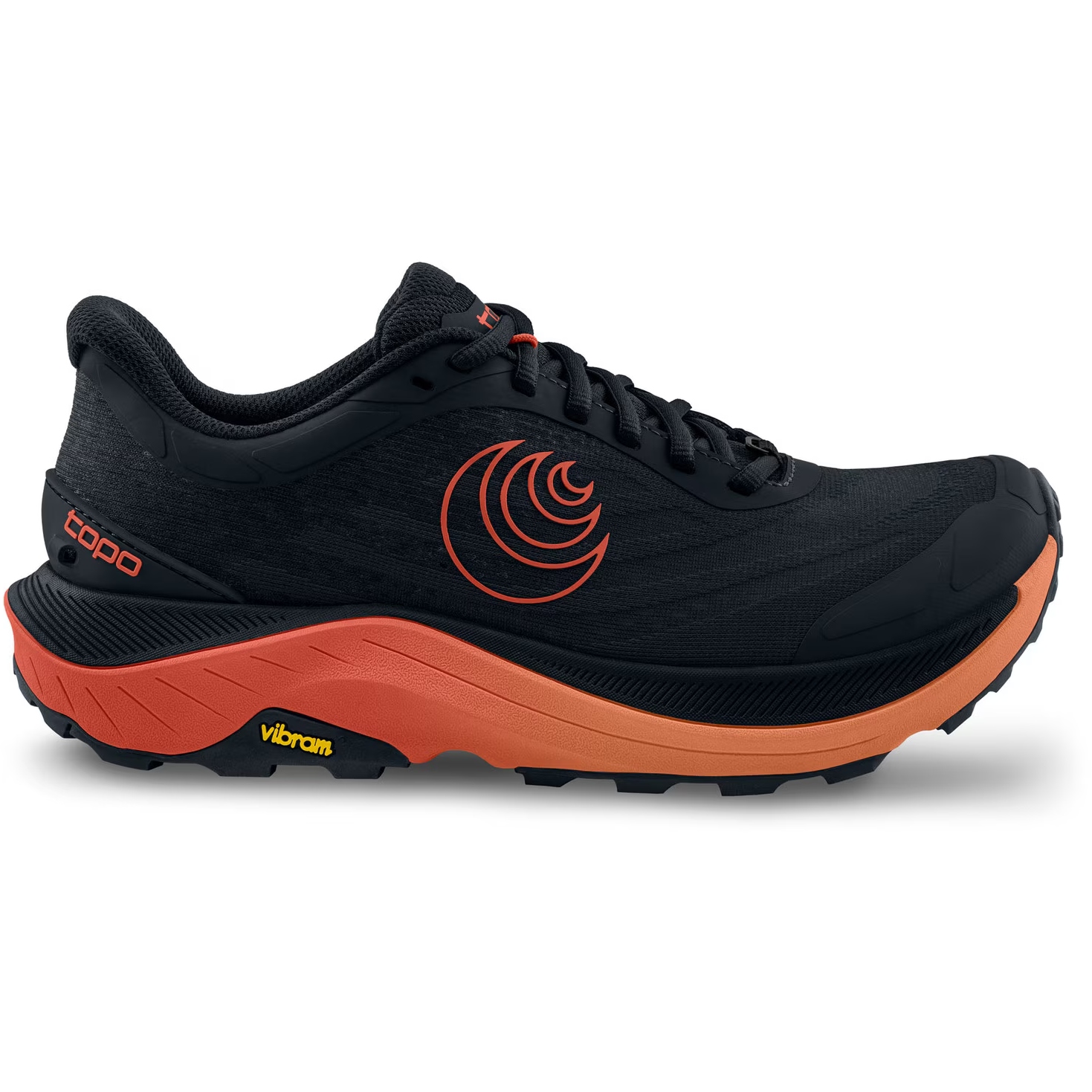
A broad, anatomical trail shoe whose stability comes from fit and platform geometry rather than correction.
As an Amazon Associate, we may earn from qualifying purchases.
Check options on Amazon ↗For longer outings, initial comfort is only the beginning of the comparison. Start with your intended training use and the shoes that have already worked over meaningful distances. Decide whether you are replacing a dependable pair or adding a different ride, because those goals call for different levels of experimentation.
Look for a fit you can assess beyond the first few steps, including toe space, heel hold and persistent upper pressure. Avoid choosing solely from cushioning language or a long-distance label. The related guides connect this shortlist with rotation planning and replacement decisions, helping you consider where a model belongs across your training rather than judging it in isolation.
Choose long-run stability shoes by fit over time, cushioning preference, route demands and a practical trial sequence.
buyer guideA buying approach for plush stability shoes that weighs cushioning, platform control, pace and fit rather than stack height alone.
buyer guidePlan a practical stability-shoe rotation without buying three shoes that do the same job.
answer guideAssess stability-shoe replacement using outsole wear, cushioning changes and upper hold instead of a rigid mileage deadline.