Begin with both feet and the actual setup
Measure or assess both feet and fit the larger one. Wear the socks you plan to use, and bring prescribed orthoses if they will be part of the setup. A different sock thickness or insert can change the shoe’s usable volume considerably.
Do not assume your everyday shoe size transfers exactly to every running model. Start with a plausible size, then evaluate the longest toe, heel hold and forefoot width. Brand conversions and familiar numbers are starting points; the physical fit is the final check.
Check length without confusing it with width
Leave space ahead of the longest toe and enough room for the toes to move. The end should not touch during a forward step or gentle downhill test. At the same time, excess length should not allow your foot to slide around inside the shoe.
If the little-toe side is squeezed while toe length looks correct, compare a wider version or another last. Sizing up can add unwanted length without resolving the underlying shape mismatch. Also check depth over the toes: a low roof can create pressure even in a reasonably wide shoe.
Assess the heel, instep and support contour
Seat the heel and adjust the laces from the forefoot upward. Look for secure hold without digging at the collar or pressure over the instep. A small lacing change can refine fit, but it should not be necessary to cinch every eyelet hard.
Pay attention beneath the arch as you shift forward. Support should remain comfortable in motion. If you feel perched on a raised edge or pushed toward one side, try another shape. The presence of a stability feature does not make an intrusive sensation desirable.
Finish with movement and a comparison
Walk, jog at an ordinary pace and make controlled turns if the fitting environment allows it. A shoe that feels spacious while seated may behave differently under load. Check whether the heel lifts, the forefoot slides or the upper creases into a pressure point.
Compare the best candidate with your current usable shoe. Write down the specific difference rather than simply calling the new pair supportive. A brief trial cannot prove long-run comfort, so useful return terms and an initial short outing are valuable parts of the buying decision.
Catalog models to investigate
Model profiles summarize published information, not personal wear testing.
As an Amazon Associate, we may earn from qualifying purchases.
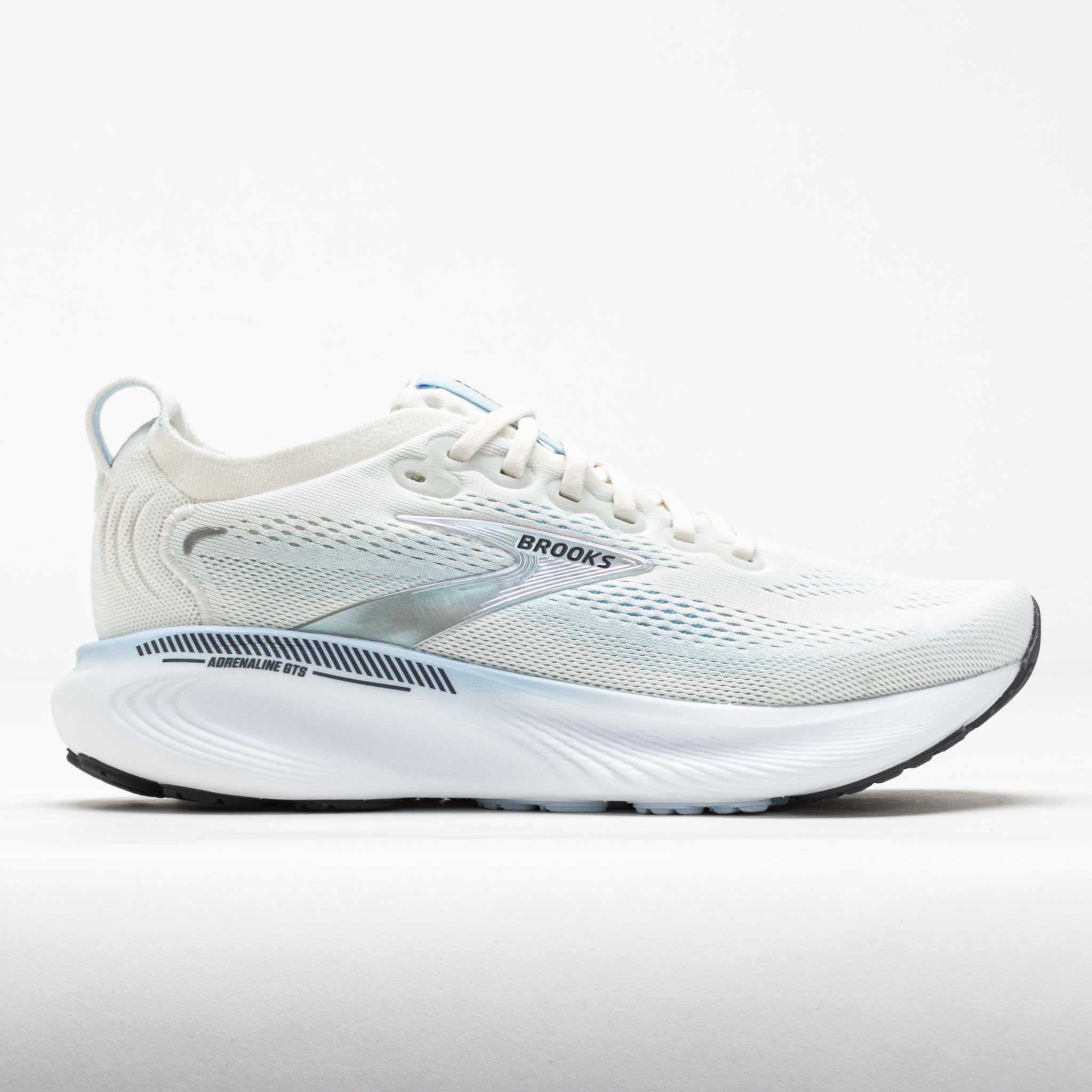
GuideRails support with a familiar daily-trainer feel.
Search Adrenaline GTS 25 on Amazon ↗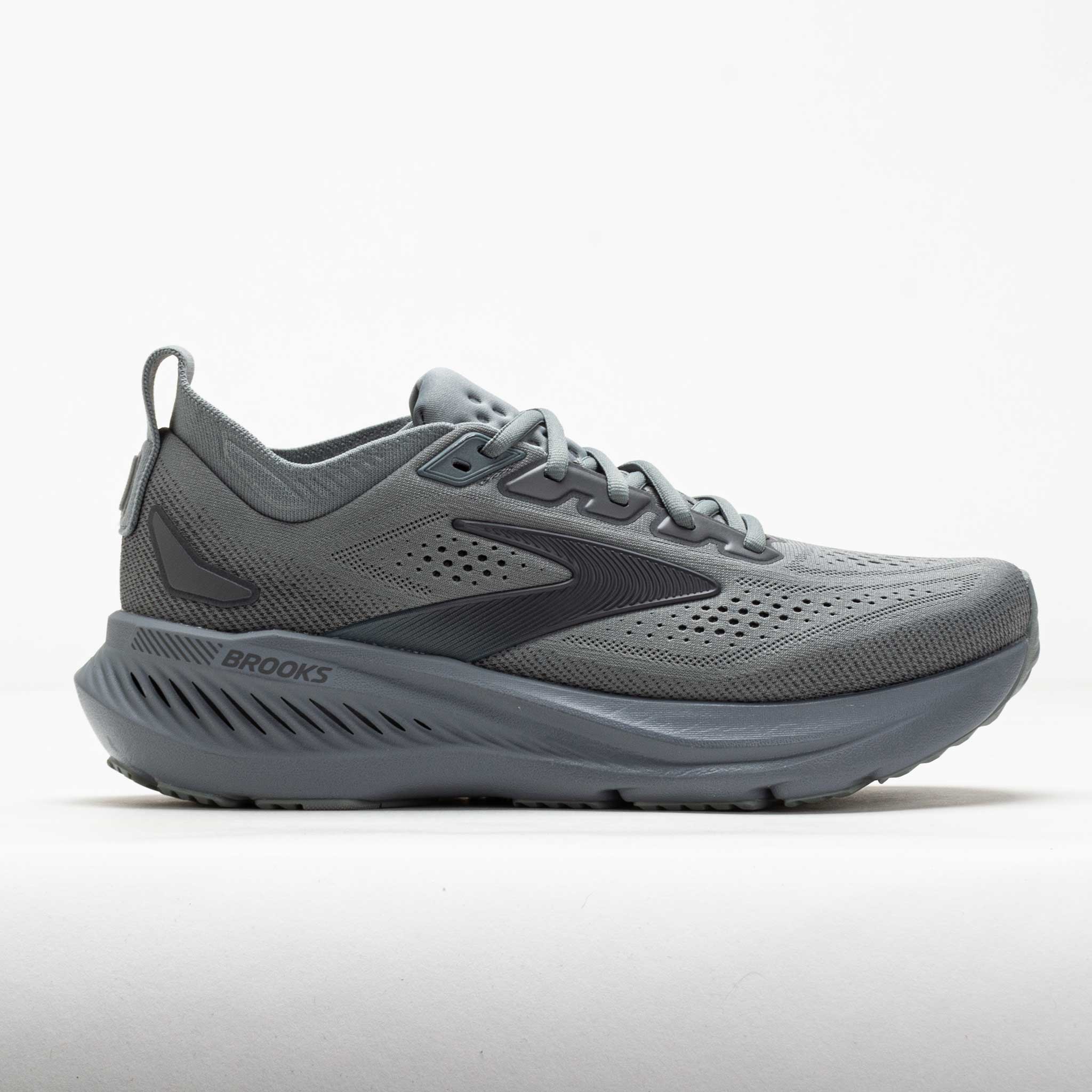
A softer, premium alternative to the Adrenaline.
Search Glycerin GTS 23 on Amazon ↗
Substantial motion management and a broad, durable platform.
Search Beast GTS 24 on Amazon ↗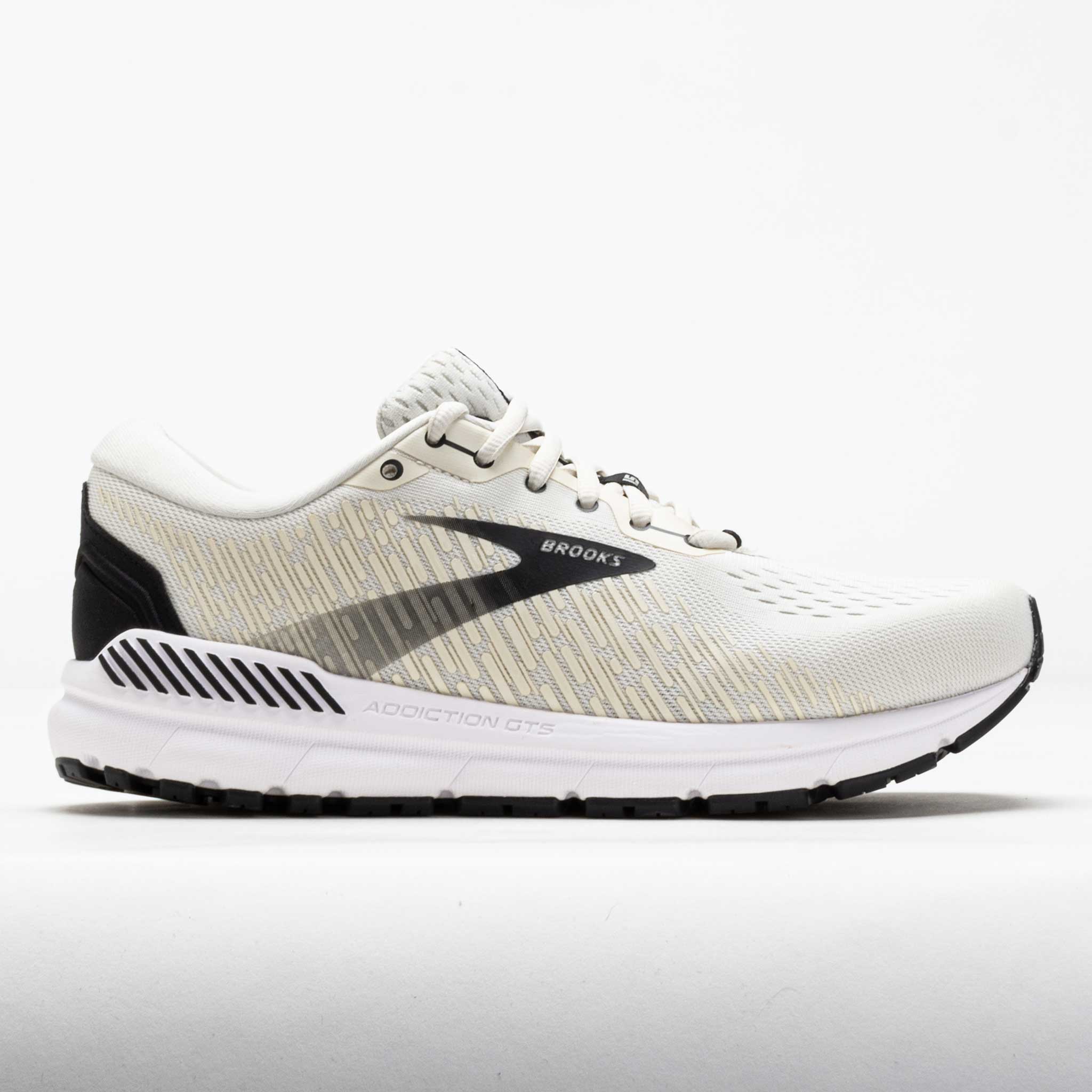
Roomy motion-control geometry for runners who prefer a firm base.
Search Addiction GTS 15 on Amazon ↗
Adaptive guidance paired with high-stack cushioning.
Search GEL-Kayano 32 on Amazon ↗Questions about this topic
Should stability shoes fit tighter than neutral shoes?
No. Guidance comes from construction, not squeezing the foot. Both categories should provide secure hold and comfortable room.
Can a heel-lock lace fix every slipping heel?
No. It can refine a nearly correct fit, but repeated slipping may mean the heel shape or size is wrong. Excessive lace tension creates a different problem.