Define what best means for this purchase
A useful recommendation starts with a job. A shoe for relaxed daily mileage has a different brief from one intended for workouts or a mixed running-and-walking week. Add two fit requirements, such as forefoot room and secure heel hold, then decide what you liked about your previous pair. This gives you a defensible way to reject candidates. A model can be popular among runners who describe themselves as overpronators and still fail your width, comfort or surface requirements. Popularity alone does not make it the right starting point.
Three different reference points
The Brooks Adrenaline GTS 25 offers an example of a daily shoe with GuideRails. The New Balance 860v15 uses Fresh Foam X with Stability Plane, providing a different construction to investigate. Saucony describes Hurricane 25 around maximum cushioning and CenterPath geometry. These are useful comparison roles, not results from a head-to-head wear test. Choose two that answer your actual question: guidance feel, internal fit or a preference for more cushioning. There is little value in ordering all three if the first two already reveal a clear fit mismatch.
Decide what would disqualify a contender
Set rejection criteria before the excitement of a new pair changes your judgment. A big toe rubbing the front, a heel that repeatedly lifts, or a ridge that presses into the midfoot can make an otherwise promising design unsuitable. Avoid using extra length as the only response to a width problem; compare an appropriate width or another shape. A return policy matters here because a clean indoor trial gives you room to reconsider. Check the seller's actual conditions before testing outside, especially for reduced-price or older inventory.
Rank the experience rather than the feature list
After trying the finalists, record an advantage and a drawback for each. For example, one might hold your heel well but feel bulky on turns; another might fit the forefoot better but need a different lacing adjustment. That short record is more useful than adding proprietary technology names together. A successful purchase should meet the original brief without requiring you to excuse an obvious fit problem. If none does, expand the model search instead of assuming your only option is a more restrictive shoe. 'Not these pairs' is a useful outcome of a comparison.
Catalog models to investigate
Model profiles summarize published information, not personal wear testing.
As an Amazon Associate, we may earn from qualifying purchases.
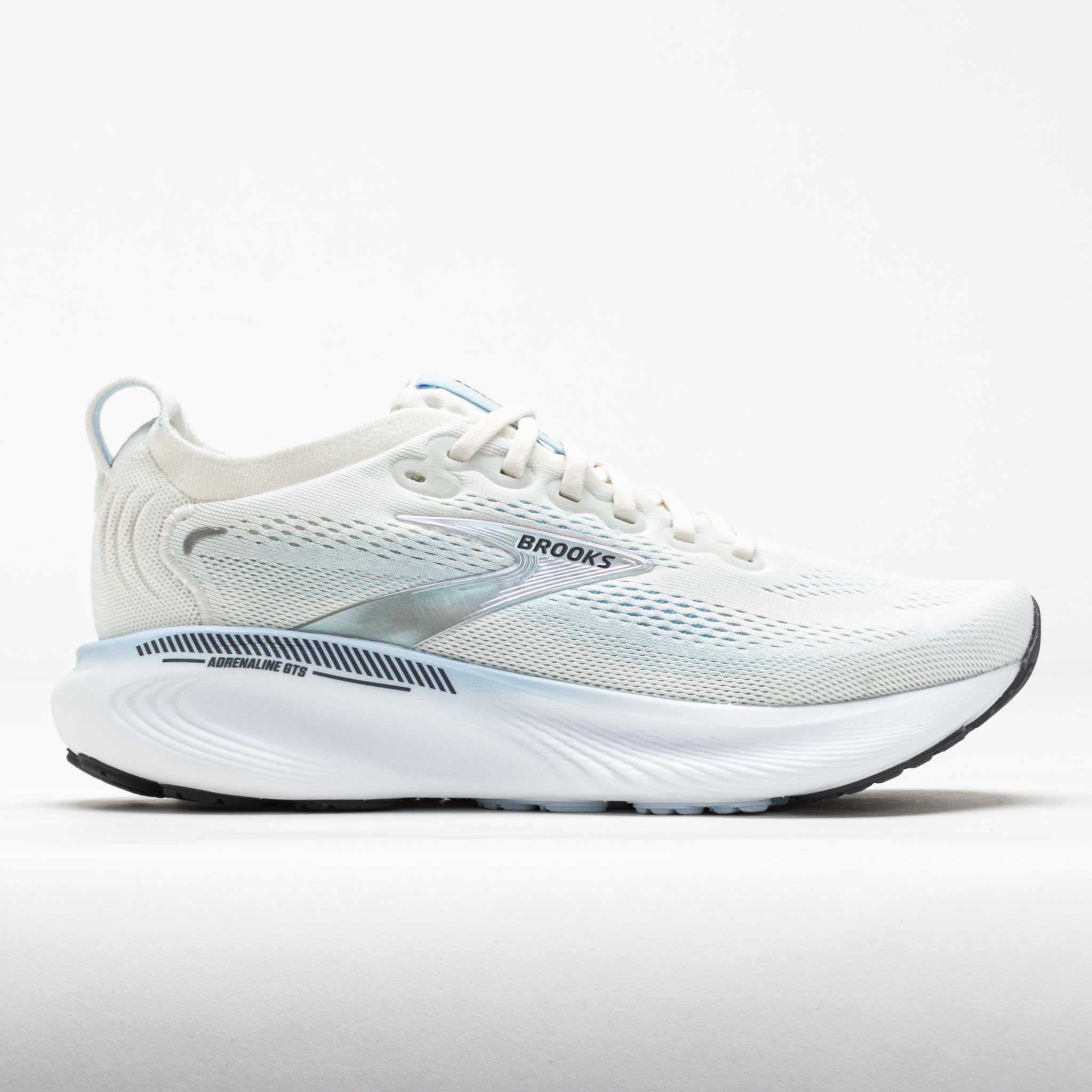
GuideRails support with a familiar daily-trainer feel.
Search Adrenaline GTS 25 on Amazon ↗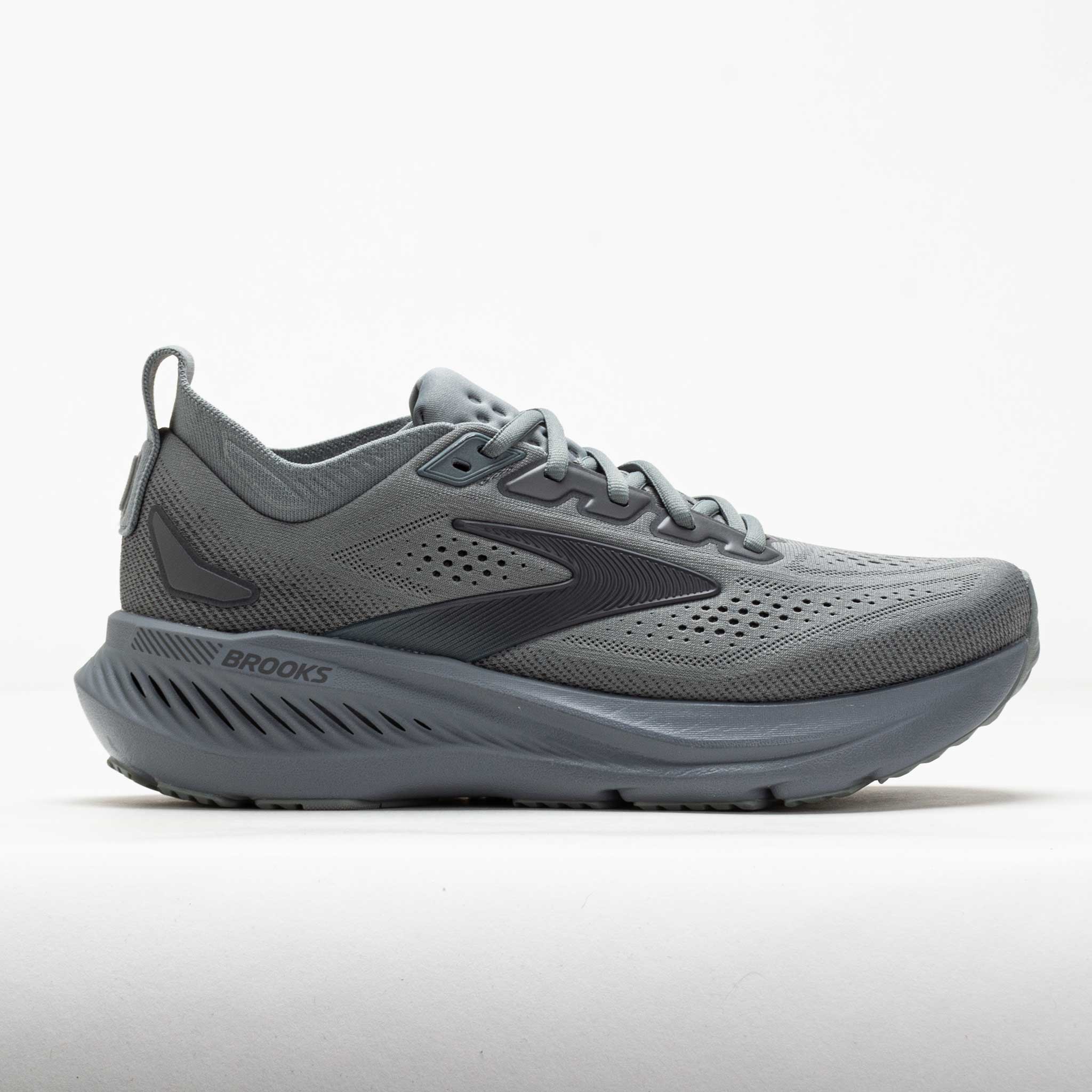
A softer, premium alternative to the Adrenaline.
Search Glycerin GTS 23 on Amazon ↗
Substantial motion management and a broad, durable platform.
Search Beast GTS 24 on Amazon ↗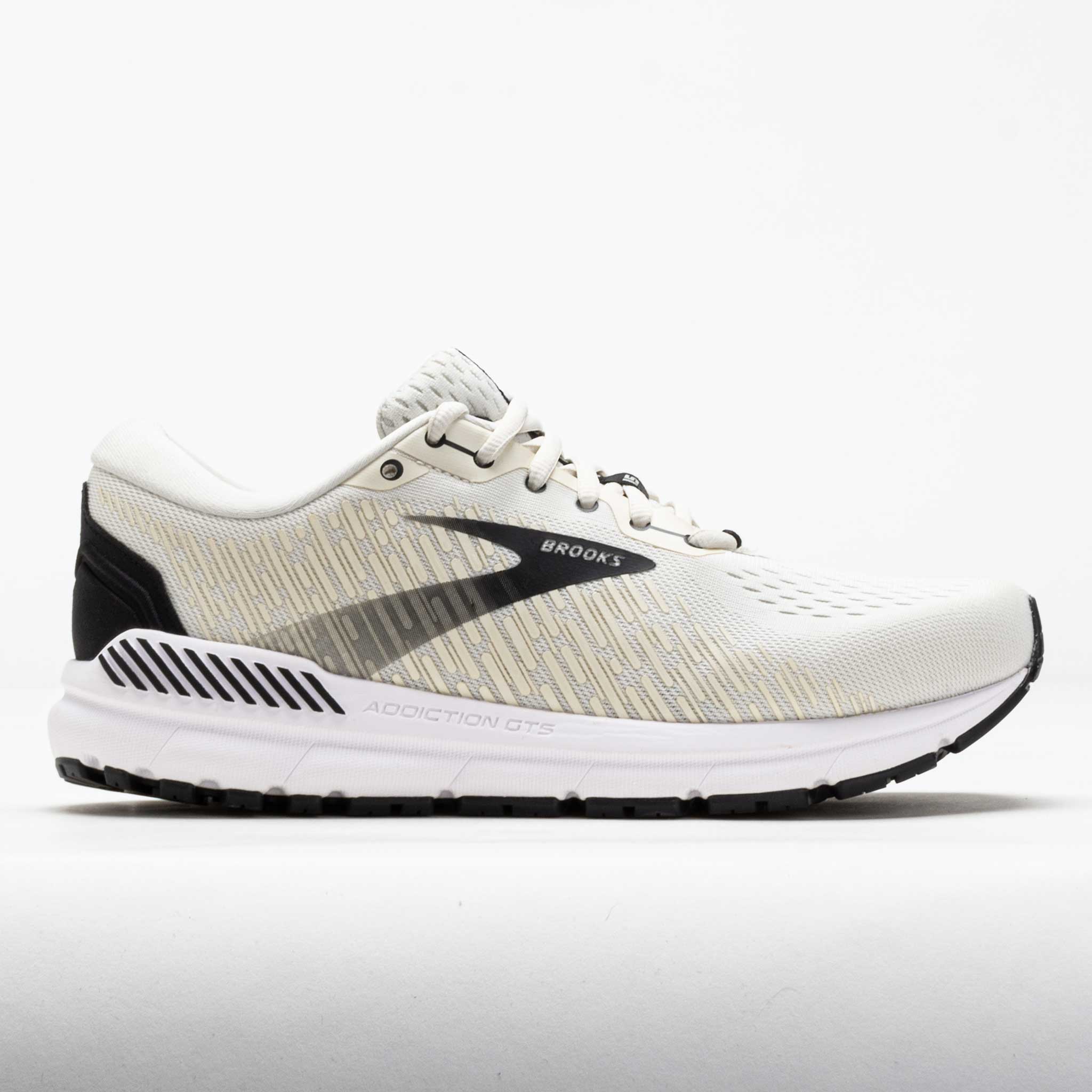
Roomy motion-control geometry for runners who prefer a firm base.
Search Addiction GTS 15 on Amazon ↗
Adaptive guidance paired with high-stack cushioning.
Search GEL-Kayano 32 on Amazon ↗Questions about this topic
Which model is the most supportive?
Manufacturers do not provide a shared support measurement that ranks these shoes for every runner. Compare their construction and fit rather than treating our editorial categories as a clinical scale.
Is a premium shoe automatically a better choice?
No. Higher price may buy different foam, materials or positioning. It does not guarantee a better match to your foot or your daily running.