Keep foot shape and the shopping problem distinct
Flat feet describes arch shape; a pronation discussion concerns movement. Do not use either term as a complete shoe specification. First identify whether the issue is upper pressure, a disliked underfoot contour, difficulty fitting an insert or a problem that has already been assessed professionally. The NHS notes that flat feet commonly cause no problems. That matters because an appearance-based label should not automatically turn a comfortable running setup into something that needs correcting. This guide focuses on the practical purchase when you do want to compare another pair.
Check the middle of the shoe
Many shoppers concentrate on toe-box width and miss pressure through the center. While standing and moving, notice whether the inner side of the upper presses against your foot and whether the underfoot contour feels intrusive. Compare a different width in the same model if possible, then a different shape. A broad outsole does not guarantee a spacious interior. Likewise, a stretchy upper may reduce surface pressure without changing the shape beneath the arch. Describe where the mismatch occurs so a fitter can suggest a meaningful alternative.
Treat orthotic space as a separate requirement
If you use an orthotic, bring it to the fitting and follow the instructions supplied with it. The relevant fit is the foot, device and shoe together. Check that the device sits properly, the heel remains seated and the upper closes without excessive pressure. A shoe that feels roomy with the original sockliner may feel quite different once your insert is installed. Royal National Orthopaedic Hospital specifically advises choosing footwear that is comfortable with the orthotic in place. A wide label alone does not verify this compatibility.
Compare support after resolving obvious fit problems
Once two pairs accommodate your feet, compare their movement and cushioning at the pace you plan to use. Otherwise, a cramped shoe may be rejected for the wrong reason and an oversized one mistaken for a softer support system. Note which pair lets you stop thinking about the midfoot. If both require constant lacing adjustments, expand the shape search rather than forcing a choice. For an online purchase, confirm the exact width code and return terms. The purpose of the shortlist is to find a workable combination, not to prove that every runner with a low arch belongs in the same model.
Catalog models to investigate
Model profiles summarize published information, not personal wear testing.
As an Amazon Associate, we may earn from qualifying purchases.
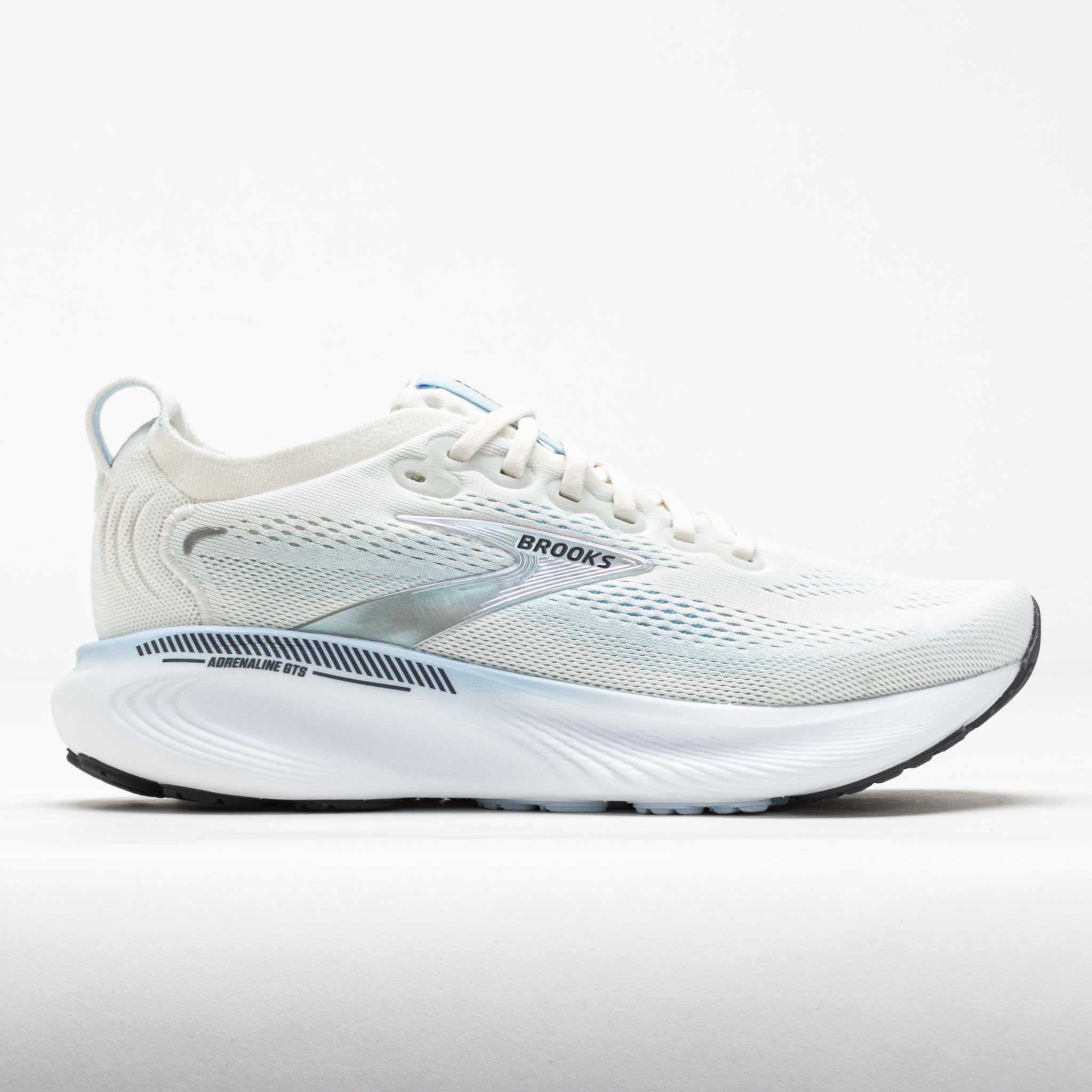
GuideRails support with a familiar daily-trainer feel.
Search Adrenaline GTS 25 on Amazon ↗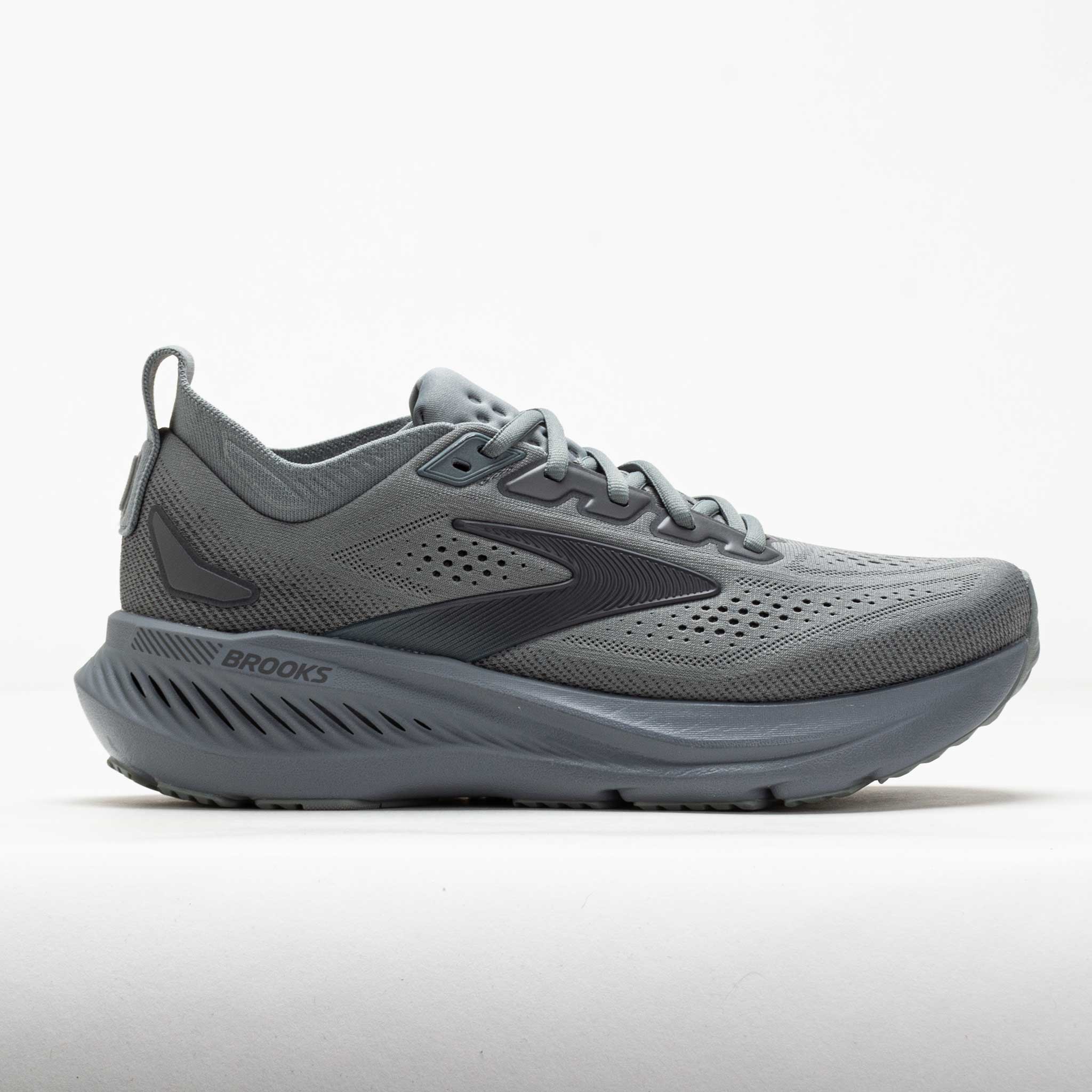
A softer, premium alternative to the Adrenaline.
Search Glycerin GTS 23 on Amazon ↗
Substantial motion management and a broad, durable platform.
Search Beast GTS 24 on Amazon ↗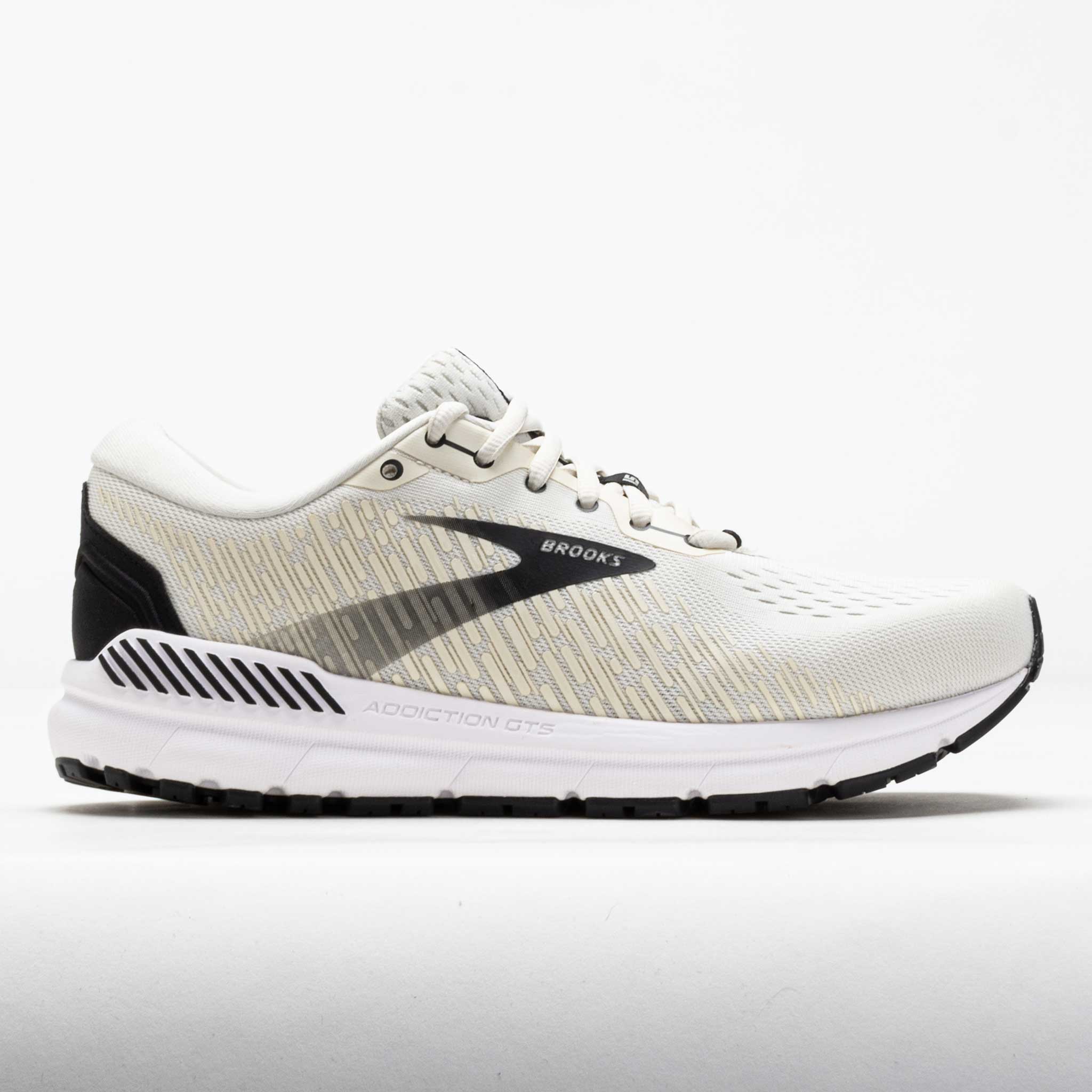
Roomy motion-control geometry for runners who prefer a firm base.
Search Addiction GTS 15 on Amazon ↗
Adaptive guidance paired with high-stack cushioning.
Search GEL-Kayano 32 on Amazon ↗Questions about this topic
Should I choose the highest arch contour available?
No. A prominent contour may or may not feel comfortable. Compare pressure and fit rather than treating arch height inside the shoe as a quality score.
When does a new low arch deserve attention?
The NHS advises assessment for newly developed flat feet or flattening that affects only one foot, as well as painful or function-limiting symptoms. That is a separate question from selecting a shoe.