Translate the concern into a shopping brief
Pronation refers to inward rolling of the foot during movement, as described in the ASICS pronation guide. The practical question is what brought you to the shoe rack. Are you replacing a comfortable pair, finding more room, trying to reduce a wobbly sensation, or responding to pain? Write that down before collecting recommendations. Those are different tasks. A worn-out favorite may call for a replacement trial; a cramped upper calls for a fit comparison. Neither automatically calls for the strongest support category available.
Choose the activity before the support label
Road running, trail running and walking place different demands on the purchase. An otherwise appealing road shoe may have the wrong outsole for the trail you intend to use. A workout shoe may feel unnecessary for mostly easy mileage. Set your principal use, approximate run duration, surfaces and budget first. This reduces the number of meaningful candidates and prevents a pronation keyword from overwhelming the rest of the decision. If one pair must handle several uses, decide which one accounts for most of your time and judge compromises openly.
Build a small but informative comparison
For an everyday road-running brief, an Adrenaline GTS is an example of a model with a clearly identified guidance system. Add a second shoe with a different construction rather than several nearly identical versions of the same pair. A comfortable neutral option can also provide a reference if you have no established preference. The point is to discover differences, not to conduct a home gait diagnosis. Record whether the upper fits, whether the arch feels crowded and whether the transition feels easy. Rank each observation separately before choosing an overall favorite.
Interpret advice without turning it into a rule
A fitter's observations, a clinician's advice and your training history can all add useful context, but a single sales label should not replace that broader picture. Ask what a recommendation is intended to change and how you should judge whether it helps. If you have already been given a treatment plan, bring the relevant footwear requirements with you. For a routine purchase, retain the option of deciding that the new shoe offers no improvement. Returning to a comfortable model is a valid result, especially when the proposed change solves only a problem described by marketing.
Catalog models to investigate
Model profiles summarize published information, not personal wear testing.
As an Amazon Associate, we may earn from qualifying purchases.
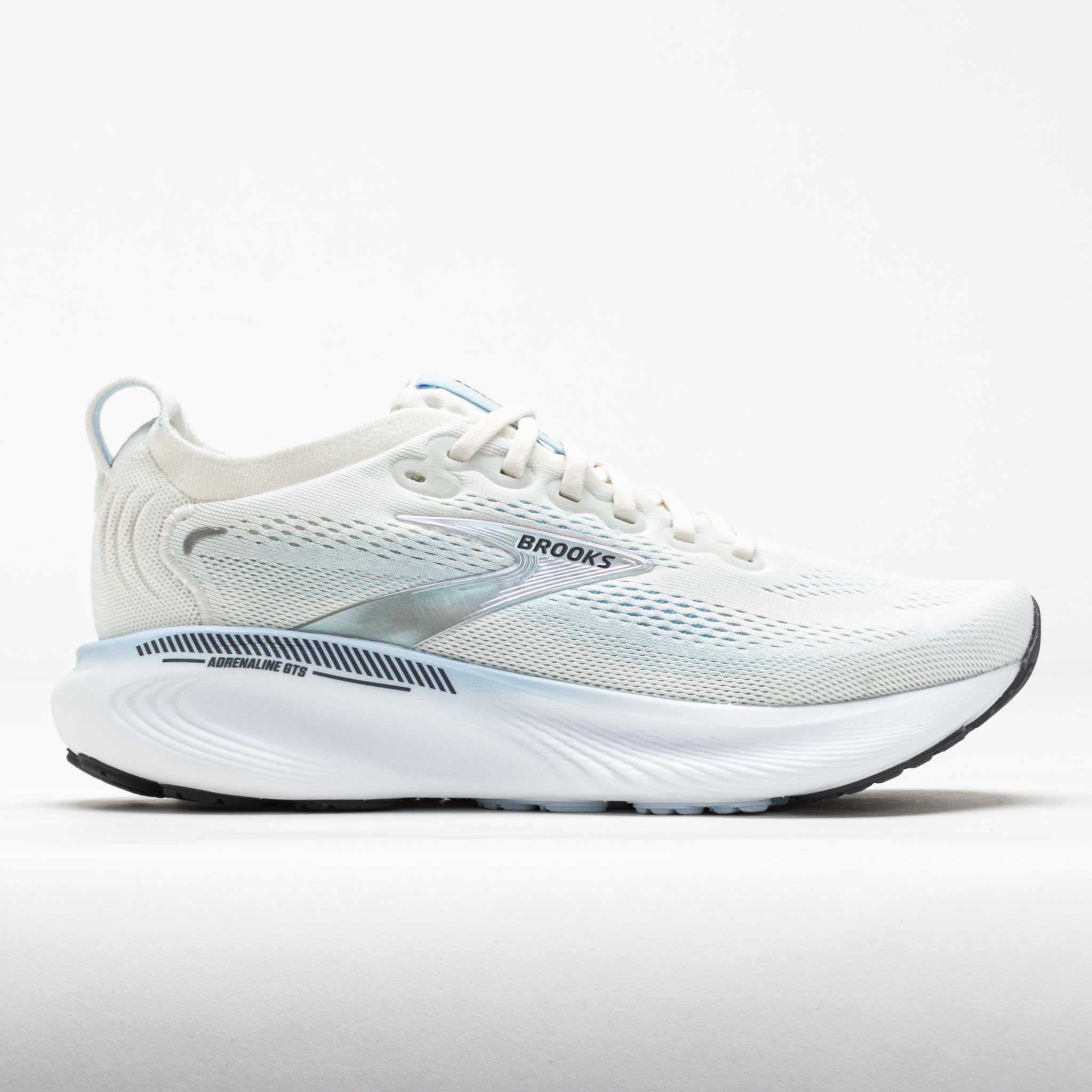
GuideRails support with a familiar daily-trainer feel.
Search Adrenaline GTS 25 on Amazon ↗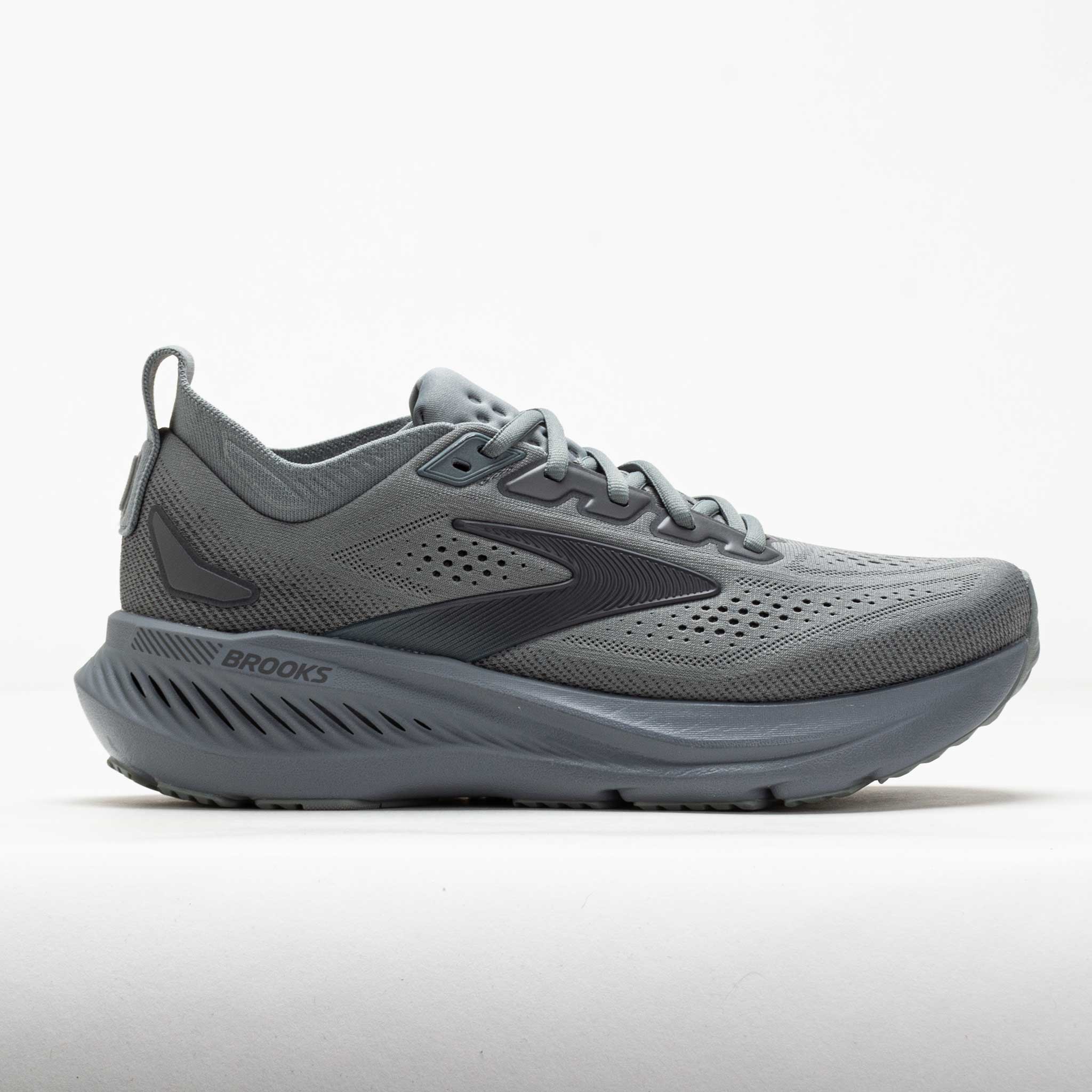
A softer, premium alternative to the Adrenaline.
Search Glycerin GTS 23 on Amazon ↗
Substantial motion management and a broad, durable platform.
Search Beast GTS 24 on Amazon ↗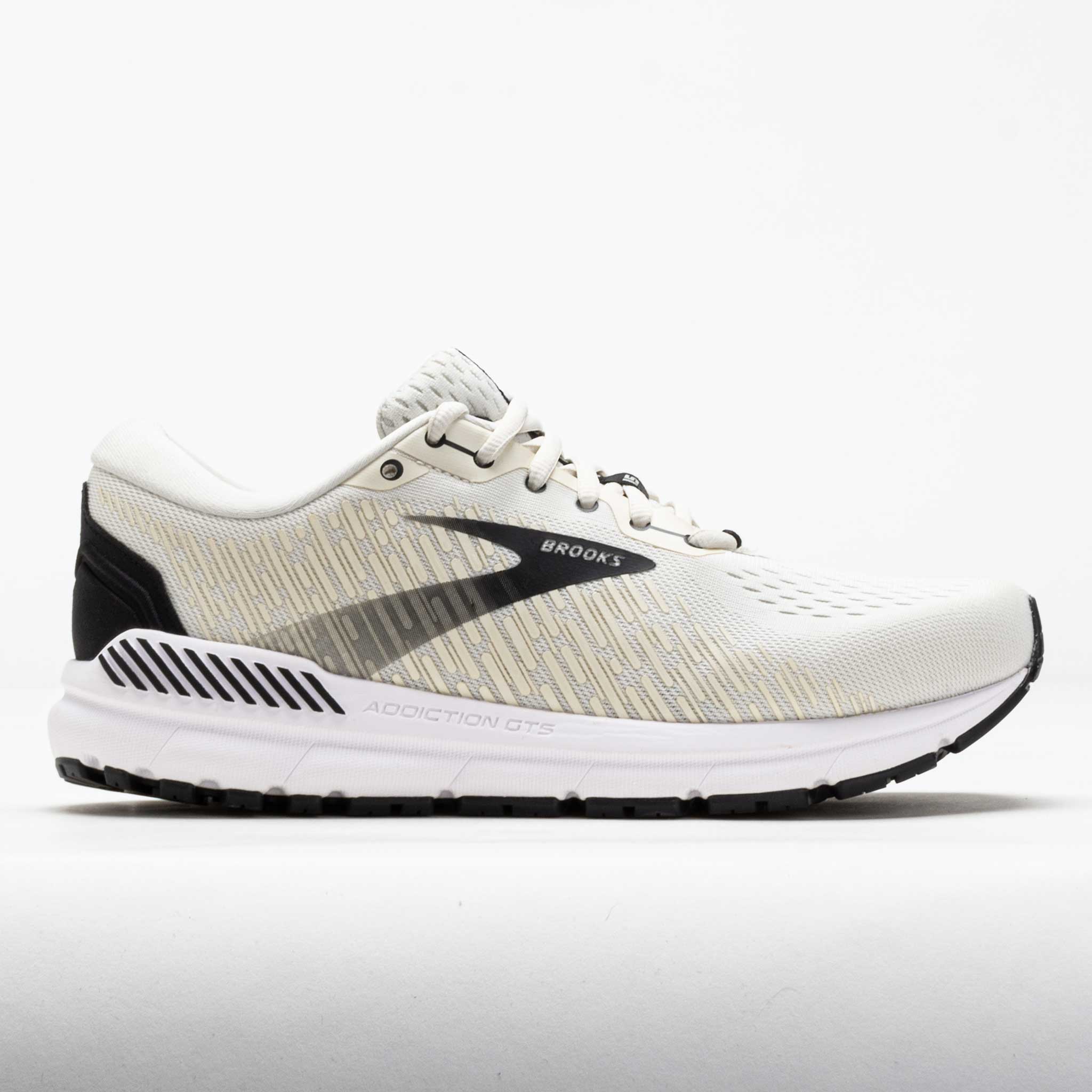
Roomy motion-control geometry for runners who prefer a firm base.
Search Addiction GTS 15 on Amazon ↗
Adaptive guidance paired with high-stack cushioning.
Search GEL-Kayano 32 on Amazon ↗Questions about this topic
Should I buy shoes solely from an outsole wear pattern?
Use wear as a conversation starter, alongside where and how you run. It does not establish which exact model will fit or why symptoms occur.
What information should I bring to a fitting?
Bring your current shoes, usual socks, any prescribed inserts and a short description of your normal running. Explain what you want to improve, including where the existing pair feels uncomfortable.