Describe the ground before the shoe
A smooth gravel path, muddy woodland and rocky hillside should not produce the same automatic recommendation. Describe your usual route in concrete terms: how much pavement, how often it is wet, whether there are sustained descents and how narrow the footing becomes. That description gives you a basis for choosing outsole and upper features. Shopping only for a stability label risks finding a comfortable road-oriented platform with the wrong priorities for the terrain. The more varied the route, the more useful it is to state which compromises you are prepared to accept.
Distinguish foothold from underfoot guidance
Foothold means how securely the upper holds your foot within the shoe. It matters when you change direction or move across a sloping surface. Underfoot guidance describes the midsole and platform features, which are a separate part of the design. During a fitting, notice whether your heel lifts and whether your foot slides forward on a ramp. Tight laces should not be the only thing keeping your toes away from the front. If the upper needs uncomfortable tension, a different shape may be more useful than a more substantial support system.
A road-to-trail example has a specific role
HOKA describes Stinson 7 as a road-and-trail option with multidirectional lugs and an H-Frame. That is an example of a trail-oriented design that explicitly includes guidance. It does not establish that Stinson is the best choice for every technical route. A shoe that works well on a mixed paved-and-gravel outing may feel less suitable for precise foot placement on narrow ground. Compare the intended surface with your route, and avoid interpreting the stability category as a promise against ankle injuries or slips.
Inspect the outsole and test the complete package
Look at the lug pattern, the spaces between lugs and where rubber covers the outsole. Use the manufacturer's terrain description to understand the intended role; appearance alone cannot establish wet-surface grip. If a shop has a testing ramp, use it at a sensible walking pace to check internal movement. A clean indoor trial cannot fully reproduce your trail, so understand the seller's return conditions before taking the pair outside. The purchase should balance a comfortable fit with an appropriate surface design. Do not sacrifice the outsole requirement simply because a road model feels familiar under your arch.
Catalog models to investigate
Model profiles summarize published information, not personal wear testing.
As an Amazon Associate, we may earn from qualifying purchases.

A trail-specific platform that prioritizes torsional control, protection and predictable landings.
Search Cascadia 19 on Amazon ↗
H-Frame geometry and a very broad base create a stable road-to-trail experience.
Search Stinson 7 on Amazon ↗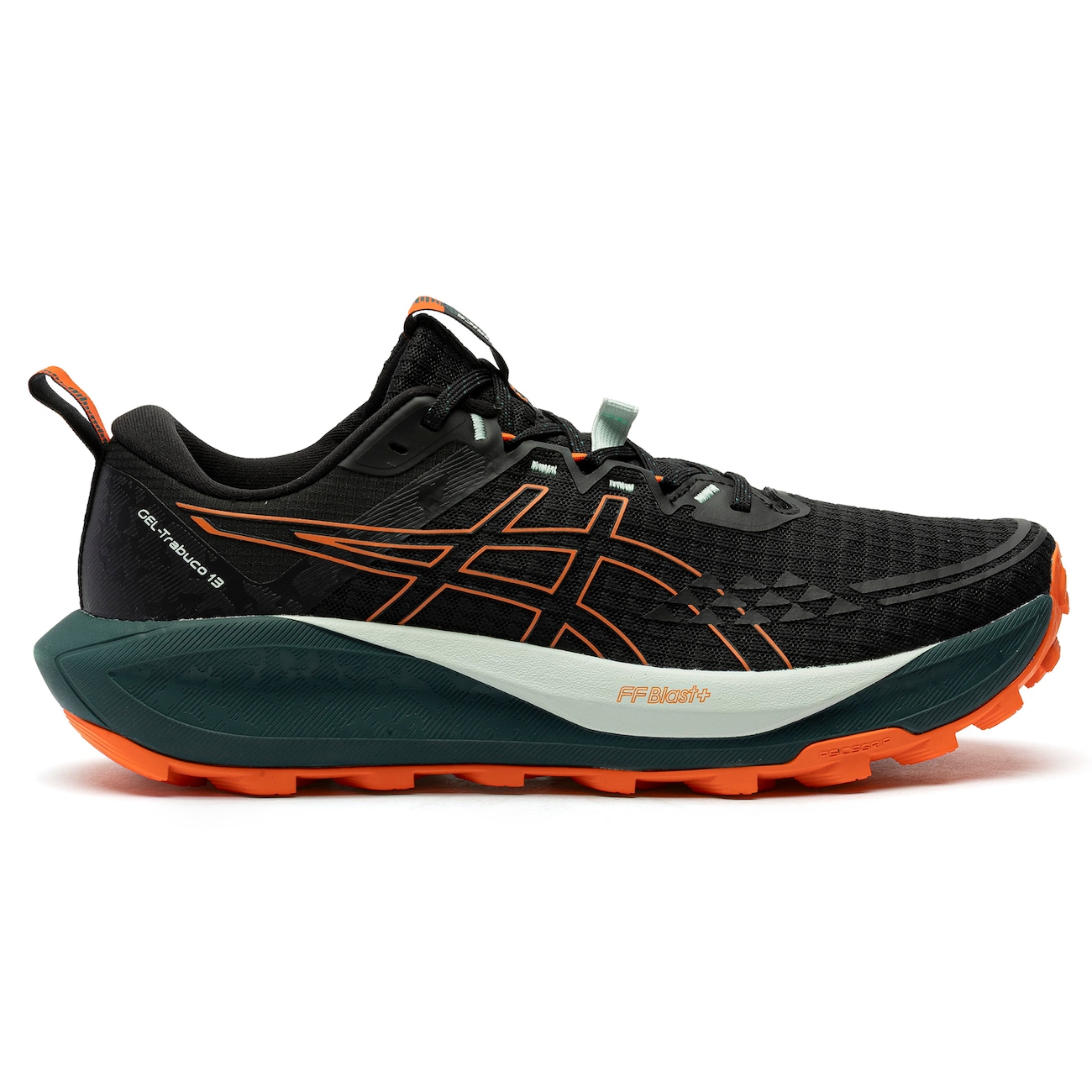
A protected trail platform with adaptive stability and aggressive off-road traction.
Search GEL-Trabuco 13 on Amazon ↗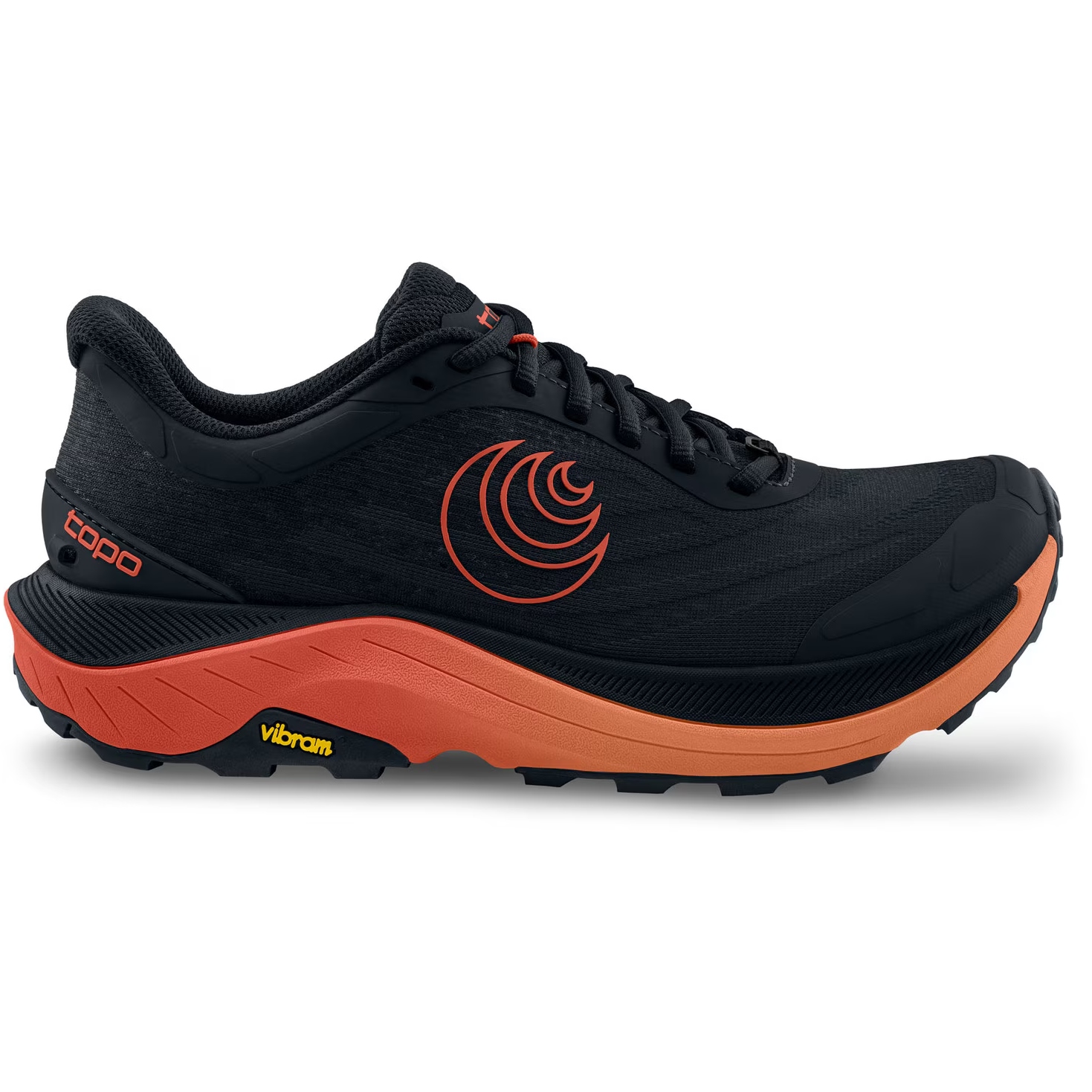
A broad, anatomical trail shoe whose stability comes from fit and platform geometry rather than correction.
Search Ultraventure 4 on Amazon ↗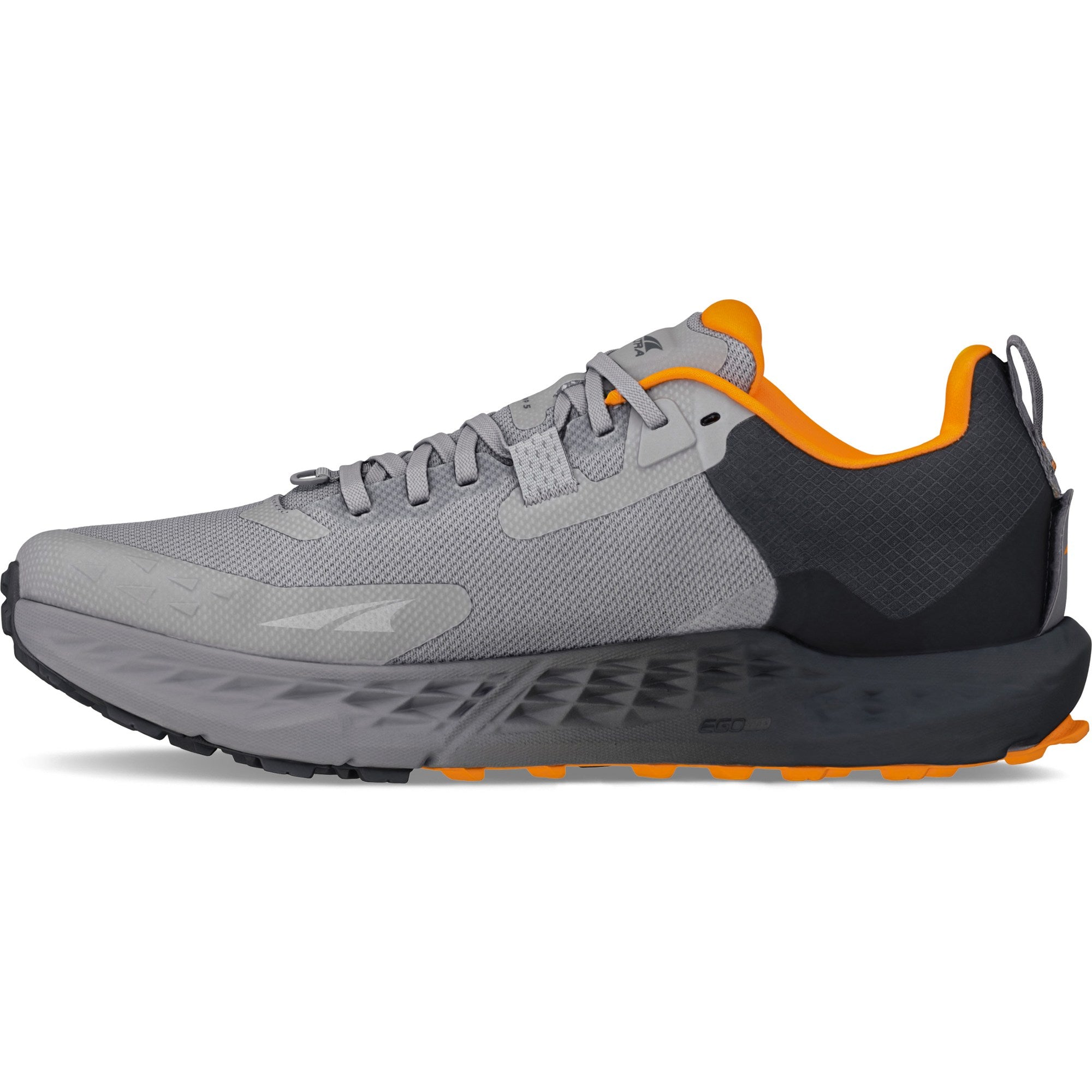
A zero-drop trail platform with a broad footprint and secure Vibram traction.
Search Timp 5 on Amazon ↗Questions about this topic
Do trail shoes need a medial post?
Not necessarily. Trail models use many combinations of upper structure, sole geometry and traction. Evaluate the complete design for the route instead of requiring one road-shoe feature.
Is the widest platform always best off-road?
No. Consider how its size feels on your terrain and during foot placement. Broadness is one design characteristic, not a universal trail ranking.