Define the range before filtering
Low drop has no single universally enforced cutoff. A useful shopping range is zero to six millimeters, with zero drop as its own subset. Decide whether you want a truly level platform or simply something lower than your current shoes. That prevents a vague label from driving the purchase.
Use the manufacturer’s specification for the exact version and audience you plan to buy. Product families change. An older review, retailer filter or previous-generation memory can put a shoe in the wrong category even when the model name looks familiar.
Two relevant options and one important exclusion
HOKA lists the Gaviota 6 at six millimeters, and Saucony lists the Hurricane 25 at six millimeters. These provide examples of guided shoes within this guide’s range. Their cushioning systems and upper constructions differ, so matching drop does not make them interchangeable.
The Arahi 8 is an important exception to outdated HOKA assumptions: its official drop is eight millimeters. Do not buy it expecting the five-millimeter geometry associated with some earlier information. The correct shortlist depends on the actual shoe, not on a brand’s historical reputation for low offsets.
Rocker geometry can change the impression
A rockered sole curves upward to influence how the shoe rolls forward. Heel-to-toe drop describes a height difference. A shoe can combine low drop with a pronounced rocker, or have a flatter-feeling transition despite a similar measurement. These variables should be assessed independently.
Walk and jog at your ordinary pace. Notice whether the shoe starts rolling when you want it to, whether you feel balanced while standing and whether turns feel controlled. A numerical drop target is useful for narrowing options, but it cannot replace an on-foot comparison.
Avoid changing everything at once
When moving to a substantially different geometry, keep initial use modest and your familiar shoes available. Changing drop, support, fit and training volume simultaneously makes an uncomfortable response hard to interpret. A short easy trial is more informative than immediately committing to a long run.
If the goal is comfort, evaluate comfort directly rather than assuming lower is better. Persistent pain requires reassessment. There is no requirement to reach zero drop eventually, and a shoe outside this guide’s range may still be the best match for your normal running.
Catalog models to investigate
Model profiles summarize published information, not personal wear testing.
As an Amazon Associate, we may earn from qualifying purchases.
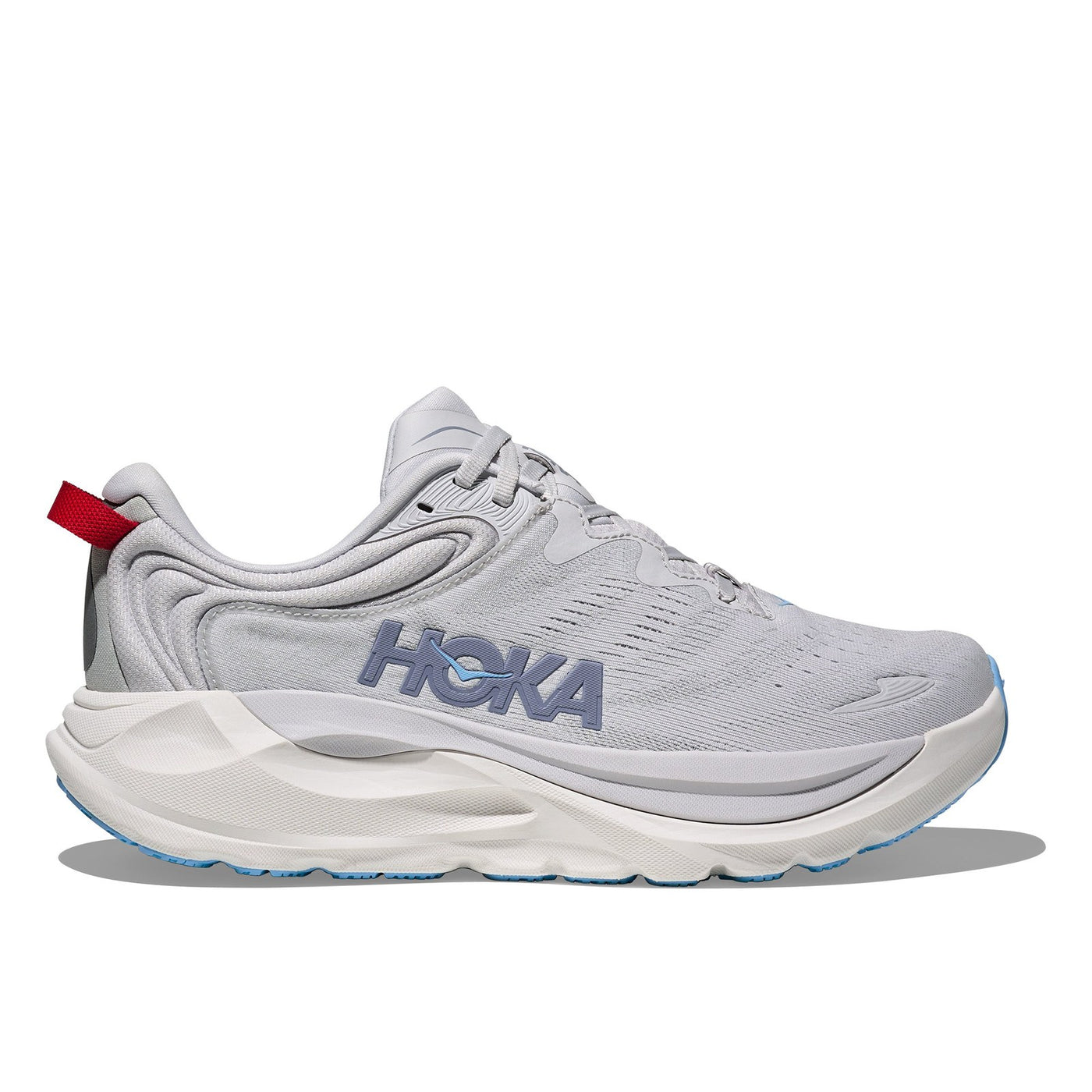
A broad H-Frame platform for runners wanting more shoe underfoot.
Search Gaviota 6 on Amazon ↗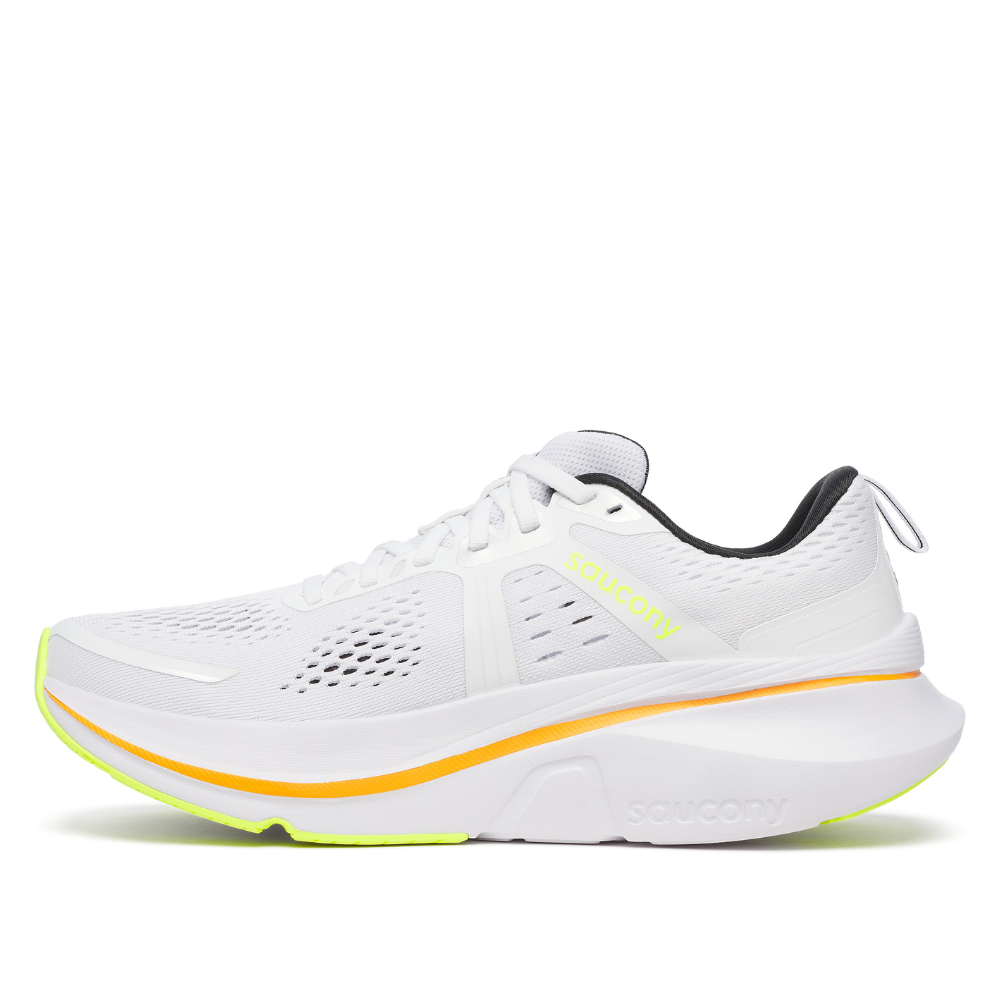
CenterPath geometry supplies subtle guidance without a traditional post.
Search Guide 18 on Amazon ↗
Dual-layer cushioning on a broad, supportive base.
Search Hurricane 25 on Amazon ↗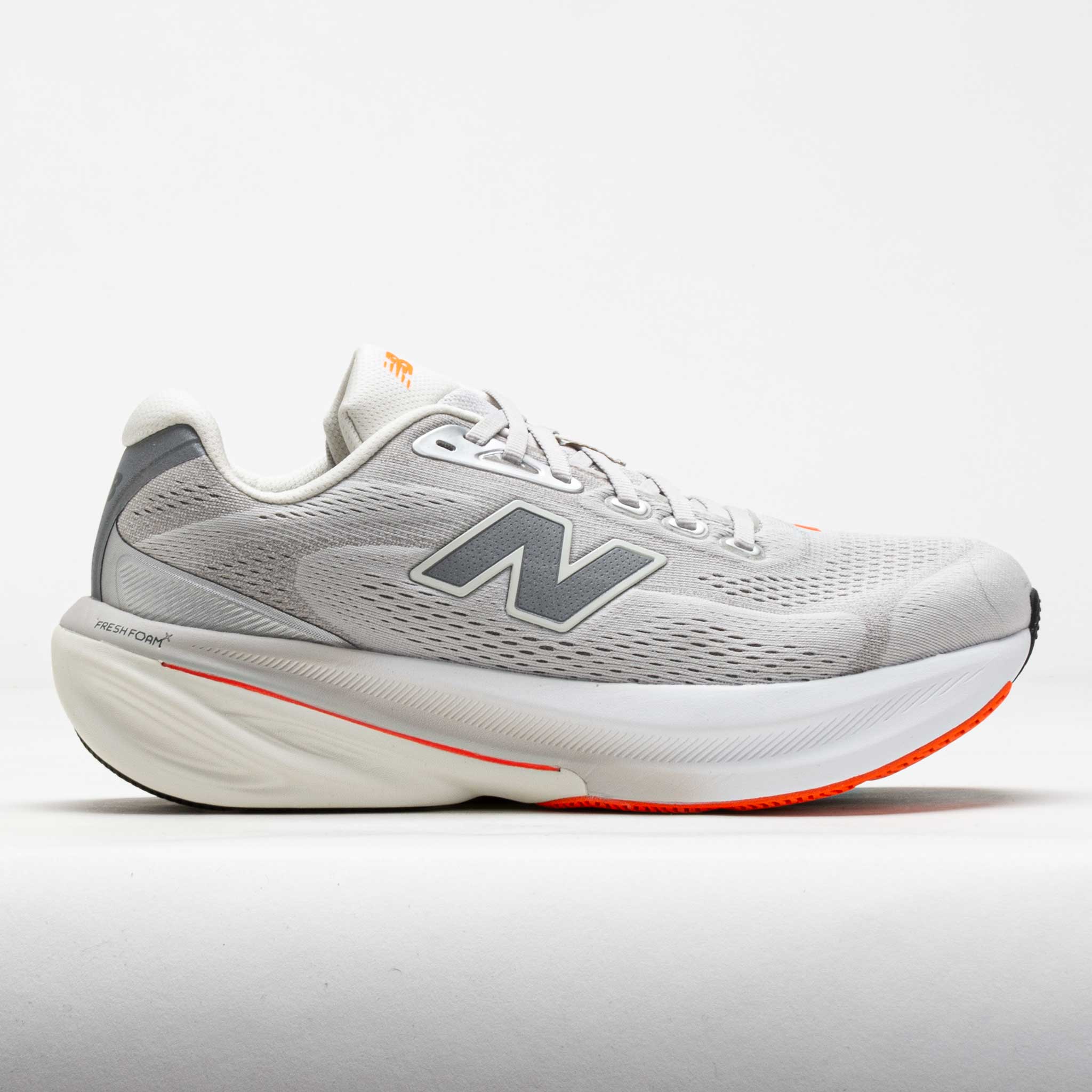
Fresh Foam comfort with dependable everyday guidance.
Search Fresh Foam X 860v15 on Amazon ↗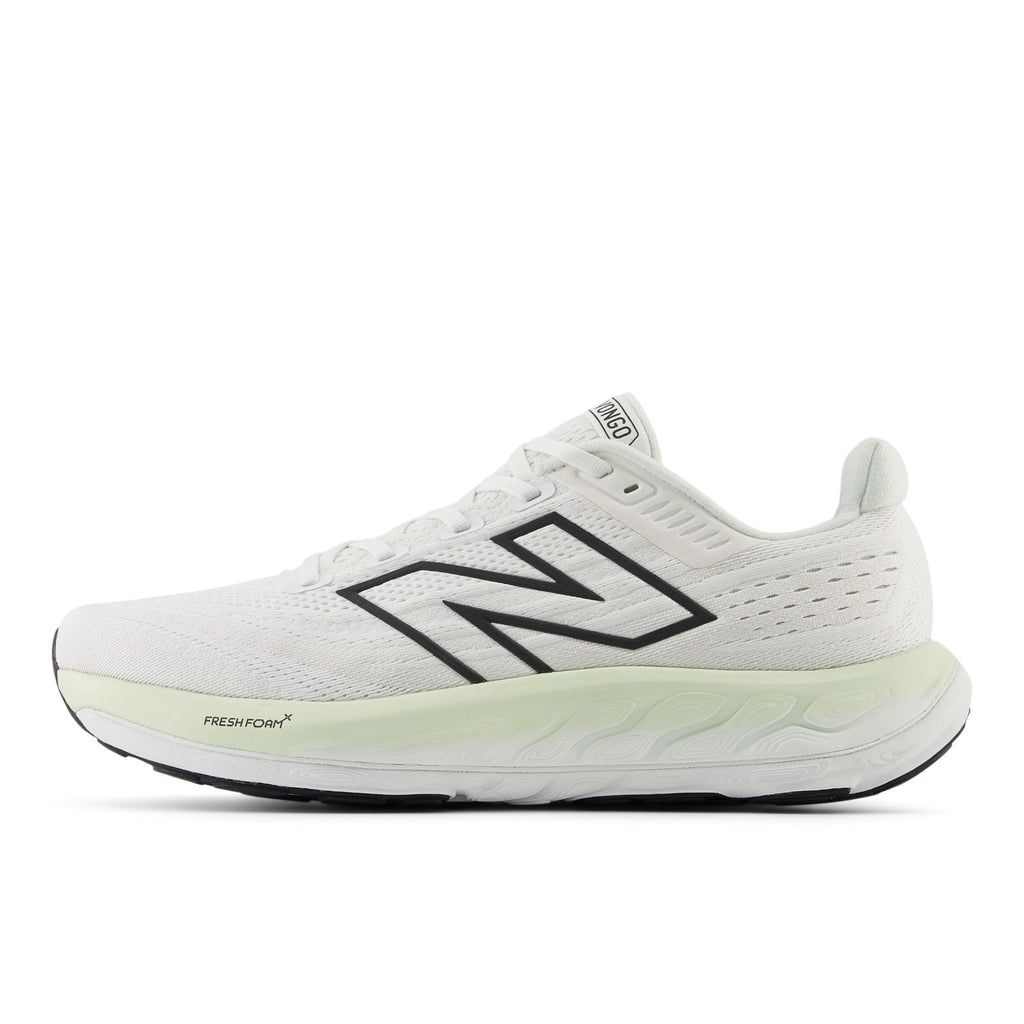
A Stability Plane adds support without a hard medial post.
Search Fresh Foam X Vongo v6 on Amazon ↗Questions about this topic
Is six millimeters low enough?
That depends on your purpose. Six millimeters fits this guide’s working range, but it is not a threshold that delivers a particular health or performance benefit.
Does low drop mean weak support?
No. Guidance and heel-to-toe height are separate features. A shoe can have a low offset and substantial structural support.