Work out where you need more space
A wide forefoot, a high instep and a broad heel are separate fit issues. Identify the exact place your current shoe squeezes before ordering a larger size. Pressure at the little toe suggests a different problem from tight laces over the top of the foot.
Check both feet while standing in running socks. Fit the larger foot, then assess whether the smaller one remains secure. Adding length to solve a width problem can leave your foot sliding forward and the shoe bending in an uncomfortable place.
Compare width versions of the same model
Try the standard and wide versions at the same length when possible. This isolates the effect of width better than comparing two unrelated shoes. Watch whether the upper relaxes across the forefoot and whether the heel becomes too loose.
New Balance offers width choices in its 860 family, and Brooks provides width options for the Adrenaline GTS 25. Availability depends on the exact size, version and market. Treat these as candidates to fit, not a universal ranking: two wide versions can distribute their extra space differently.
Make sure your foot sits over the platform
An accommodating mesh upper can hide an underlying mismatch. While standing, notice whether the sides of your foot feel perched on a midsole edge. Room above the foot is useful, but it does not replace enough usable space underneath it.
Move through a slow forward step and a gentle turn. The upper should keep your foot centered without needing excessive lace tension. If loosening the forefoot solves pinching but creates sliding, the last shape may be wrong even when the box says wide.
Evaluate swelling, socks and inserts together
Use the socks you actually run in, and bring prescribed orthoses to the fitting. An insert can occupy both depth and width, changing how the heel sits in the collar. Assess the complete setup rather than assuming an empty shoe has enough room.
A short indoor trial preserves your ability to compare alternatives under the retailer’s return terms. Note any pressure at the big-toe joint or fifth toe, and check that your toes can move. Do not rely on mesh stretching to rescue a pair that is already squeezing the foot.
Catalog models to investigate
Model profiles summarize published information, not personal wear testing.
As an Amazon Associate, we may earn from qualifying purchases.

Substantial motion management and a broad, durable platform.
Search Beast GTS 24 on Amazon ↗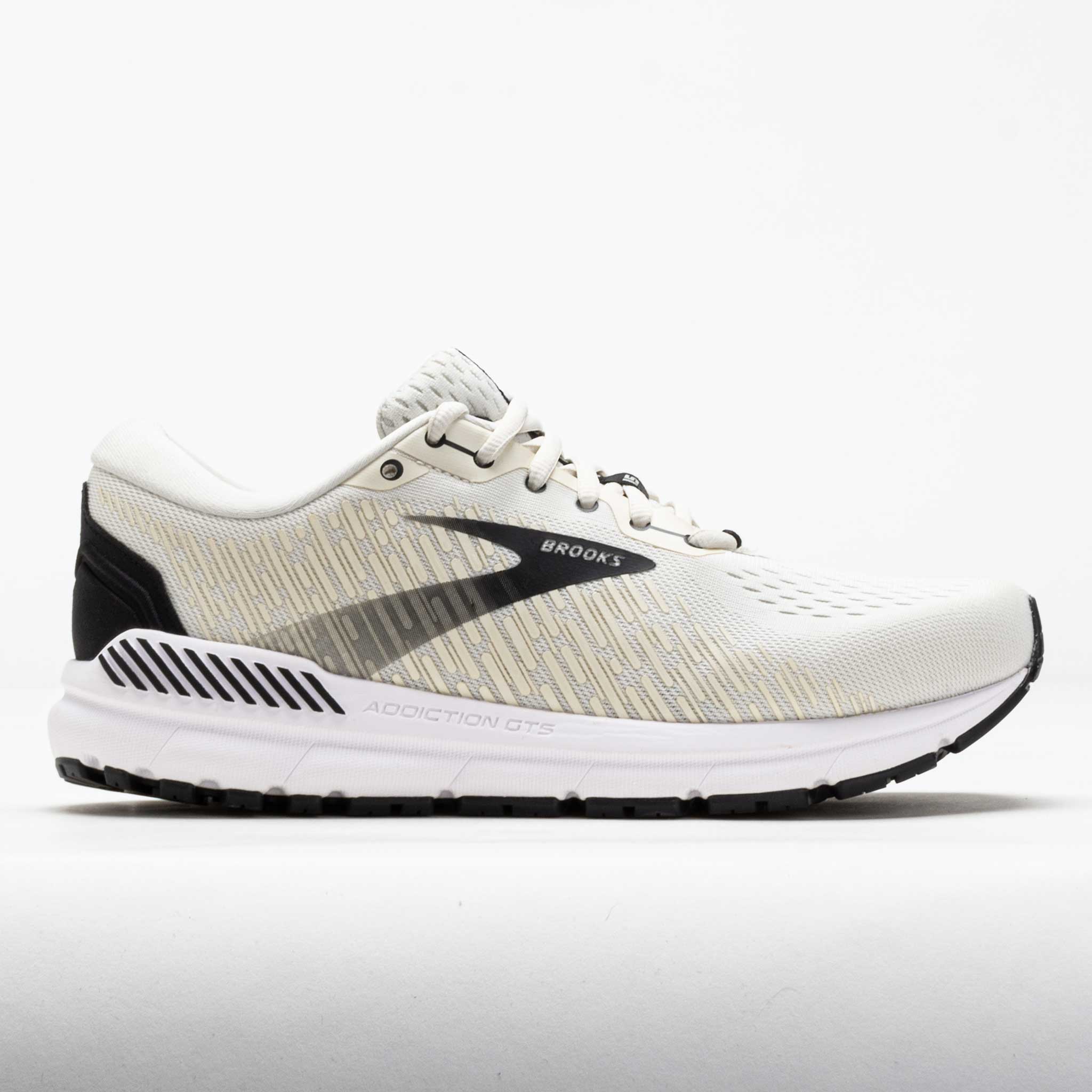
Roomy motion-control geometry for runners who prefer a firm base.
Search Addiction GTS 15 on Amazon ↗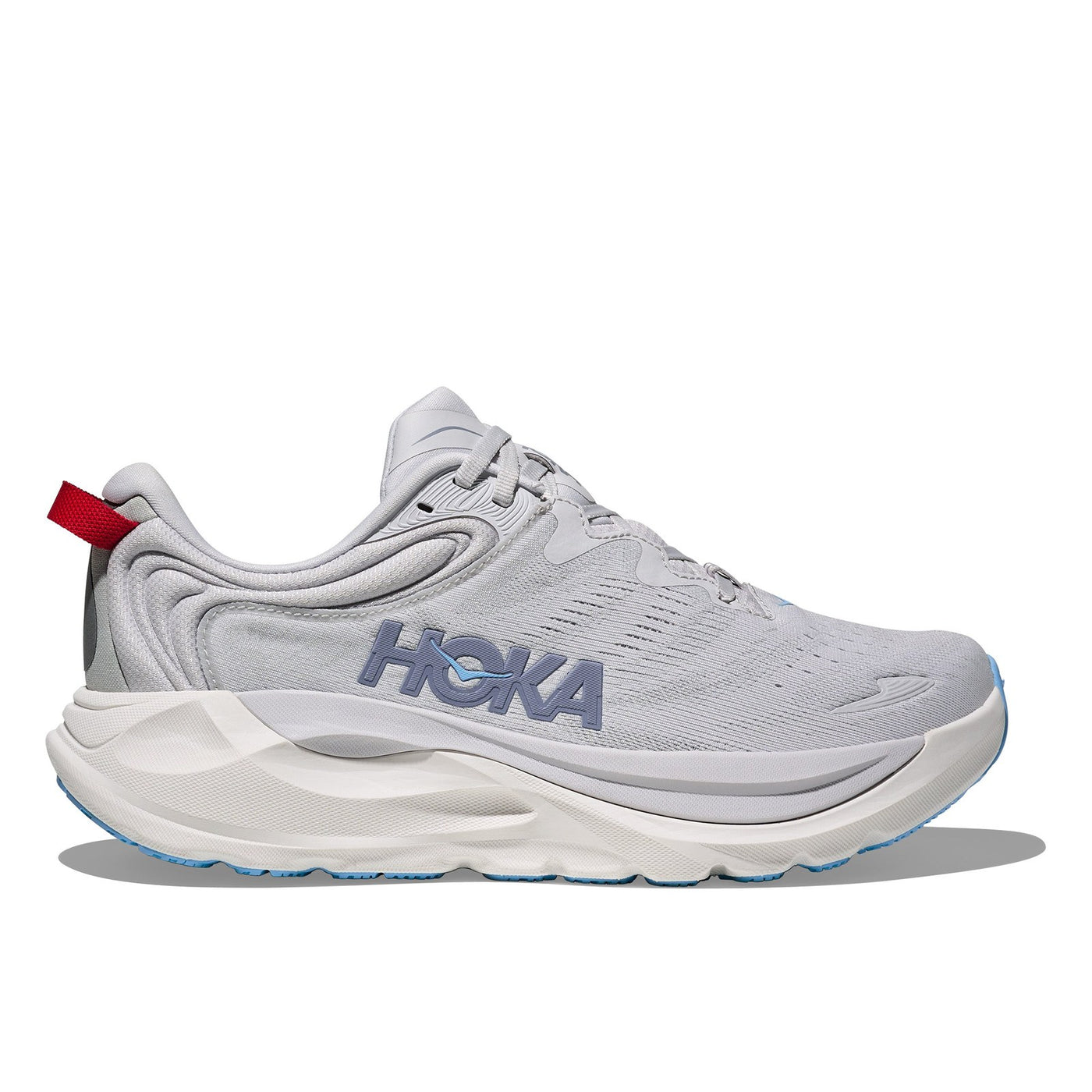
A broad H-Frame platform for runners wanting more shoe underfoot.
Search Gaviota 6 on Amazon ↗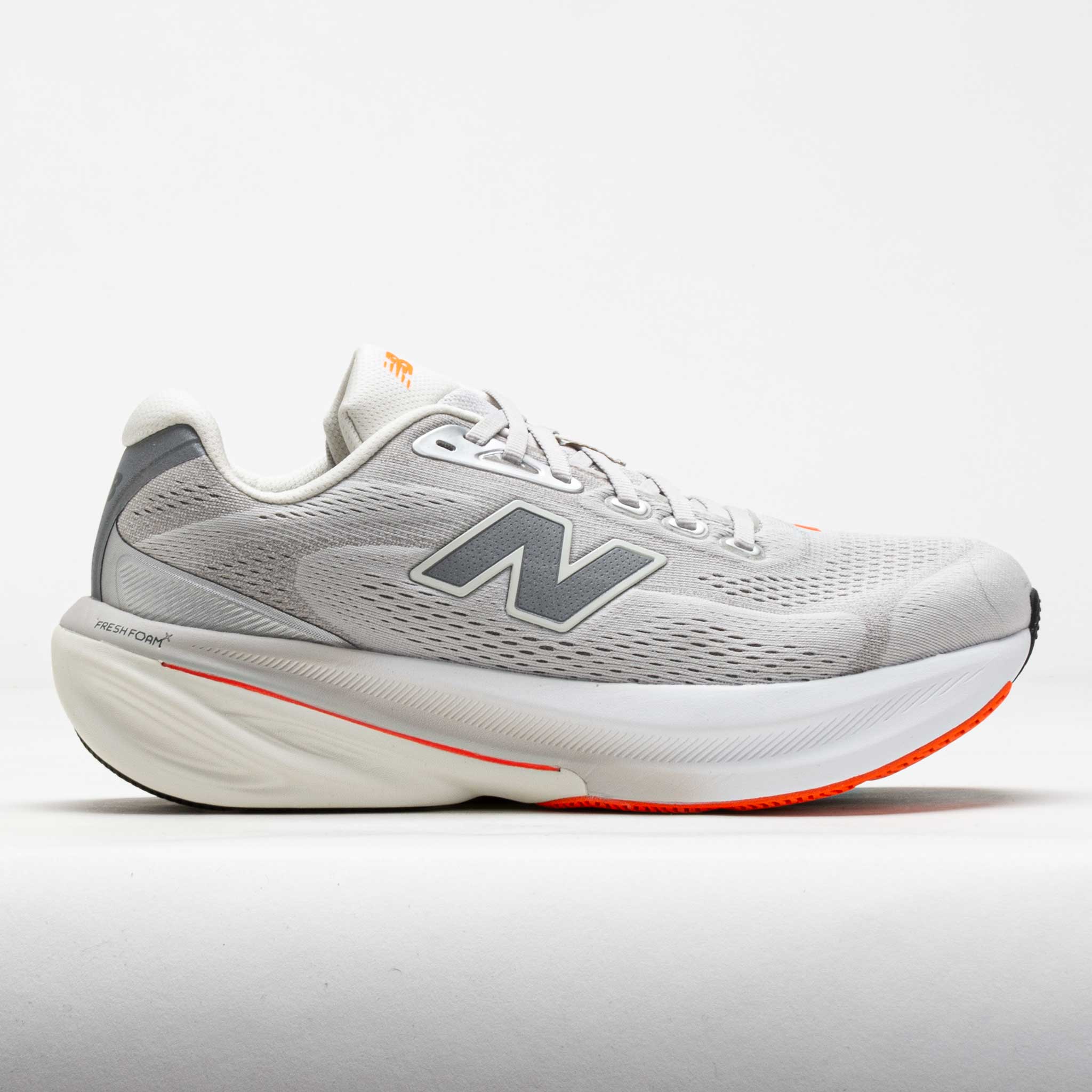
Fresh Foam comfort with dependable everyday guidance.
Search Fresh Foam X 860v15 on Amazon ↗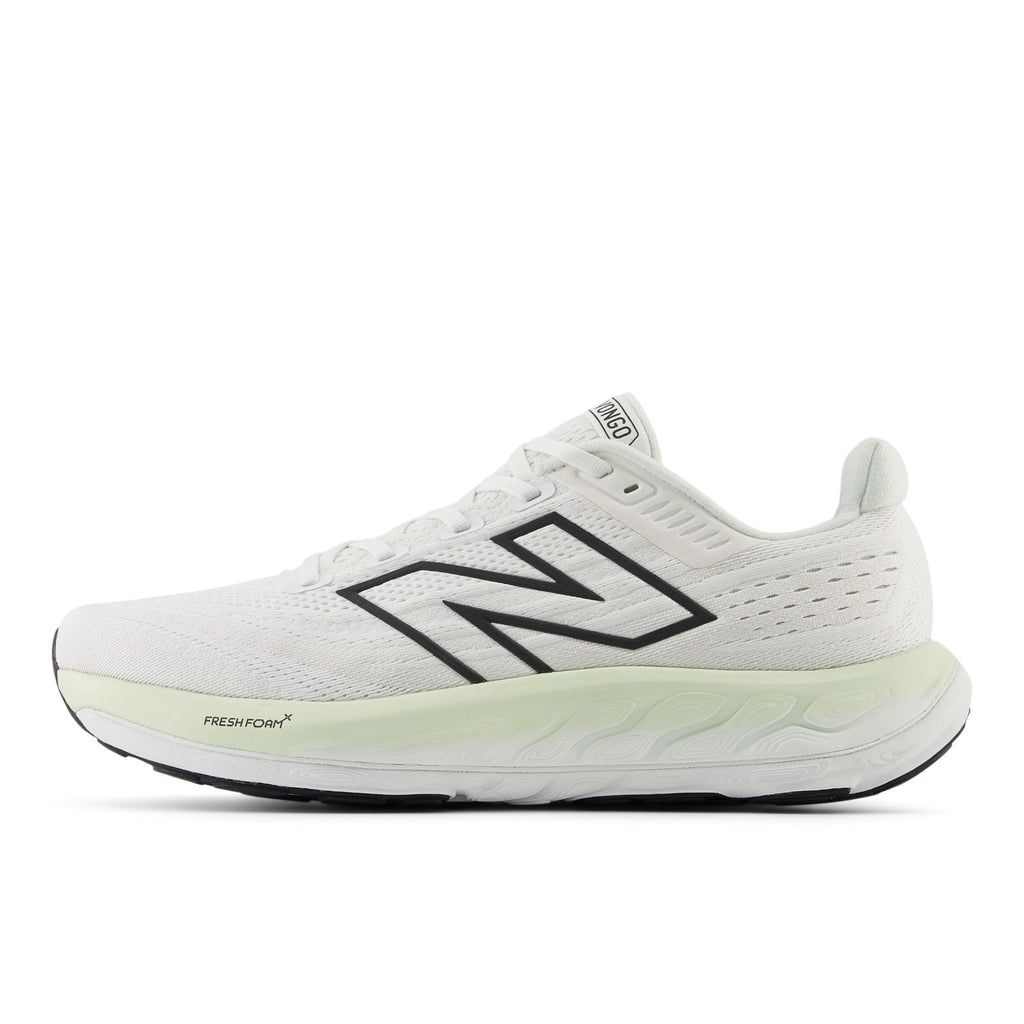
A Stability Plane adds support without a hard medial post.
Search Fresh Foam X Vongo v6 on Amazon ↗Questions about this topic
Is a roomy toe box the same as a wide shoe?
No. A shoe can flare around the toes but remain narrow through the midfoot. Choose according to the part of your foot that needs space.
Should wide feet always size up?
Not automatically. First compare the correct length in a wider fitting. Extra length can create heel slip and does not necessarily provide enough midfoot width.