The activity determines the first shortlist
Running shoes primarily address repeated forward movement; court and gym activities can add frequent sideways actions, stops and other demands. Start with the shoe category intended for your main sport, then evaluate its fit and support. Reversing that order can produce a highly supported shoe that is unsuitable for the activity.
The AAOS recommends choosing footwear appropriate to the sport. That principle is more useful here than searching for the strongest support rating across every type of athletic shoe. A road-running model’s guidance system does not establish its suitability for tennis, basketball or a session dominated by lateral drills.
For running and walking, compare the actual pace
A guided running shoe can be a candidate for both running and walking, but try both movements if both matter. The rollover that feels pleasant while jogging may not be your favorite during a slow walk. Assess heel hold and upper pressure for the intended duration rather than assuming one short jog answers every question.
If most use will be walking, let that activity decide the purchase. Running technology can be useful, but you need not pay for a particular foam or speed-oriented feature unless you prefer the resulting shoe. A comfortable, predictable walking experience is a sufficient goal.
For gym and court work, test the relevant movement
A session centered on lifting raises different footwear questions from treadmill running; a court sport raises different questions again. Look for activity-specific construction and secure fit before considering whether the shoe resembles a running stability model. Familiar arch contact is only one part of the decision.
During a permitted fitting, use controlled movements appropriate to the shoe’s intended activity. Notice whether your foot stays held during direction changes and whether the sole feels predictable. Do not infer lateral security from the softness of the heel or from a running shoe’s maximum-support description.
Decide whether one pair is a realistic compromise
If your routine mixes a small amount of several activities, a cross-training shoe may be worth considering. If it includes substantial running and frequent court play, two activity-specific pairs may make the choices clearer. Base that decision on actual use rather than buying a rotation before you know what you need.
If pronation is associated with ongoing symptoms or a clinician’s recommendation, bring that context into each activity-specific fitting. The solution used for one sport should not be transferred automatically to every other shoe. Inserts, available interior space and the demands of the movement all need to work together.
Catalog models to investigate
Model profiles summarize published information, not personal wear testing.
As an Amazon Associate, we may earn from qualifying purchases.
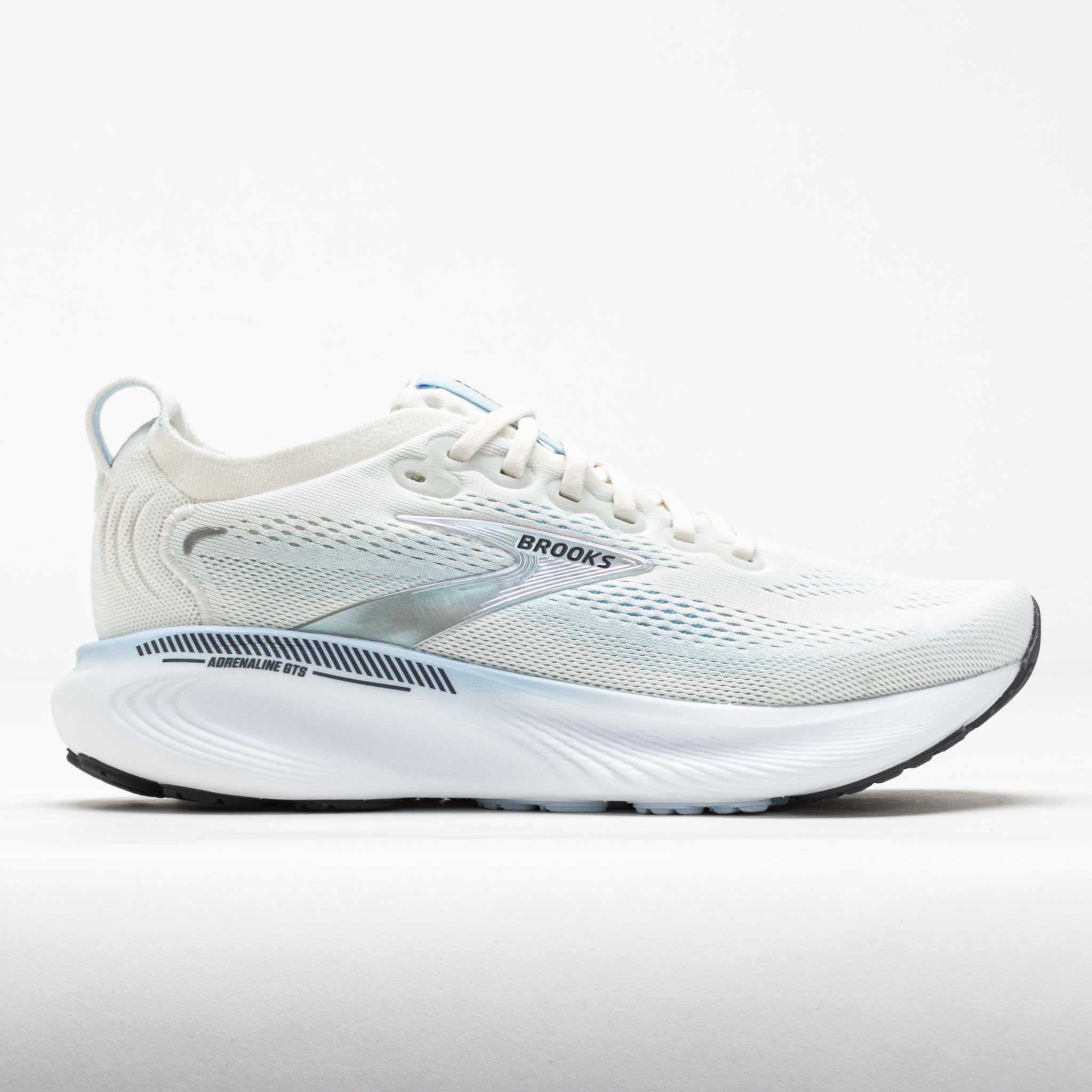
GuideRails support with a familiar daily-trainer feel.
Search Adrenaline GTS 25 on Amazon ↗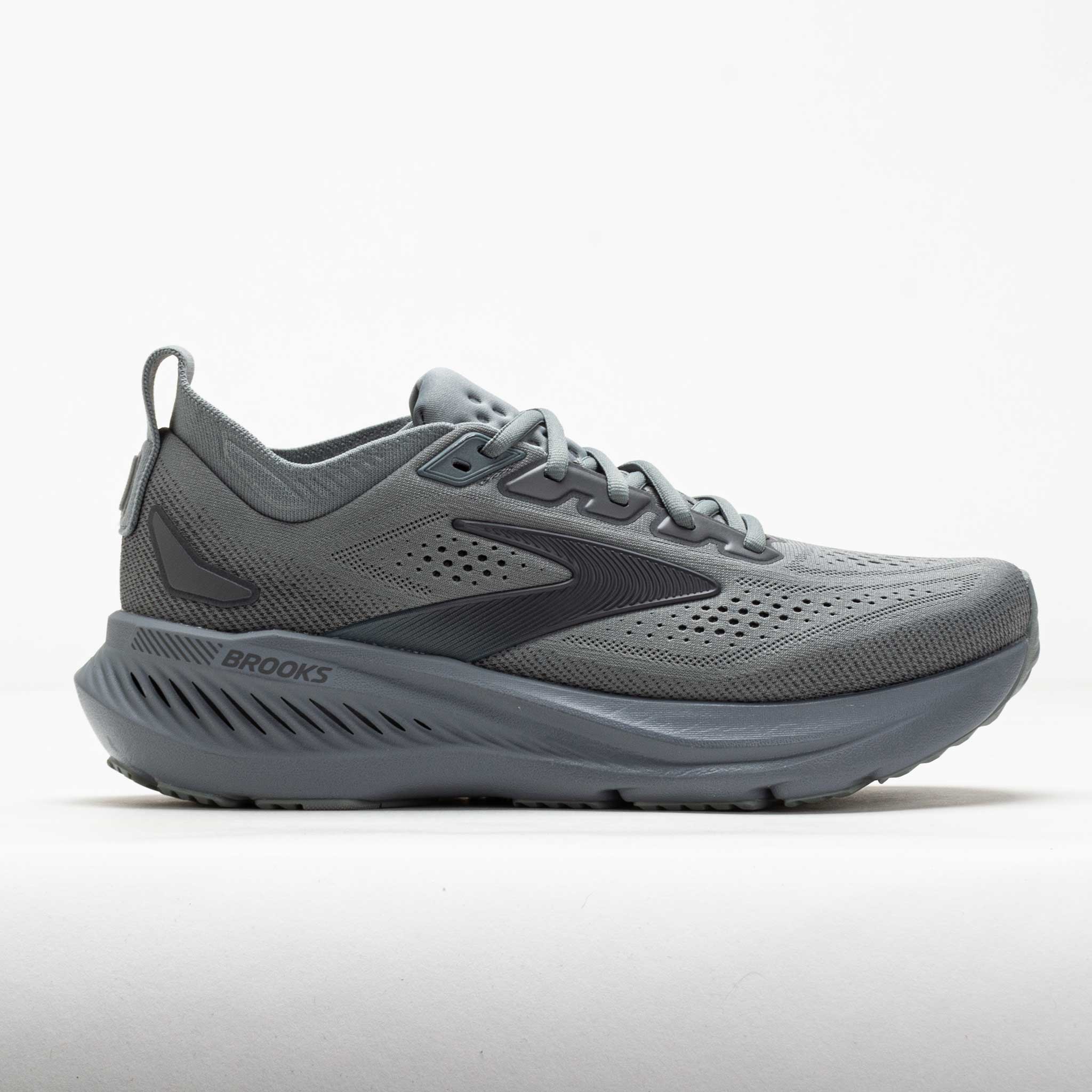
A softer, premium alternative to the Adrenaline.
Search Glycerin GTS 23 on Amazon ↗
Substantial motion management and a broad, durable platform.
Search Beast GTS 24 on Amazon ↗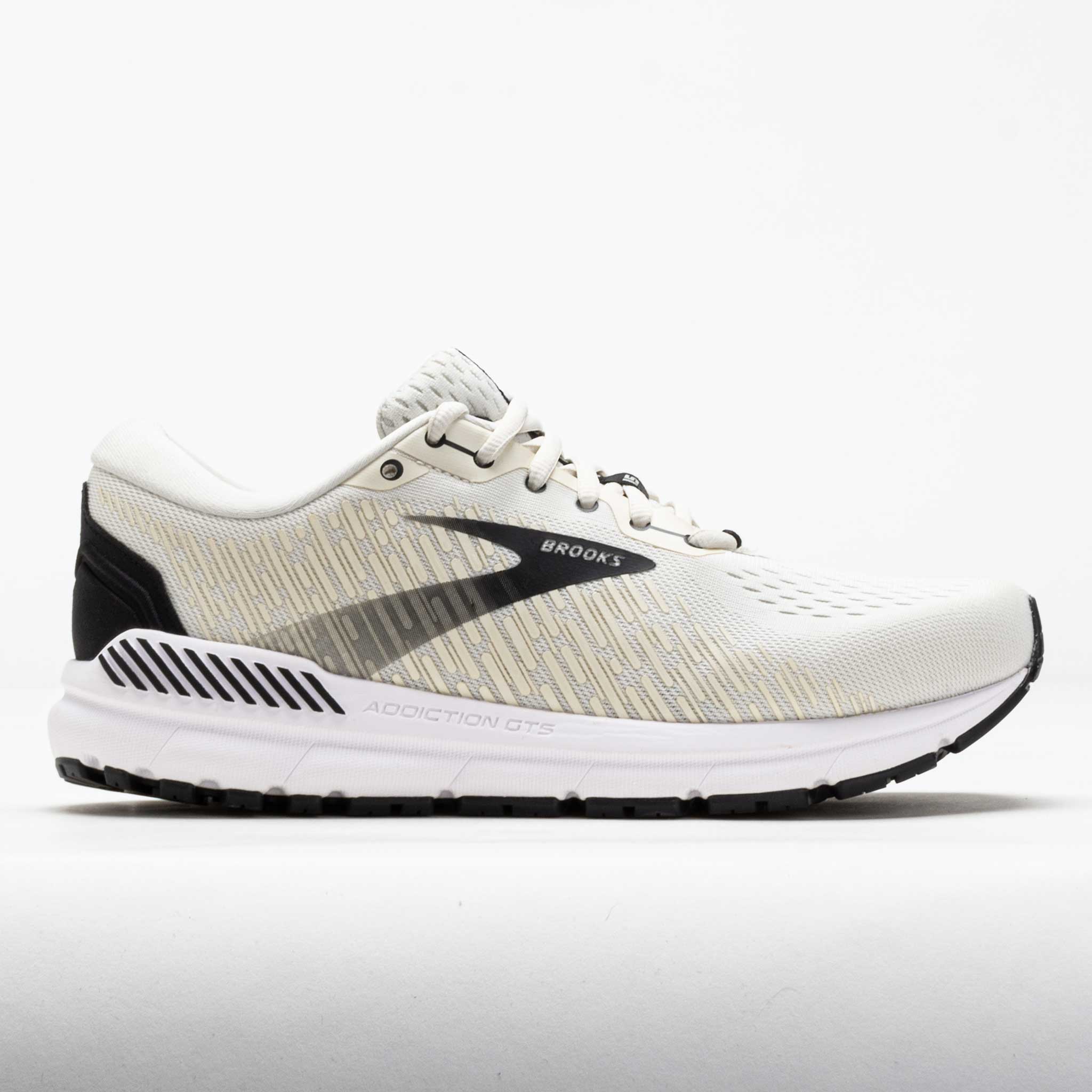
Roomy motion-control geometry for runners who prefer a firm base.
Search Addiction GTS 15 on Amazon ↗
Adaptive guidance paired with high-stack cushioning.
Search GEL-Kayano 32 on Amazon ↗Questions about this topic
Can a stability running shoe replace a tennis shoe?
Do not assume so. Court shoes address repeated lateral movements and court traction; a running support label does not establish those properties.
What if I mostly lift but occasionally use a treadmill?
Choose for the dominant activity and consider whether a second pair is warranted for longer runs. A cross-trainer may suit a mixed routine, but it is a compromise to assess.