Clarify what pronator means in your search
Pronation is the foot’s inward movement during loading, so the word pronator covers a broad range of runners rather than a single footwear prescription. Retailers often use it as shorthand for someone seeking stability shoes, which can make normal movement sound like a problem that must always be corrected.
Before shopping, ask where the label came from. Was it a brief store observation, professional assessment, or simply wear on an old shoe? More useful purchase information includes whether you are comfortable now, what kind of running you do and what you want a replacement to change.
Check what earns each recommendation its place
Sort recommendations by what they actually specify. A recommendation naming inward-motion guidance belongs in a different group from one addressing toe room, walking use or outsole grip. If a list uses only the word pronator, ask what feature earned each shoe its place before treating the list as a useful comparison.
For example, Brooks GTS models illustrate GuideRails, while ASICS GT-1000 14 illustrates guidance through platform geometry. These are ways to organize a fitting, not winners established by our own wear testing. The appropriate choice may still be the least complicated shoe that feels comfortable for the intended run.
Avoid selecting support from a single visual clue
Outsole wear, arch appearance and a short video each show only part of the situation. A visible inward movement does not tell you how a particular shoe will feel, and an attractive gait clip is not a substitute for a comfortable running experience. Use observations to ask better questions, not to skip the fitting.
If a clinician has made a specific recommendation, bring it to the store along with any prescribed insert. Clarify whether the guidance concerns shoe construction, available volume or another requirement. The word stability alone may be too broad to communicate the actual instruction.
Separate product facts, reviews and individual advice
Apply the same questions to every recommendation you read: which exact model is being discussed, what feature is meant to help, and what kind of evidence supports the claim? Manufacturer construction details, a reviewer’s personal preference and a clinical recommendation answer different questions. Keep those categories separate when deciding what deserves a trial.
When the fit is promising, increase use through familiar runs before relying on it for an important long outing. If discomfort remains across several shoes, reconsider the problem rather than escalating support indefinitely. Persistent symptoms deserve assessment in the context of training and health, not just another product recommendation.
Catalog models to investigate
Model profiles summarize published information, not personal wear testing.
As an Amazon Associate, we may earn from qualifying purchases.
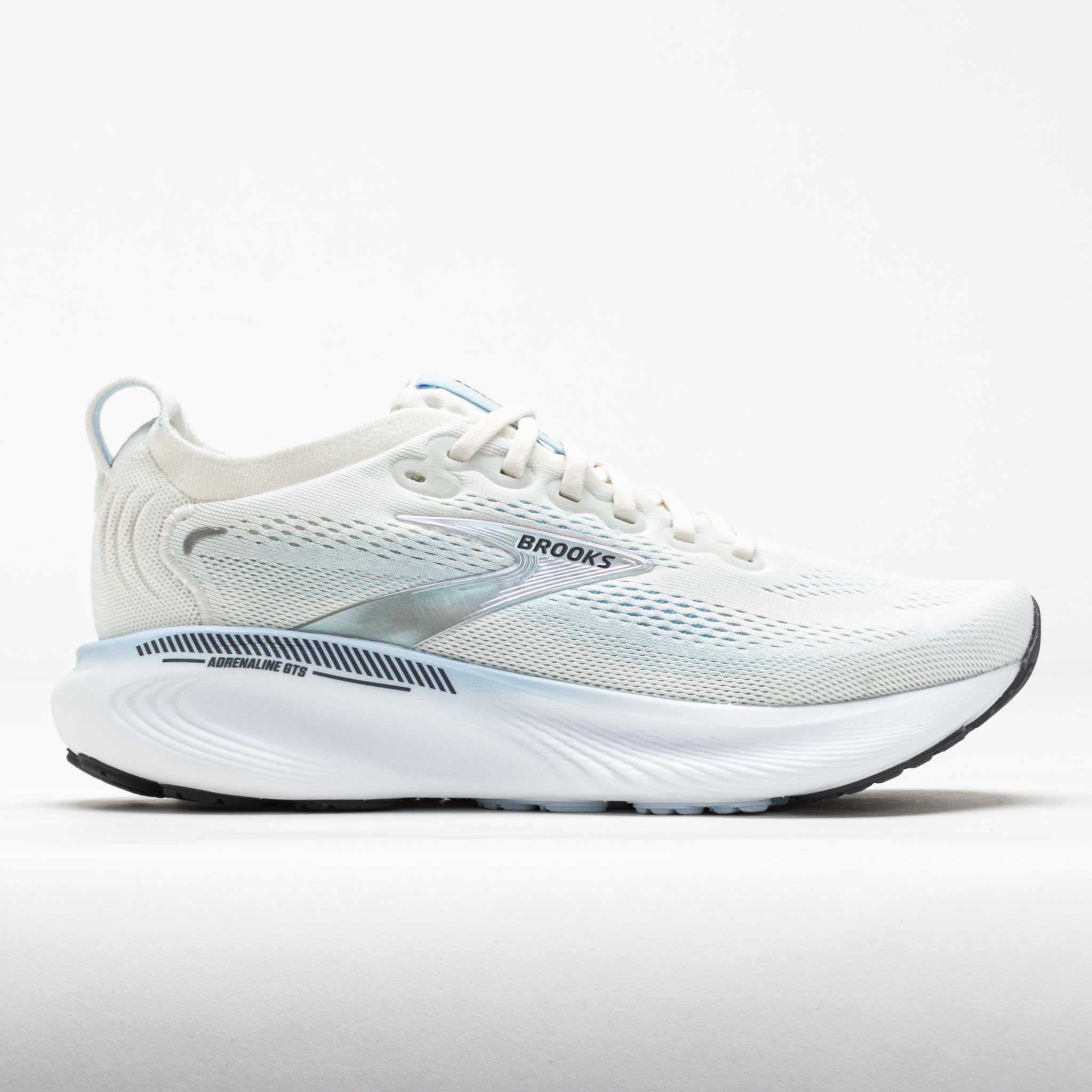
GuideRails support with a familiar daily-trainer feel.
Search Adrenaline GTS 25 on Amazon ↗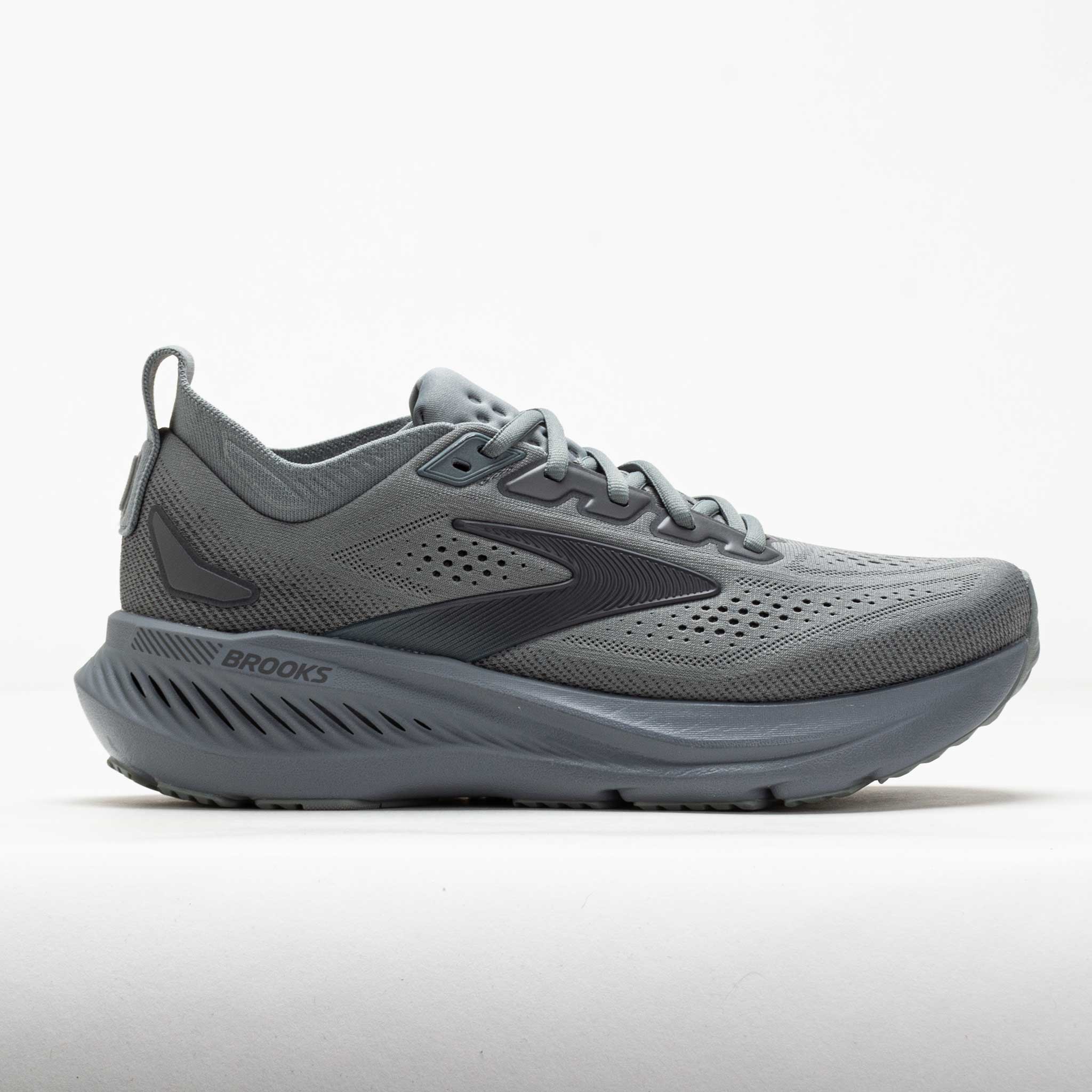
A softer, premium alternative to the Adrenaline.
Search Glycerin GTS 23 on Amazon ↗
Substantial motion management and a broad, durable platform.
Search Beast GTS 24 on Amazon ↗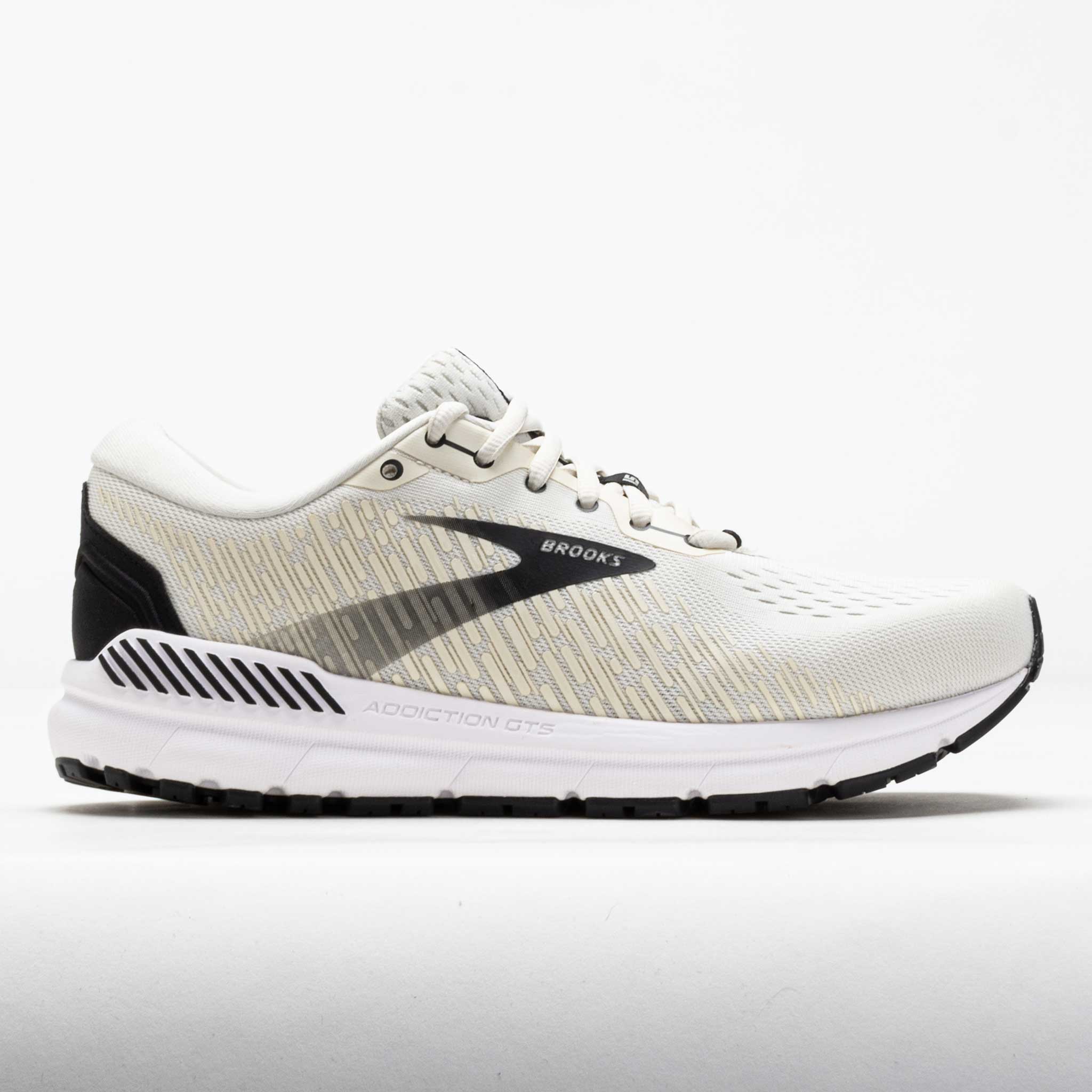
Roomy motion-control geometry for runners who prefer a firm base.
Search Addiction GTS 15 on Amazon ↗
Adaptive guidance paired with high-stack cushioning.
Search GEL-Kayano 32 on Amazon ↗Questions about this topic
Does everyone who pronates need stability shoes?
No. Pronation is a normal part of movement. Comfort, function and individual context matter more than the presence of inward motion alone.
Can I buy solely from the wear pattern of my old shoes?
Wear can be useful background information, but it does not identify the best replacement by itself. Pair it with fit history and an appropriate trial.