Compare constructions behind the labels
Use mild, moderate and maximum as headings for browsing, not as a score to obtain. Before comparing adjacent groups, identify what changes between the actual shoes: the guidance component, platform shape or overall construction. Two different labels are useful only when they lead to a difference you can describe.
If your current shoes work well, use them as the reference. There is no need to climb a support ladder simply because you run farther, get older or see inward movement on a video. A product category should help organize options rather than create a problem to fix.
Understand the limits of mild, moderate and maximum
These terms summarize construction or intended feel within a catalogue. In this guide, they are editorial descriptions, not measured scores for comparing every brand. A moderate shoe from one maker may feel more noticeable beneath your arch than a maximum-labelled shoe from another.
Look at the features behind the label: platform width, sidewalls, heel structure and any dedicated guidance component. Then evaluate how they interact with your foot. Stiffness in your hands, a tall midsole or a large support logo cannot tell you the individual result.
Compare neighboring choices instead of every shoe
Begin with your familiar shoe and one alternative that addresses a specific complaint. If a secure fit solves the problem, you may not need additional control. If a comfortable guided model feels more predictable, compare it with another reasonably similar option to refine the choice.
Keep socks, inserts, pace and surface consistent during the comparison. A short record of heel hold, arch pressure and overall comfort is more useful than a vague score out of ten. Avoid assuming that the pair with the strongest sensation is providing the most beneficial support.
Know when the question needs professional input
Persistent pain, repeated giving-way or a previously prescribed orthosis changes the shopping conversation. A clinician can consider symptoms and movement together and explain whether a particular footwear setup fits your needs. A retail category cannot replace that assessment.
Without symptoms or special requirements, the practical target is a shoe that remains comfortable during your intended use. Choose the least intrusive option among the pairs that genuinely work, rather than tolerating pressure in pursuit of maximum correction. Revisit the choice when your experience changes, not because a marketing label suggests an upgrade.
Catalog models to investigate
Model profiles summarize published information, not personal wear testing.
As an Amazon Associate, we may earn from qualifying purchases.
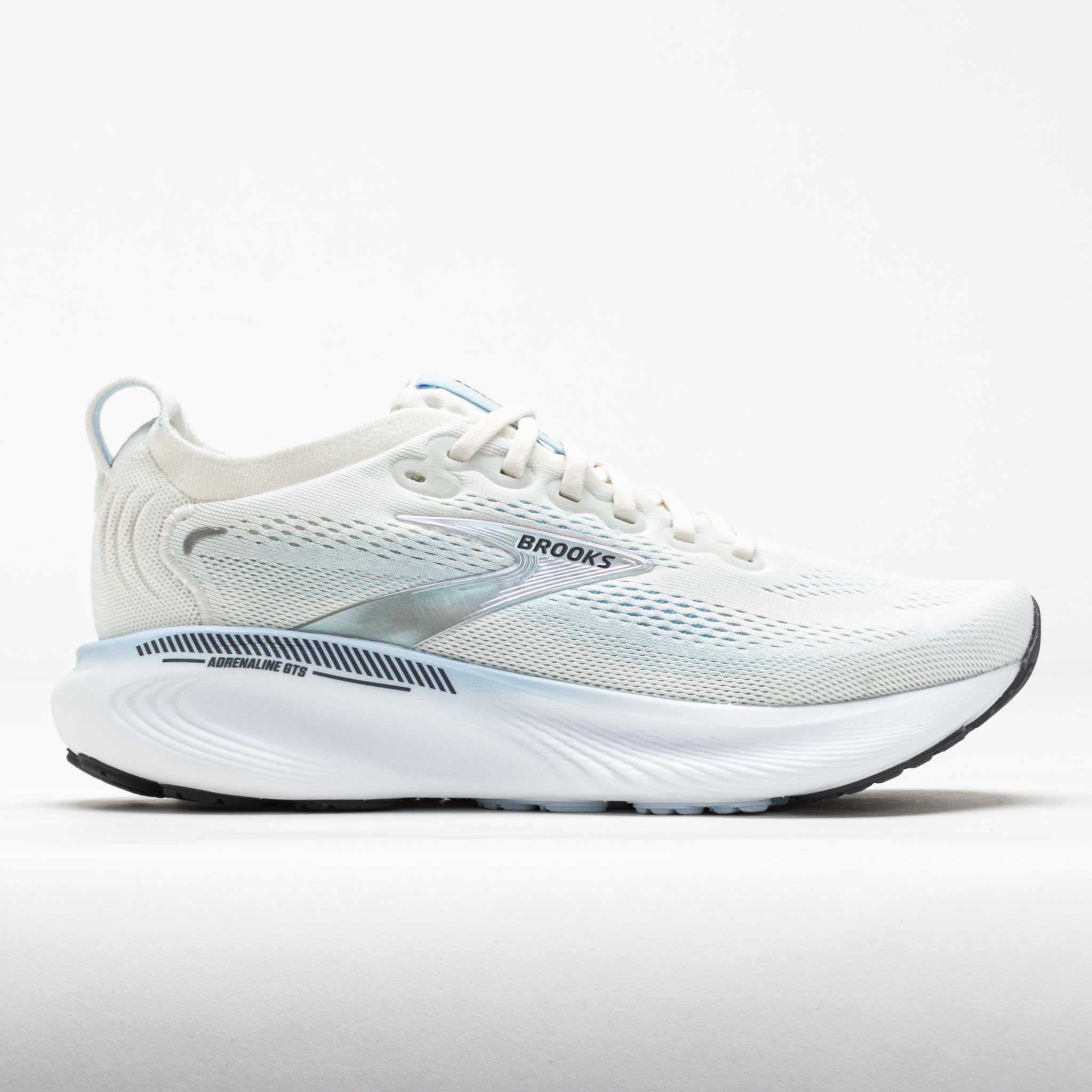
GuideRails support with a familiar daily-trainer feel.
Search Adrenaline GTS 25 on Amazon ↗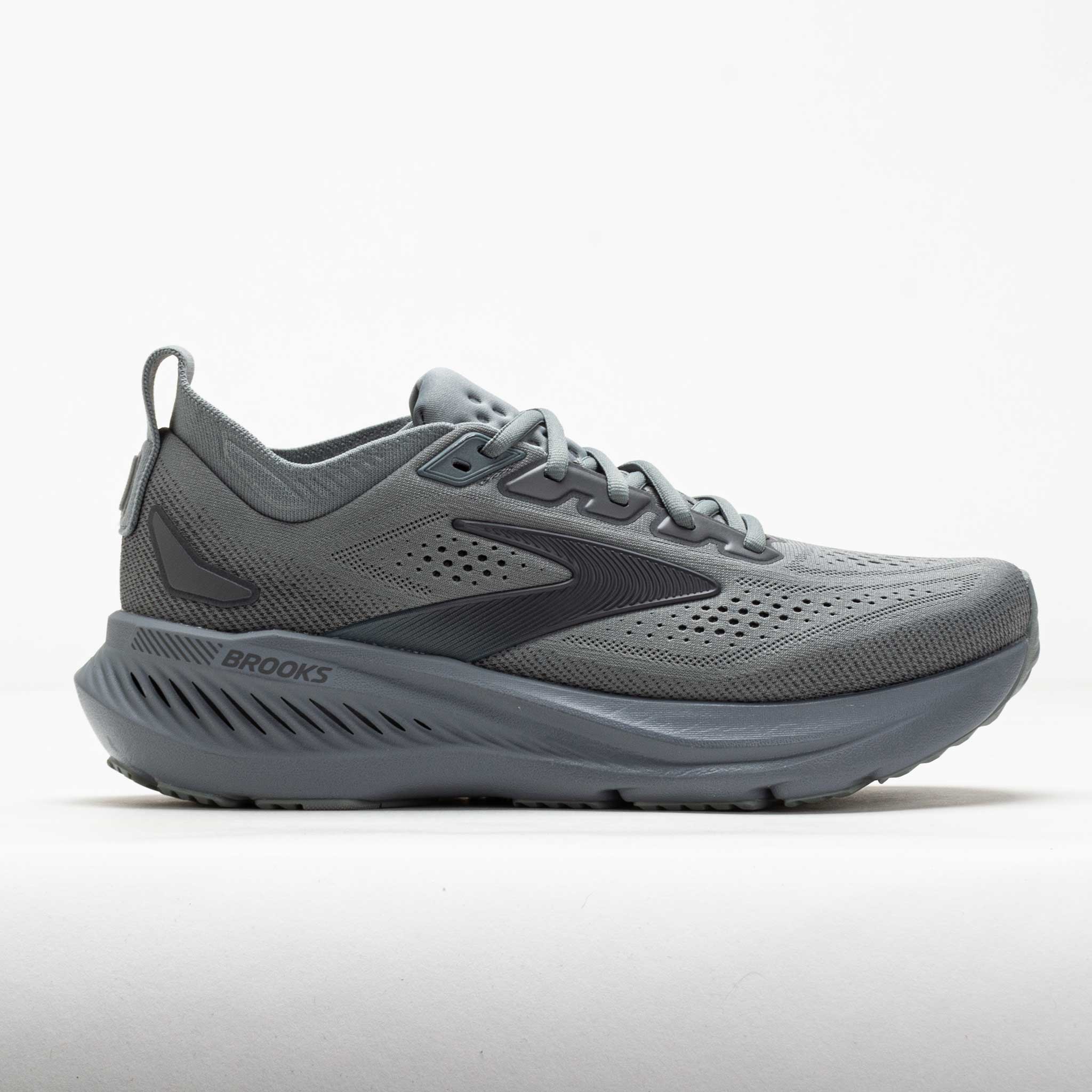
A softer, premium alternative to the Adrenaline.
Search Glycerin GTS 23 on Amazon ↗
Substantial motion management and a broad, durable platform.
Search Beast GTS 24 on Amazon ↗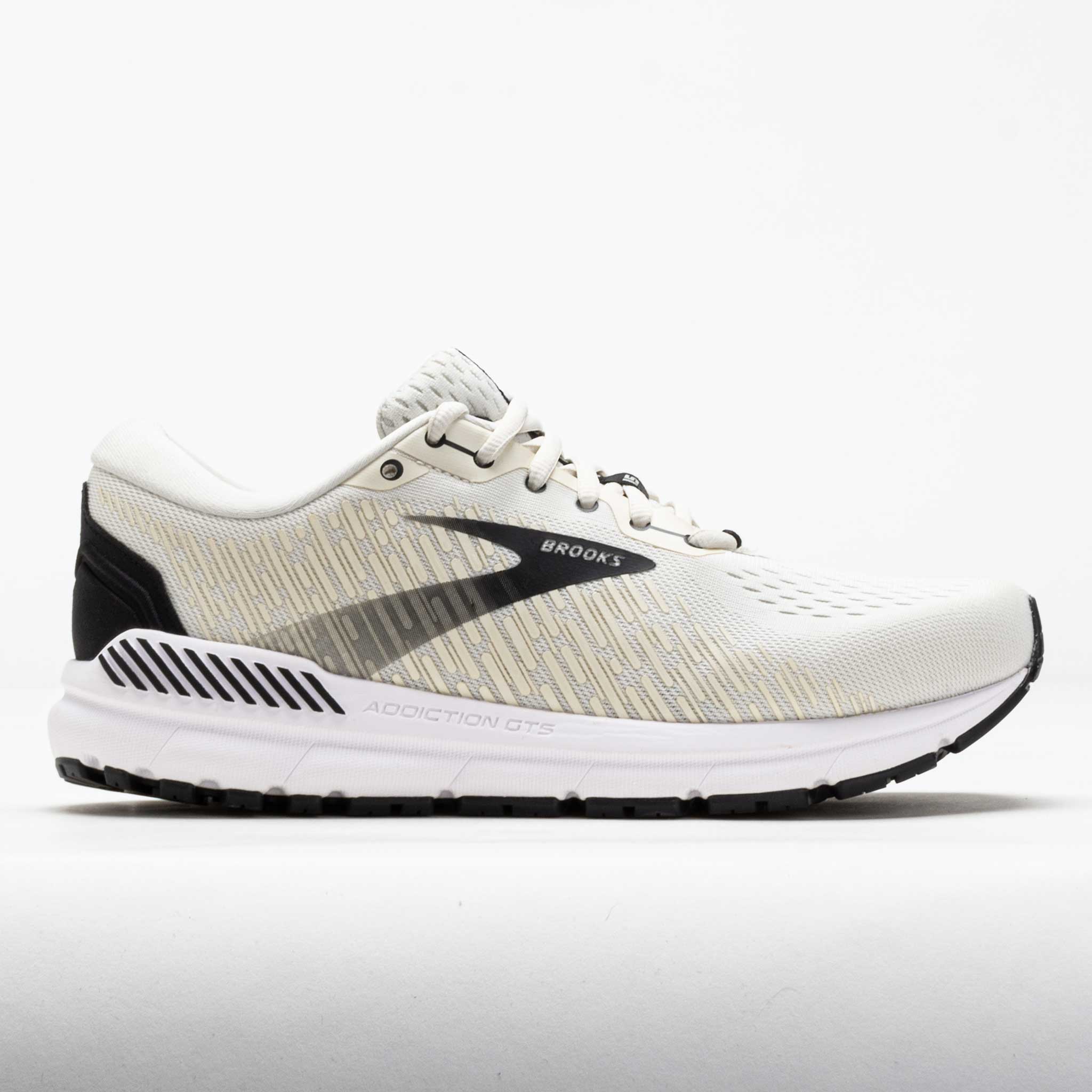
Roomy motion-control geometry for runners who prefer a firm base.
Search Addiction GTS 15 on Amazon ↗
Adaptive guidance paired with high-stack cushioning.
Search GEL-Kayano 32 on Amazon ↗Questions about this topic
Can I have too much support?
A shoe can feel intrusive or uncomfortable for your foot. More structure is not inherently useful if it creates pressure or an awkward transition.
Does a low arch mean maximum support?
No. Arch appearance alone does not settle the choice. Consider fit, comfort in motion and any relevant professional assessment.