Choose the surface before the family
Begin by deciding whether you are shopping for paved daily running or a route that regularly includes unpaved ground. Arahi and Gaviota belong in the road-running comparison. HOKA describes Stinson 7 as a road-to-trail option with multidirectional lugs and H-Frame construction. That role is a reason to investigate it for mixed surfaces, not evidence that it is a more advanced road shoe. A shared brand and support vocabulary do not remove the need to match outsole design to the places you will actually run.
For a mostly paved route with occasional smooth paths, describe that balance explicitly to the fitter instead of shopping from the word trail alone.
Compare Arahi and Gaviota on foot
HOKA's current stability explainer discusses Arahi 8 and Gaviota 6 as guided models and emphasizes a plush positioning for Gaviota. Treat that as a useful contrast to investigate, not a guarantee of how either will feel under your foot. Try both at the pace you expect to use most often. Notice whether the upper holds your heel, whether the middle feels crowded and whether the transition is comfortable. A shoe may look broad while still offering an interior shape that does not suit you.
Understand the frame without buying the name alone
HOKA uses named frame designs to describe aspects of its guidance construction. The company's explainer identifies an enhanced H-Frame in Arahi 8 and Gaviota 6. Those names are useful for understanding design changes, but they should not become substitutes for a fit comparison. Do not assume an experience with an older Arahi or Gaviota predicts the current version exactly. Check the complete generation, width and manufacturer's description, especially when a retailer's title combines old images with a newer model name.
Evaluate the rocker at your normal pace
A rolling-looking sole can feel different depending on the person and the activity. During a fitting, walk, transition into your easy running pace if permitted and make ordinary turns. You are looking for a natural-feeling progression, not trying to adapt your stride to satisfy the shoe's shape. If you plan to walk in the pair as well, test that separately. If the preferred model fits only with excessive lace tension or an unwanted amount of extra length, compare widths or another shape. Brand consistency is less valuable than a shoe you can wear without repeatedly adjusting it.
Catalog models to investigate
Model profiles summarize published information, not personal wear testing.
As an Amazon Associate, we may earn from qualifying purchases.
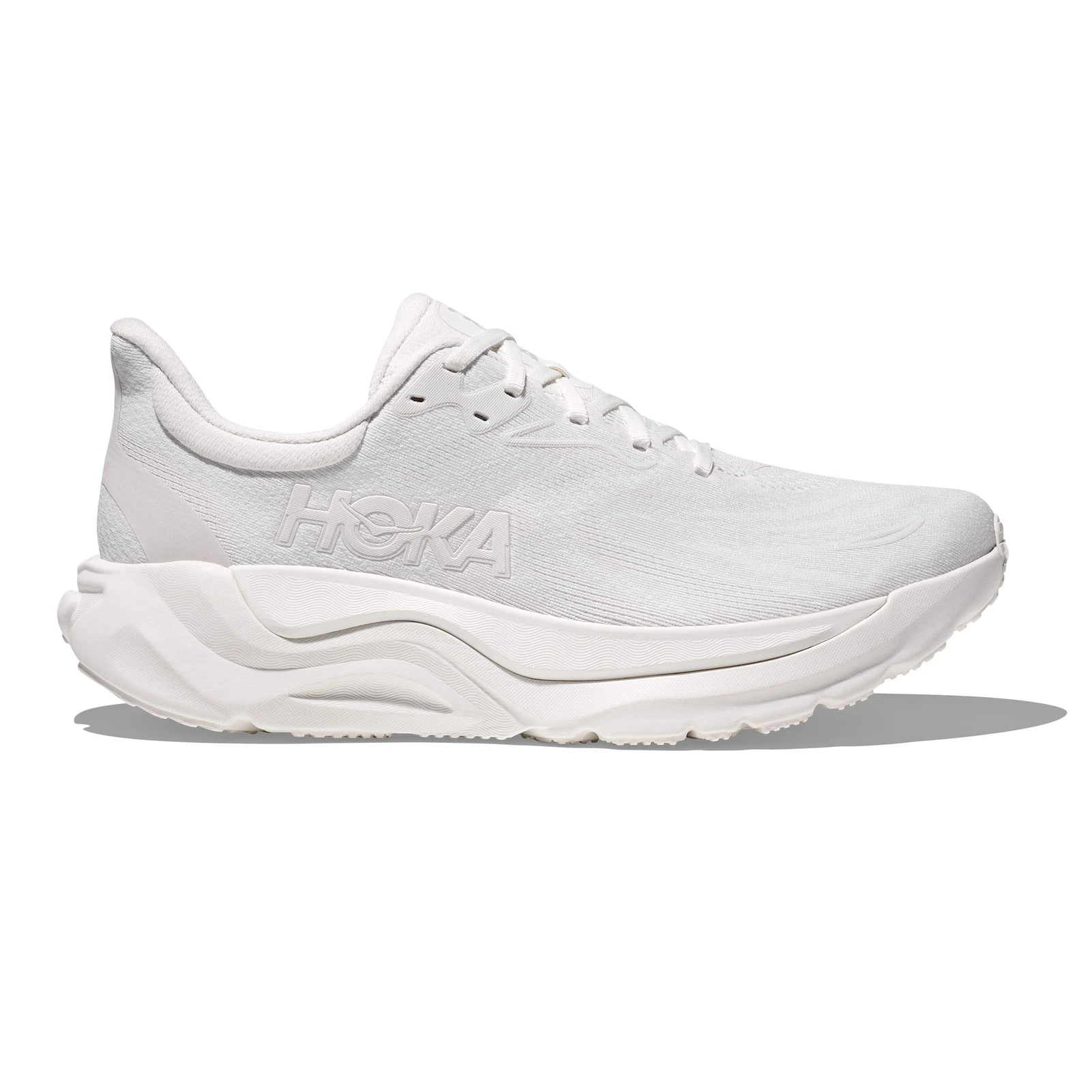
A rolling daily-training platform with added guidance.
Search Arahi 8 on Amazon ↗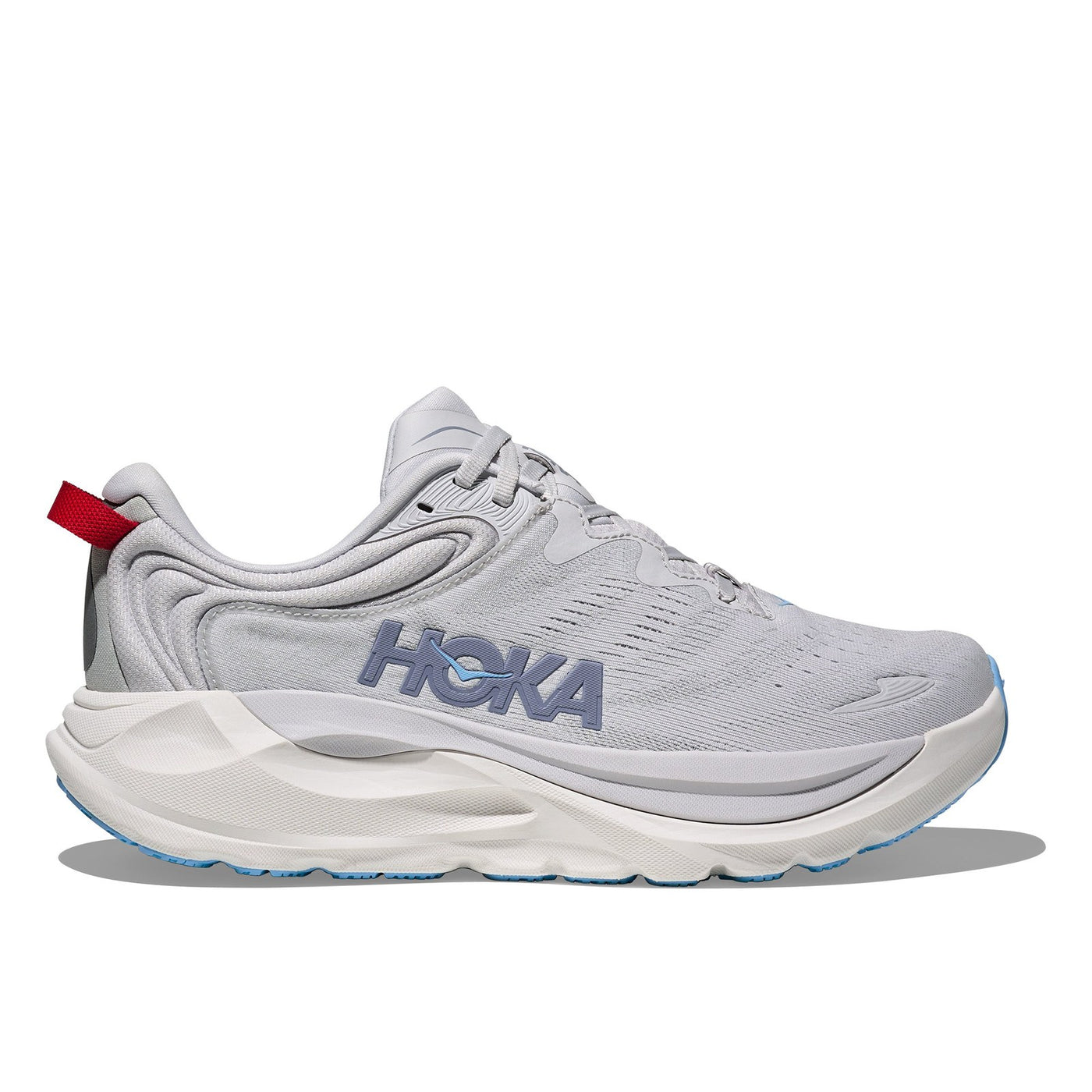
A broad H-Frame platform for runners wanting more shoe underfoot.
Search Gaviota 6 on Amazon ↗Questions about this topic
Is every HOKA a stability shoe?
No. Brand identity and a substantial-looking sole do not establish dedicated guidance. Verify the exact model’s construction and category.
Should I move to Stinson for more support on roads?
Consider Stinson for its stated mixed-surface role first. A road-to-trail outsole and overall design add differences that may not answer a road-fitting problem.