Separate landing location from support needs
Heel striking describes where initial contact occurs. Stability describes how the shoe manages movement after contact. These are different questions, so a worn patch on the outside of the heel does not identify your ideal support category. Begin with whether your current shoes feel comfortable and predictable throughout a run.
When comparing candidates, notice the first few steps without trying to land differently. A shoe that only feels comfortable when you consciously change your stride is giving you less useful information than one that works with your usual easy-running movement.
Inspect the back of the shoe
Place your heel fully into the shoe before tightening the laces. The collar should hold it securely without digging into the Achilles area. A tall or rigid heel counter is not necessarily better: its shape must match your foot. Watch for rubbing as the heel rises and falls during running.
Look underneath as well. Rubber coverage at your usual landing area matters for wear, while the heel bevel affects how the shoe meets the ground. Neither a large rubber patch nor a dramatic bevel guarantees comfort; use them to explain what you feel during a try-on.
Do not shop by drop alone
Heel-to-toe drop is the height difference between the heel and forefoot, not a measurement of heel softness or support strength. Two shoes with matching drop can have very different cushioning, rocker geometry and rearfoot width. A higher number does not prove that a shoe is better for a heel striker.
For a specific starting point, Brooks lists the Adrenaline GTS 25 with GuideRails and DNA LOFT v3 cushioning. Compare its rearfoot fit with another comfortable daily trainer rather than treating the technology name as a prescription for your landing pattern.
Use an easy-pace comparison
Run at your ordinary conversational pace on a level surface, then make a few gentle turns. Ask whether contact feels abrupt, whether your heel slips and whether the shoe rolls forward without a noticeable pause. Walking around a shop alone may miss these differences.
Repeat the same short route in your existing pair if it remains usable. This gives you a familiar reference. Choose the shoe that makes the whole step comfortable; a wonderfully soft heel is not enough if the forefoot feels awkward or the arch becomes distracting.
Catalog models to investigate
Model profiles summarize published information, not personal wear testing.
As an Amazon Associate, we may earn from qualifying purchases.
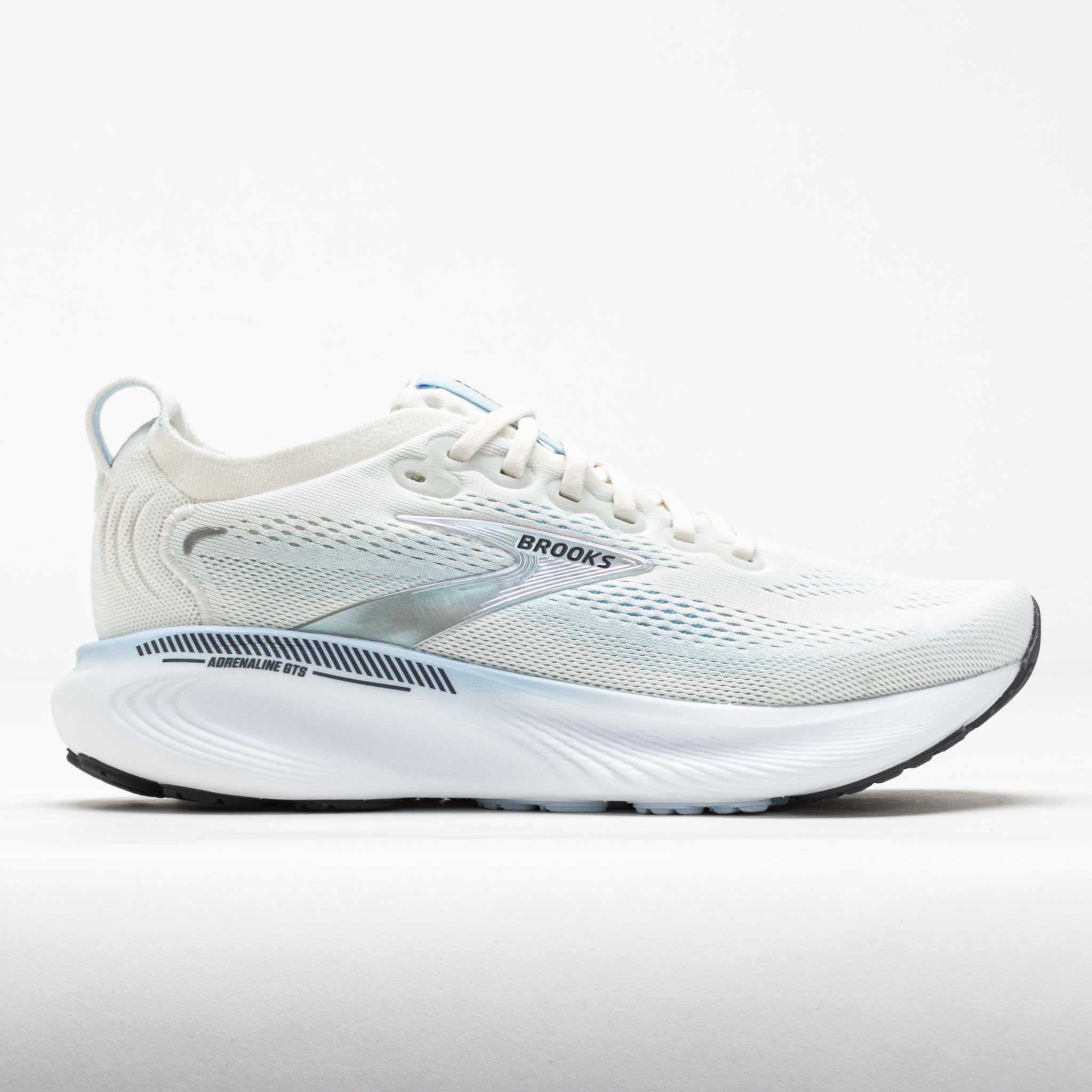
GuideRails support with a familiar daily-trainer feel.
Search Adrenaline GTS 25 on Amazon ↗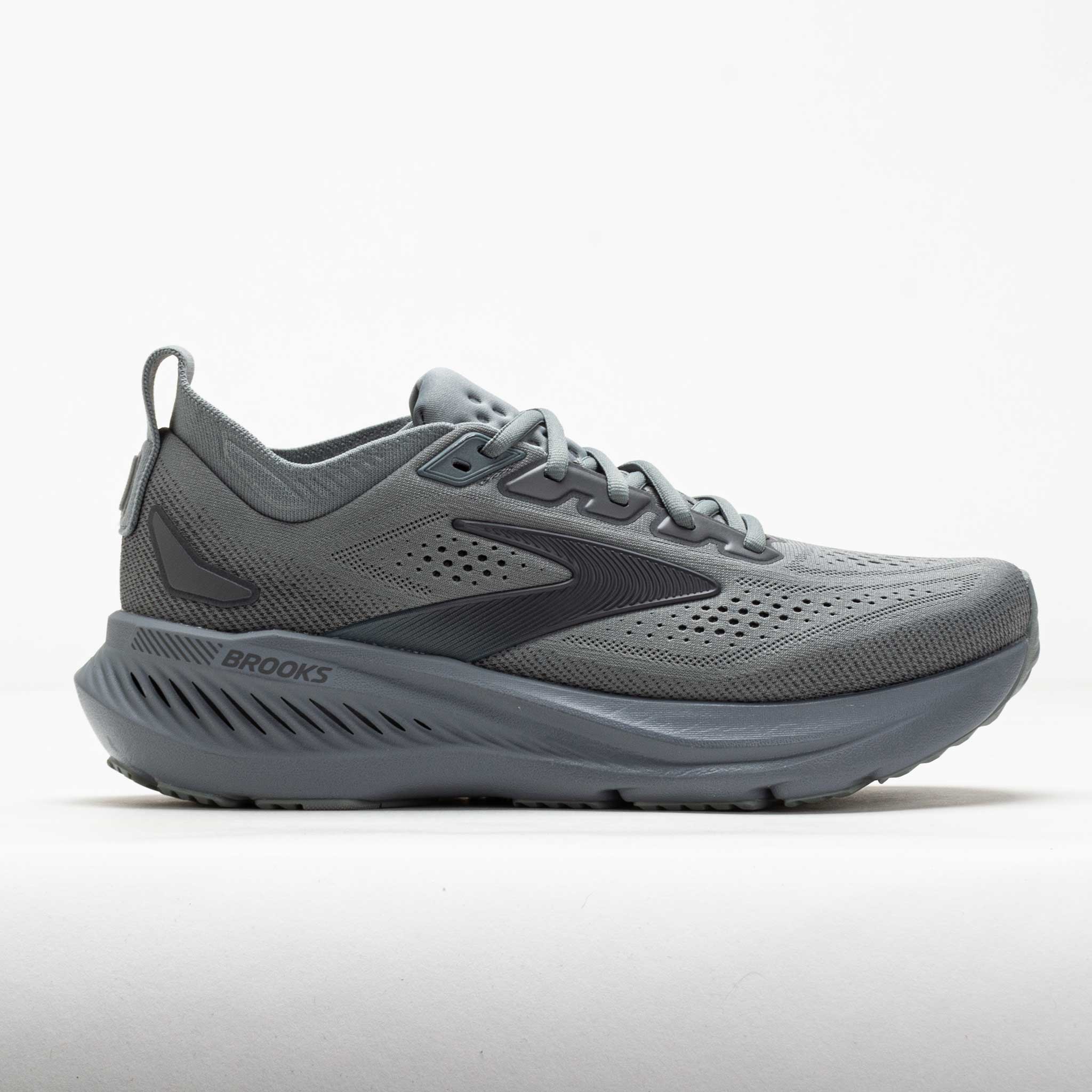
A softer, premium alternative to the Adrenaline.
Search Glycerin GTS 23 on Amazon ↗
Substantial motion management and a broad, durable platform.
Search Beast GTS 24 on Amazon ↗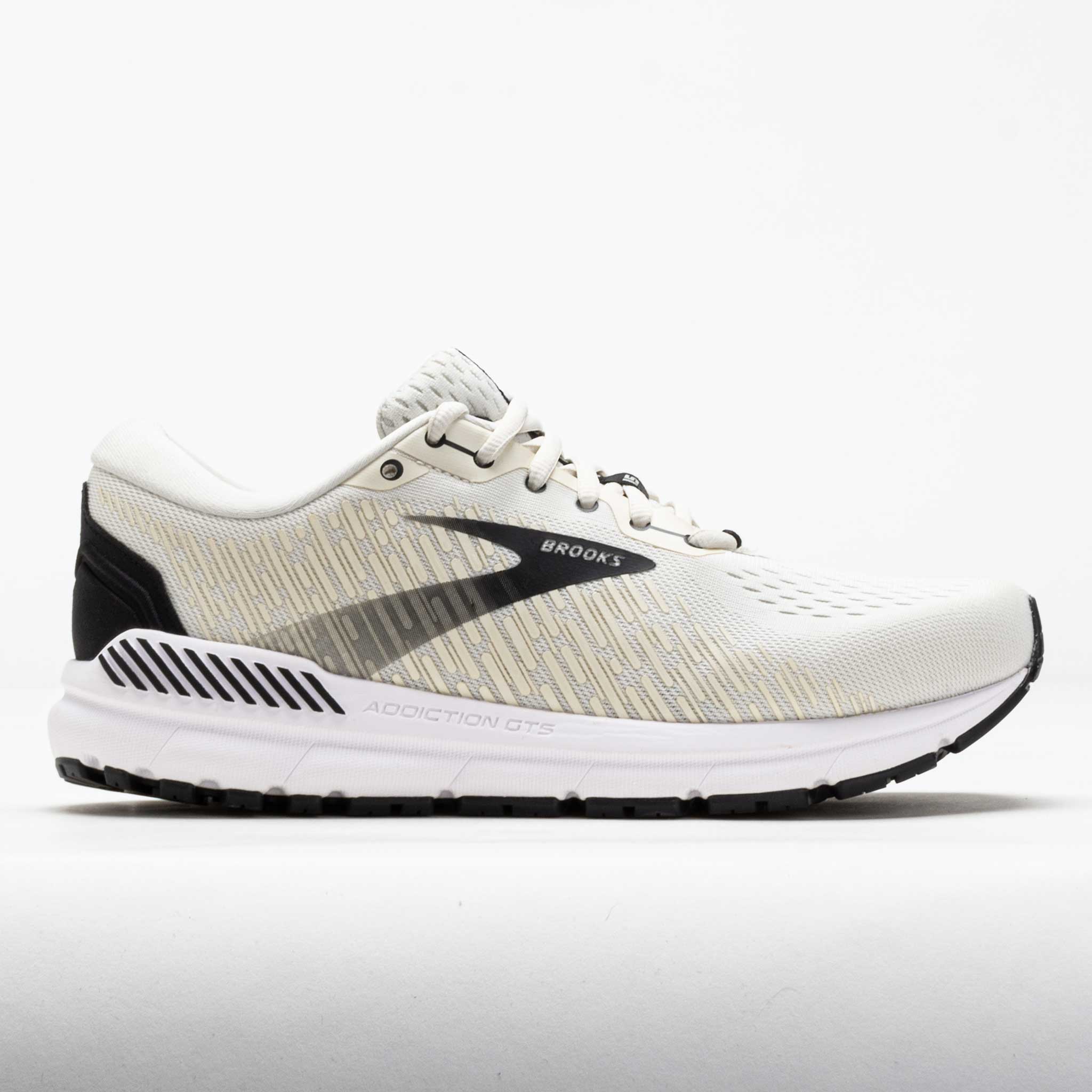
Roomy motion-control geometry for runners who prefer a firm base.
Search Addiction GTS 15 on Amazon ↗
Adaptive guidance paired with high-stack cushioning.
Search GEL-Kayano 32 on Amazon ↗Questions about this topic
Does outside heel wear mean I need motion control?
No. Wear location alone cannot establish support needs. Consider the whole shoe, comfort during running and any persistent symptoms rather than assigning a category from one outsole patch.
Should I change my foot strike to fit new shoes?
A shoe purchase should not require an improvised gait overhaul. If a comfortable landing is difficult in the new pair, compare another shoe before deliberately changing your stride.