Why a soft landing does not answer the support question
A shoe can feel gentle when you first land and still feel uncertain as your weight moves across it. Another can feel firmer yet give you a more predictable transition. These impressions are not contradictory: cushioning and guidance describe different aspects of the same step.
When shopping, ask two separate questions. Is the underfoot feel comfortable at my normal pace? Do I feel comfortably held and centered while moving? Keeping those questions separate prevents you from buying an excessively soft shoe to solve a fit problem, or a very structured shoe when your complaint is simply an unpleasant ride.
Softness, absorption and rebound are different claims
Softness is a sensation and a material property; shock absorption is usually discussed through a particular loading test; rebound describes energy returned after compression. A shoe may perform differently on each measure. A marketing phrase such as responsive cushioning does not tell you the complete answer to any of them.
Compare numerical claims only when the test methods, sizes and conditions are comparable. A foam percentage from a manufacturer and a whole-shoe laboratory result from another source are not automatically equivalent. For everyday purchasing, your own comfortable trial is still necessary even when reliable laboratory data are available.
How designs combine the two jobs
Manufacturers can surround softer cushioning with a firmer carrier, broaden the footprint, add sidewalls or use another guidance structure. Nike’s Structure Plus, for example, pairs two foams within a support-oriented design; Brooks adds GuideRails to its GTS models. These illustrate approaches, not proof that one is superior for all runners.
The rest of the shoe remains relevant. A secure upper helps the foot stay positioned over the sole, while the outsole and terrain influence how predictable each step feels. There is little value in analyzing the foam alone if the shoe slides around your heel or lacks appropriate traction for the route.
Match the purchase to the complaint
If the current shoe feels harsh but otherwise fits well, compare cushioning options without automatically increasing support. If it feels wobbly, first identify whether that comes from loose fit, a narrow platform or the route itself. The word unstable can describe several different problems that require different solutions.
Avoid translating a cushioning claim into an injury-prevention guarantee. A comfortable shoe is useful, but pain and training tolerance cannot be reduced to a foam label. When symptoms persist, changing shoe categories repeatedly may obscure the issue instead of clarifying it. Evaluate the running context as well as the equipment.
Catalog models to investigate
Model profiles summarize published information, not personal wear testing.
As an Amazon Associate, we may earn from qualifying purchases.
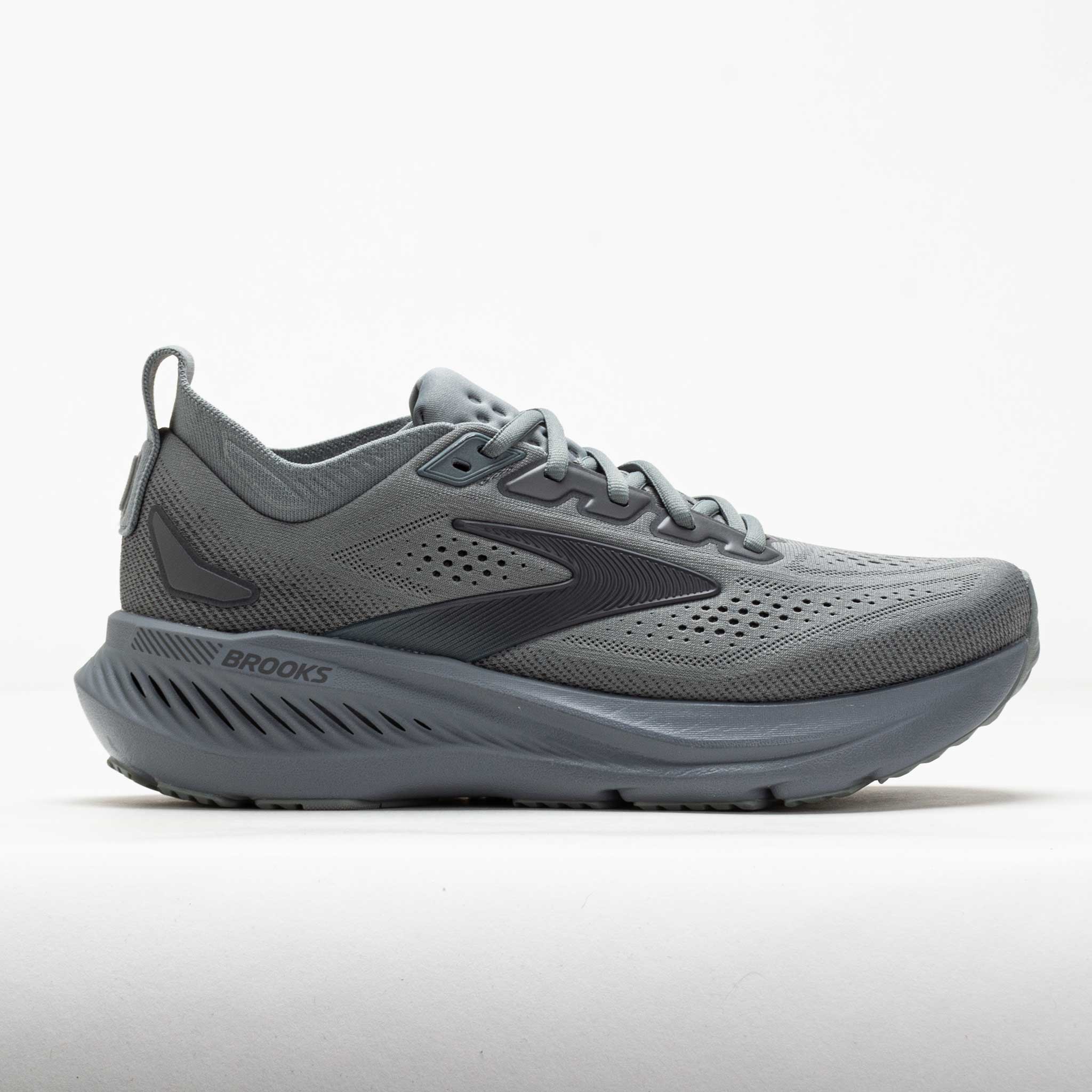
A softer, premium alternative to the Adrenaline.
Search Glycerin GTS 23 on Amazon ↗
Dual-layer cushioning on a broad, supportive base.
Search Hurricane 25 on Amazon ↗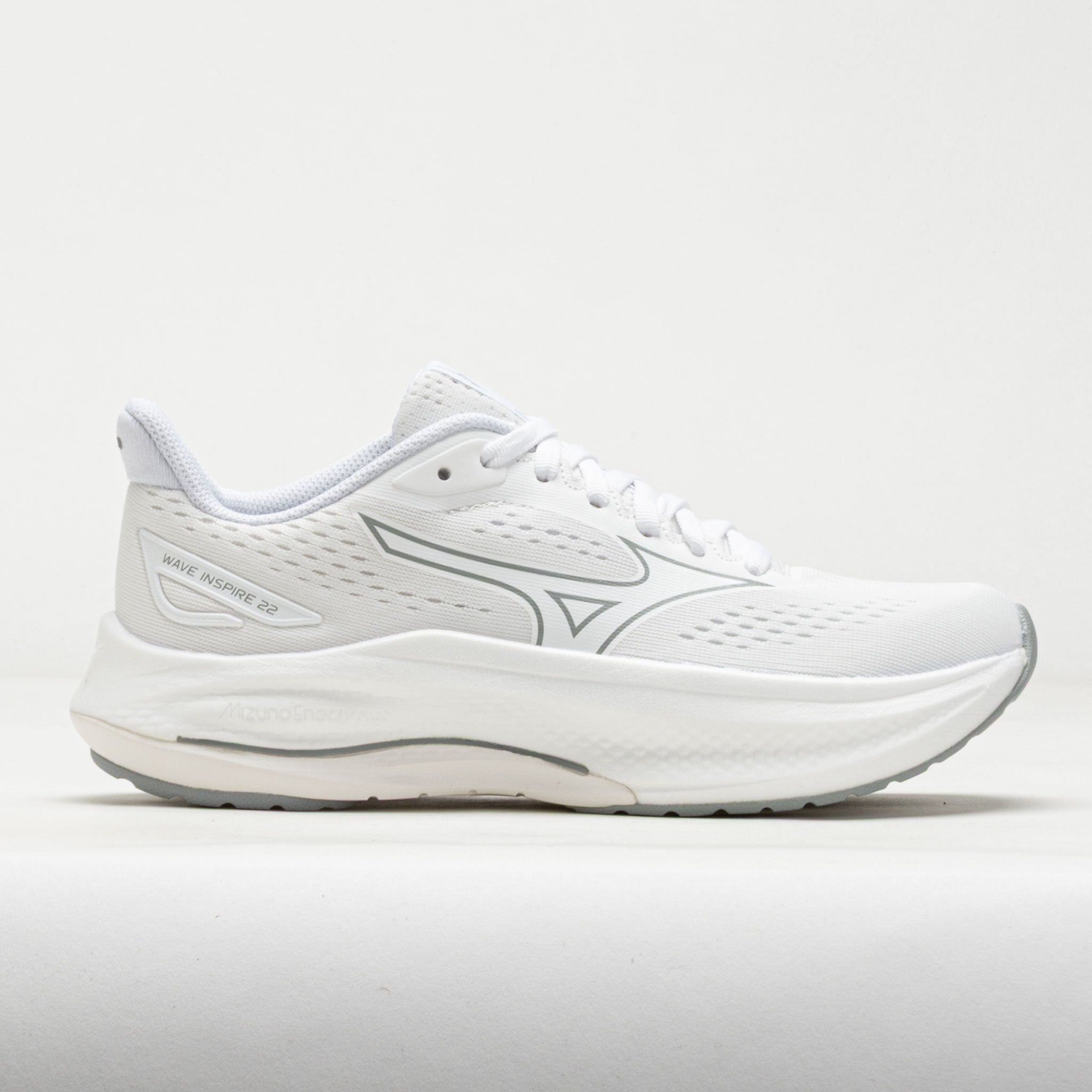
Wave geometry creates a stable, energetic transition.
Search Wave Inspire 22 on Amazon ↗A quicker stability trainer for runners who dislike bulky support shoes.
Search Tempus 2 on Amazon ↗Questions about this topic
Does softer foam always absorb more impact?
Not necessarily. A soft sensation does not establish a standardized shock-absorption result or tell you how the complete shoe behaves while running.
Can a shoe be cushioned and stable?
Yes. Manufacturers combine cushioning with platform geometry, upper hold and guidance components. Your trial determines whether that combination feels suitable.