Body weight is not a support category
There is no useful universal weight threshold at which every runner needs a maximum-support shoe. Two runners of similar size can prefer different cushioning, have different foot shapes and experience very different movement in the same model. Start with your own running history.
If your present neutral shoe feels comfortable and steady, body weight alone is not a reason to replace it with motion control. If you feel unstable, identify whether the problem is a loose upper, a narrow base or an uncomfortable cushioning sensation before choosing stronger guidance.
Distinguish cushioning depth from cushioning behavior
A tall midsole can feel soft without feeling secure. A firmer shoe can feel controlled without feeling comfortable. During a try-on, pay attention to whether the foam settles evenly and whether you feel supported through the entire step. Avoid choosing purely by squeezing the foam with your thumb.
Try candidates at the pace you actually use. For run-walk sessions, evaluate both movements. A shoe that feels luxurious while standing may feel awkward when you begin running, and a lively running shoe can feel unnecessarily stiff during longer walking intervals.
Check the chassis and the upper together
A broad contact area is worth considering, but the foot must stay positioned over it. A generous platform cannot compensate for an upper that lets your heel lift or your forefoot slide sideways. Conversely, very tight laces can disguise a poor fit briefly while creating pressure.
The New Balance 860v15 combines Fresh Foam X cushioning with Stability Plane technology, making it one specific daily-training candidate. Compare it with another well-fitting stability model to decide whether its underfoot shape works for you. The product description does not establish an individual weight limit.
Plan around use and wear
Tell a fitter about weekly distance, walking use and surfaces, not just your weight. A shoe used for daily commuting plus running has a different workload from one reserved for a few short sessions. Budget for replacement based on changes you observe rather than an assumed fixed lifespan.
Inspect the shoes for uneven collapse, worn-through rubber and failing upper hold. If a previously comfortable pair begins to feel different, compare it with a fresh shoe when possible. New discomfort also deserves a look at recent training changes; worn footwear is only one possible explanation.
Catalog models to investigate
Model profiles summarize published information, not personal wear testing.
As an Amazon Associate, we may earn from qualifying purchases.

Substantial motion management and a broad, durable platform.
Search Beast GTS 24 on Amazon ↗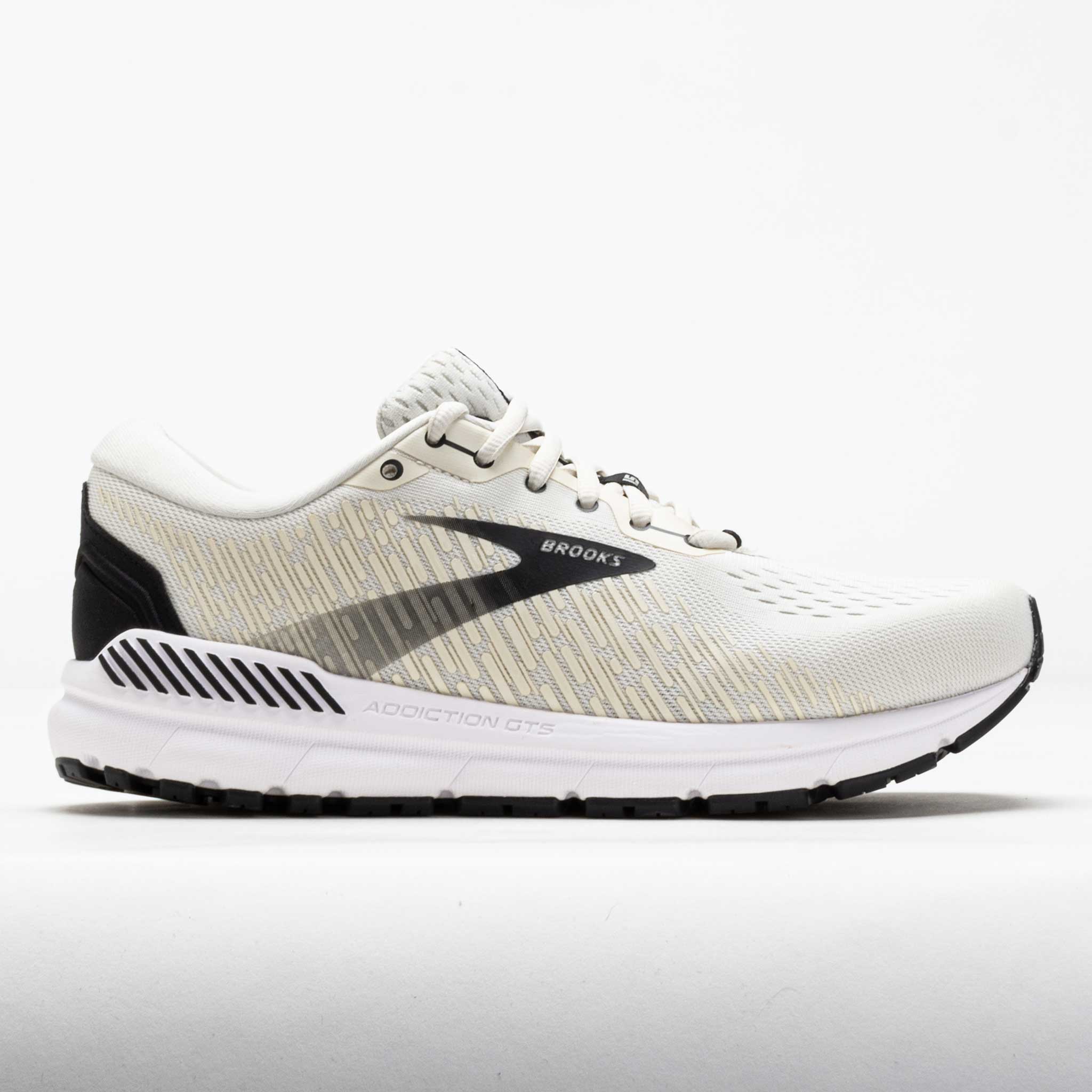
Roomy motion-control geometry for runners who prefer a firm base.
Search Addiction GTS 15 on Amazon ↗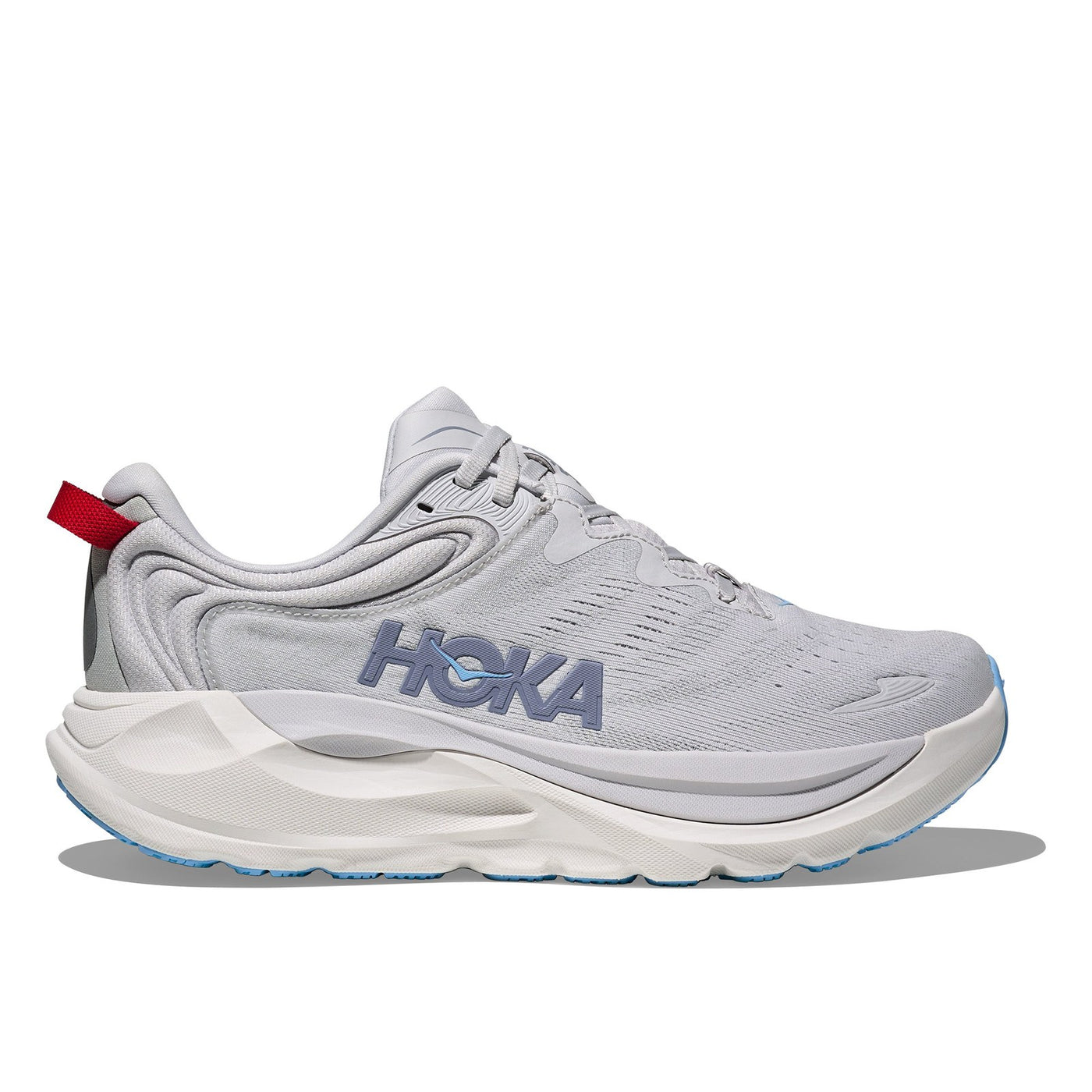
A broad H-Frame platform for runners wanting more shoe underfoot.
Search Gaviota 6 on Amazon ↗
A high-cushion platform with pronounced structural guidance.
Search Wave Horizon 9 on Amazon ↗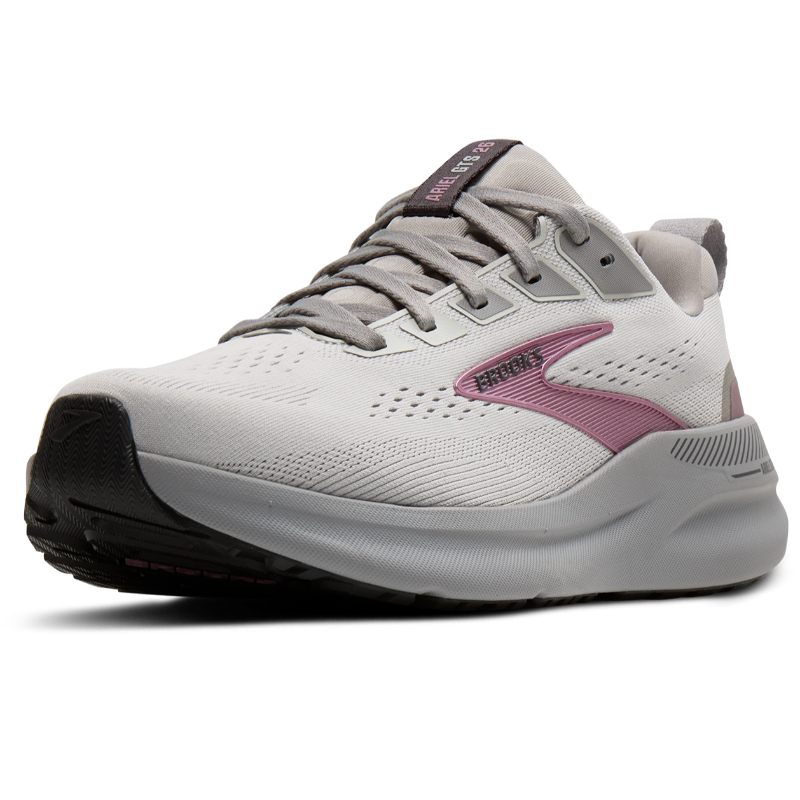
A women-specific maximum-support platform with GuideRails guidance.
Search Ariel GTS 26 on Amazon ↗Questions about this topic
Will the firmest shoe last longest?
Firmness at first wear does not establish lifespan. Construction, usage and the particular wear pattern matter. Choose comfort first and track changes over time.
Do heavier runners need a wider size?
Only if their feet need it. Platform width and internal shoe width are different, and buying unnecessary width can weaken heel and midfoot hold.