Start with the shape you need
A useful New Balance fitting begins with more than a women’s size number. Identify where your present shoe fits poorly: toe width, instep height, heel hold or the curve of the midfoot. A wider version may help one of those issues while leaving another unresolved.
Avoid equating a women’s label with one particular foot shape. If another size range is worth trying, use the manufacturer’s conversion chart and compare the actual fit. The goal is an appropriate combination of length, width and volume, not a loyalty test to the category printed on the box.
Treat 860 and Vongo as distinct candidates
The 860 family is a logical starting point for a daily support shoe. Vongo is another cushioning-and-stability family to compare when you want a different underfoot experience. Shared cushioning or support terminology does not make the complete shoes identical. Compare the named generation rather than assuming the families fit alike.
Try each model on its own merits. Upper patterning, heel shape and the distribution of cushioning can affect your preference even when headline features overlap. Do not carry an old review’s verdict forward to an untested generation, and do not assume a model absent from one store has been discontinued everywhere.
Use width options carefully
Read the width field after selecting the exact model and size. Retailer filters can display wide options across a whole range even when your chosen color or generation is unavailable. A product photograph cannot verify width, and a roomy toe box does not necessarily mean the middle of the shoe is spacious.
Once laced, check whether the foot stays positioned without excessive tension over the instep. If the forefoot feels compressed but the heel is already loose, simply adding overall width may not be the answer. Another upper shape could provide a better balance than repeatedly changing the size.
Keep separate notes for width and volume
Keep separate notes for forefoot space, instep depth and heel hold when comparing the 860 and Vongo candidates. “The wide one fits” hides useful detail. “The forefoot has room, but the heel lifts” tells you why that configuration remains unresolved and prevents the next exchange from simply repeating the same width experiment.
Before purchasing, confirm the return terms and full model name. A previous edition that you know fits can be a practical choice, but only if the correct size and width are available. A deep discount is not useful when it pushes you into a fit compromise you would otherwise reject.
Catalog models to investigate
Model profiles summarize published information, not personal wear testing.
As an Amazon Associate, we may earn from qualifying purchases.
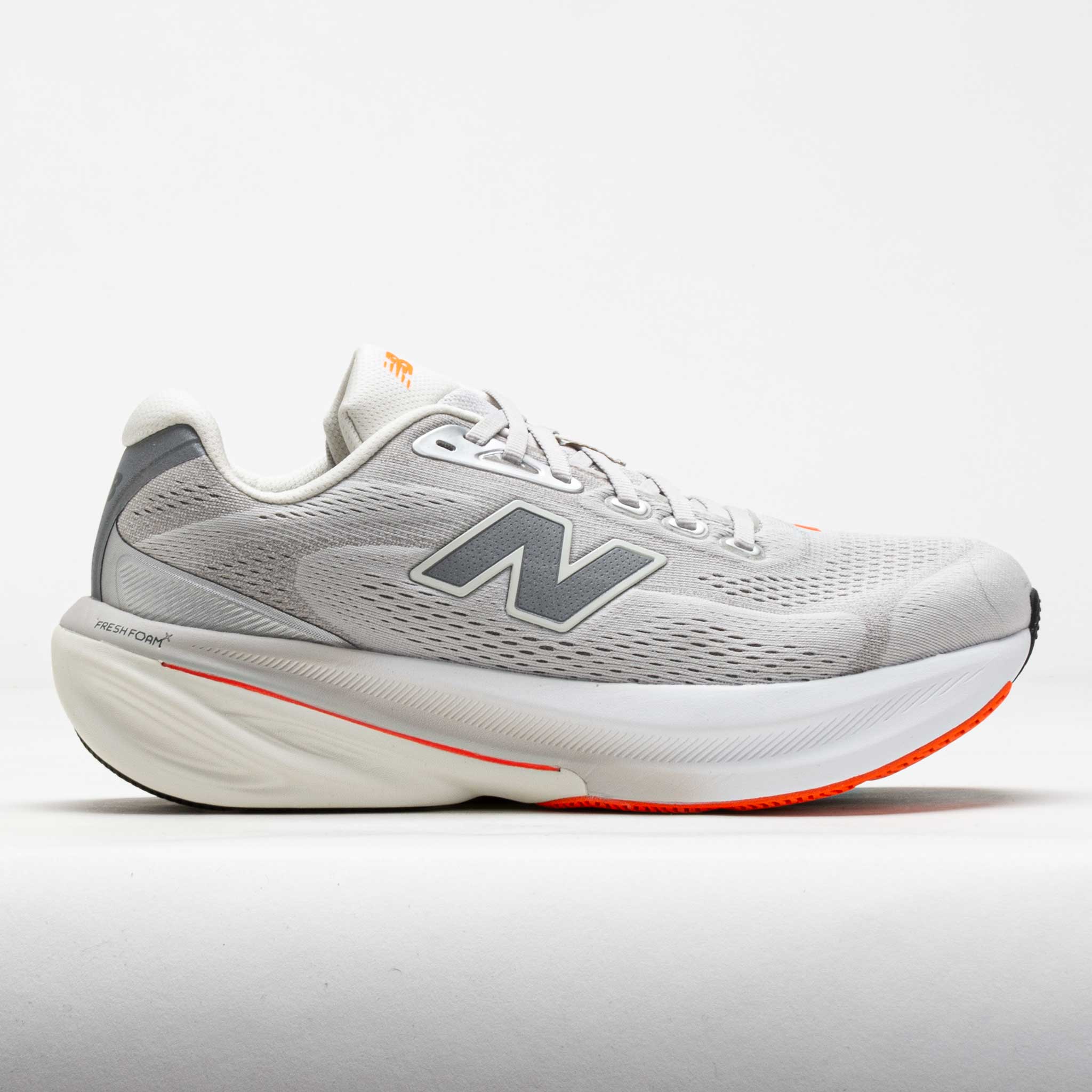
Fresh Foam comfort with dependable everyday guidance.
Search Fresh Foam X 860v15 on Amazon ↗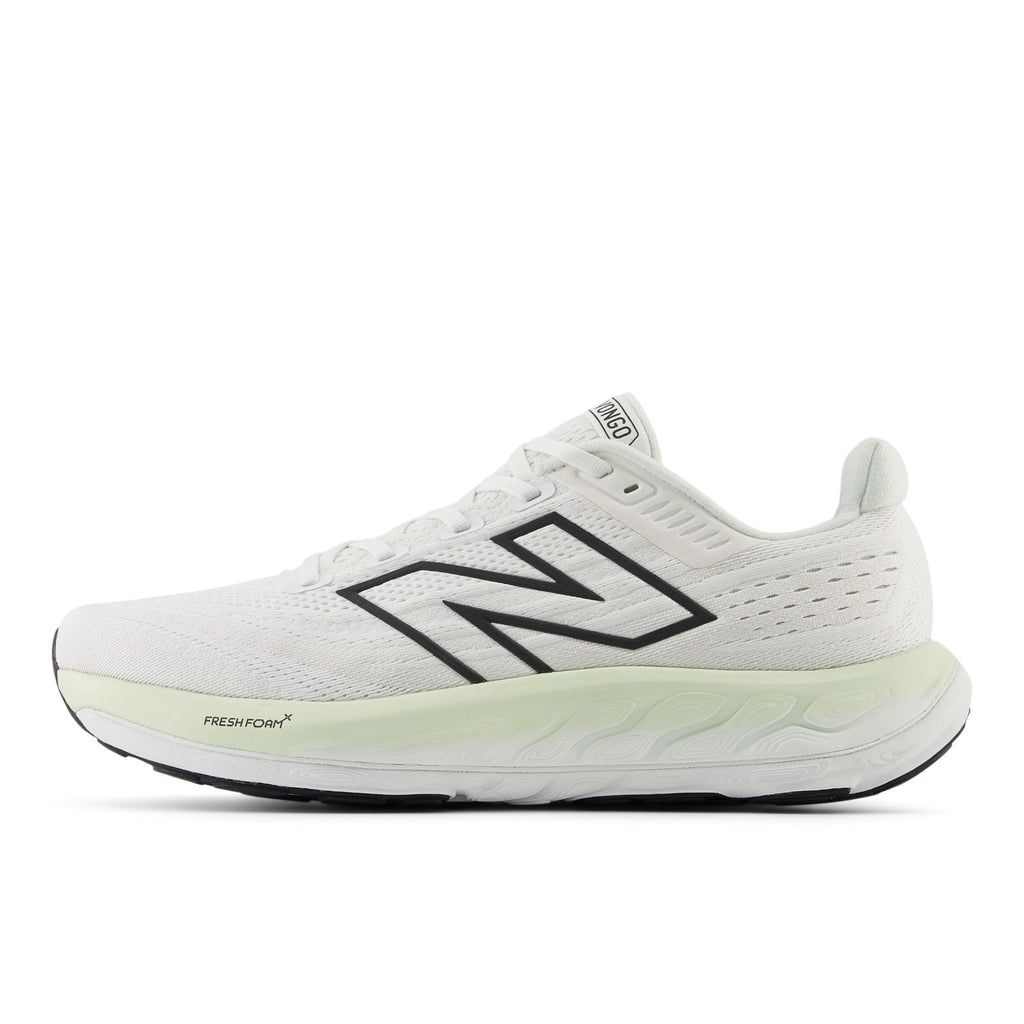
A Stability Plane adds support without a hard medial post.
Search Fresh Foam X Vongo v6 on Amazon ↗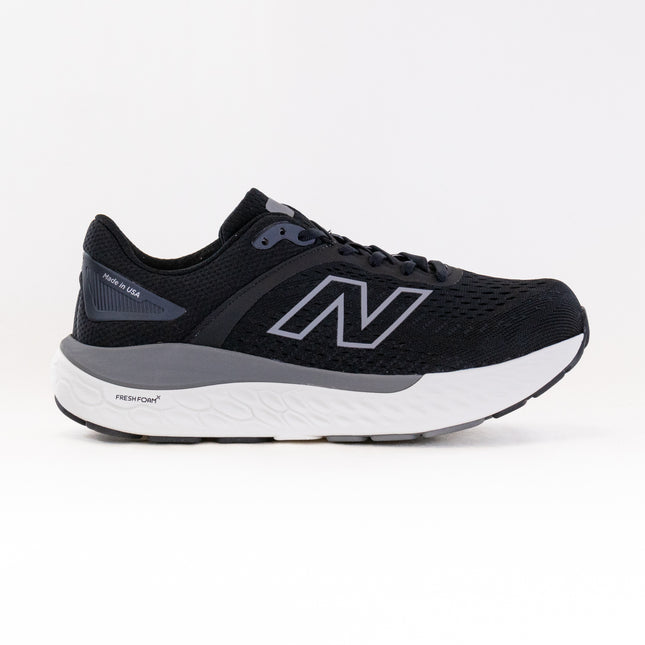
ROLLBAR rearfoot control, extensive width choices and Fresh Foam cushioning.
Search Fresh Foam X 1540v4 on Amazon ↗Questions about this topic
Does a New Balance wide fit every wide foot?
No. Width labels do not describe every part of the upper. Check forefoot room, instep volume and heel security separately.
Are Vongo and 860 the same shoe with different names?
No. They are distinct model families. Even when they share a named technology, compare the exact editions and complete fit.