Buy for the running you will actually do
Your first pair should suit your next several weeks, not an imagined future race. For short easy runs and run-walk sessions, a daily road trainer is a sensible category to explore. A specialist racing shoe or very heavy control shoe needs a clearer reason.
Set a budget that leaves room for suitable socks and replacement when needed. A discount on a previous version can be useful if it fits well and the return terms are workable. The most expensive stability shoe is not automatically the most suitable starting point.
Let comparison reveal your preference
Try one neutral daily trainer and one stability trainer in an appropriate size. You are looking for a meaningful comfort difference, not trying to achieve a perfectly motionless foot. Run briefly if the shop allows it, because standing softness can be misleading.
Ask for a different model if either shoe presses into the arch, slips at the heel or feels awkward through the forefoot. A new runner may not yet have a detailed vocabulary for shoe feel. Simple observations such as pinching, sliding or feeling balanced are enough to guide the fitting.
Understand what a shop assessment can tell you
A fitting can help identify size, width and visible movement, but a short treadmill clip is not a complete medical diagnosis. If someone recommends stability, ask what specific feature they think will improve your experience and compare it on your feet.
Static arch shape is only part of the picture. Do not assume that a wet footprint or an old shoe’s worn edge dictates a category for life. If running is painful or you have a relevant injury history, a qualified clinician can assess more than a retail fitting can.
Keep the first outings simple
Choose short, familiar routes when trying a new pair. Avoid making the shoe’s debut on your longest planned session, and record whether any discomfort appears during walking, running or afterward. This makes it easier to explain a problem if you need a different fit.
You do not need a multi-shoe rotation immediately. One comfortable pair can cover early training while you learn what you prefer. Revisit the category only if a real need emerges, such as terrain, fit trouble or a distinct workout that your daily trainer does not handle comfortably.
Catalog models to investigate
Model profiles summarize published information, not personal wear testing.
As an Amazon Associate, we may earn from qualifying purchases.
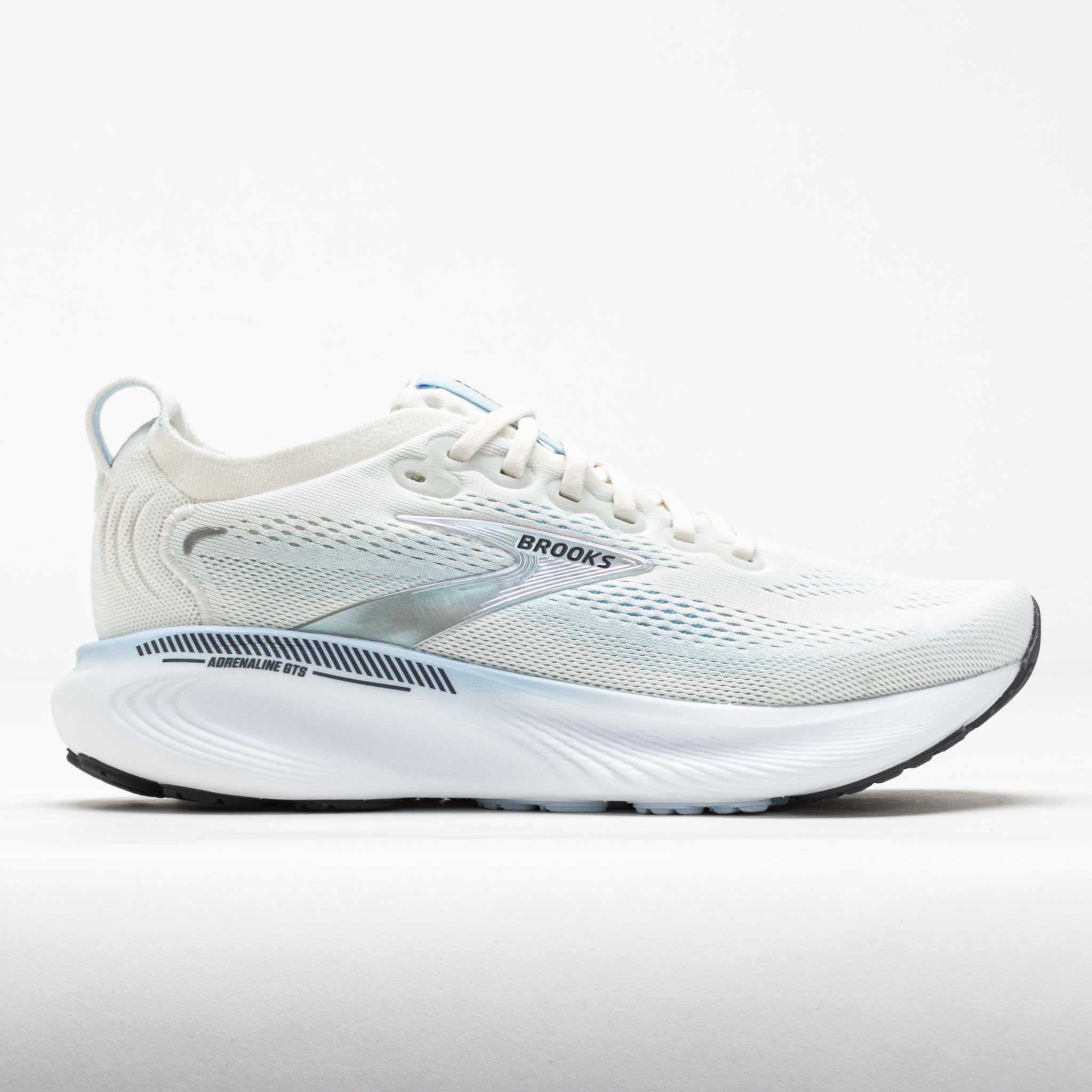
GuideRails support with a familiar daily-trainer feel.
Search Adrenaline GTS 25 on Amazon ↗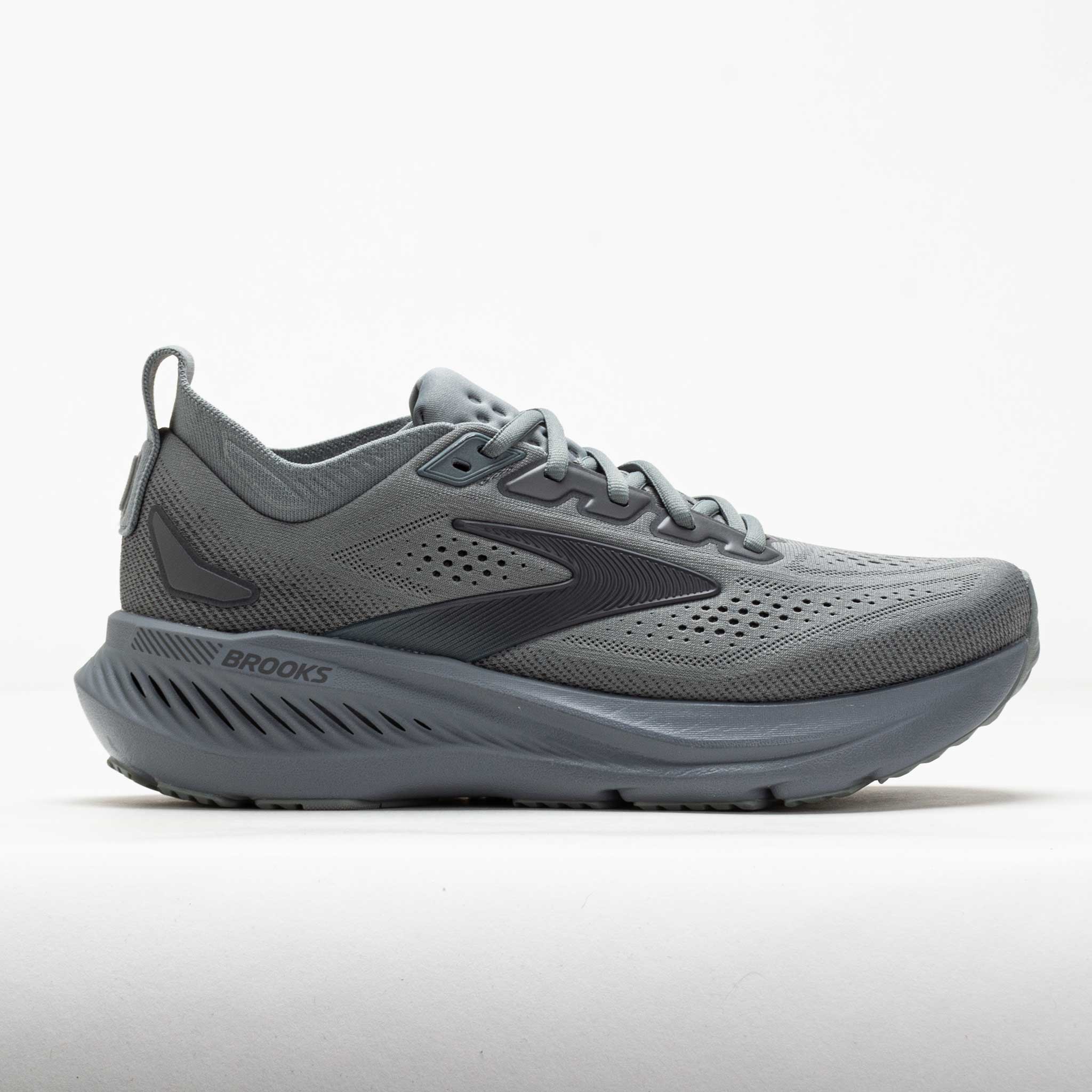
A softer, premium alternative to the Adrenaline.
Search Glycerin GTS 23 on Amazon ↗
Substantial motion management and a broad, durable platform.
Search Beast GTS 24 on Amazon ↗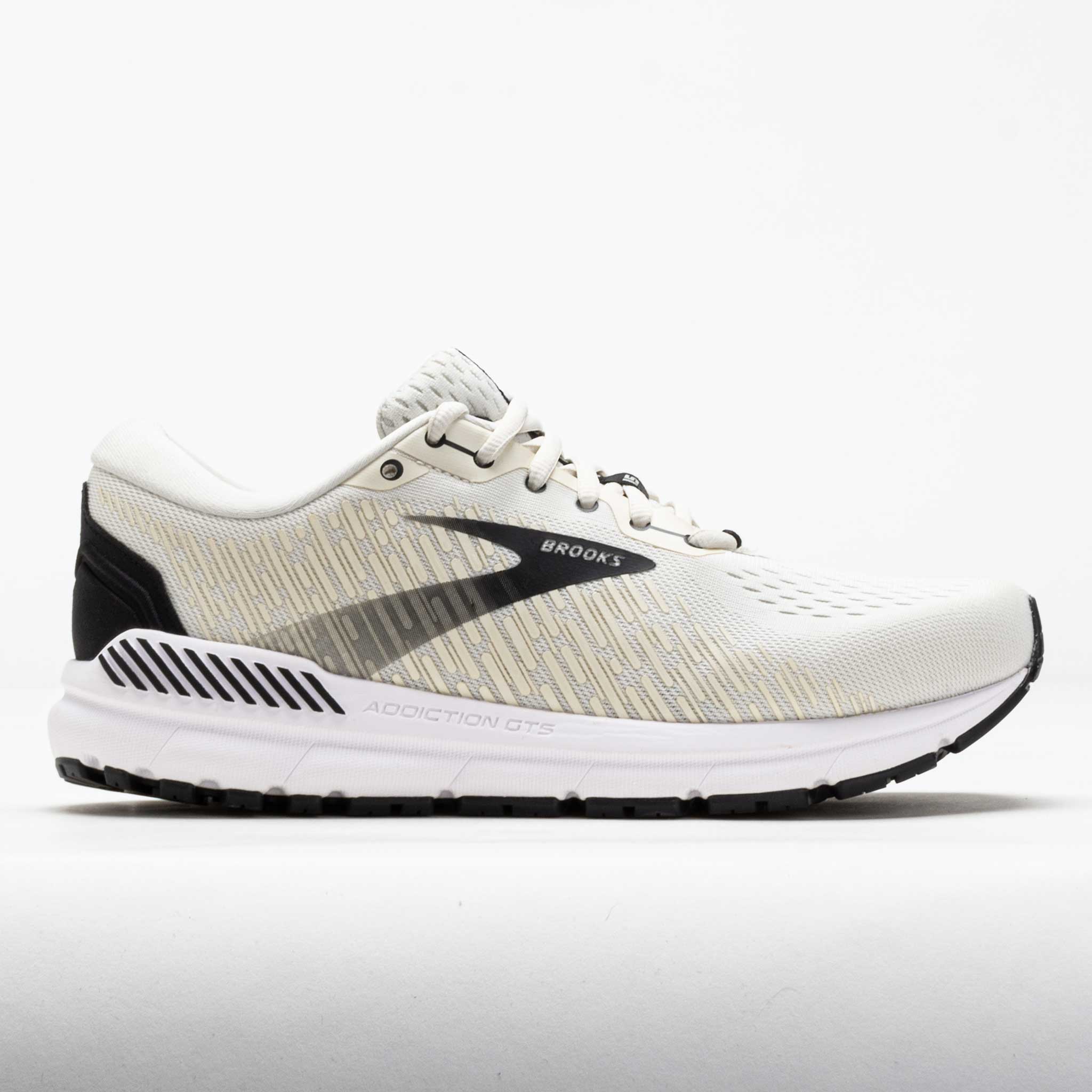
Roomy motion-control geometry for runners who prefer a firm base.
Search Addiction GTS 15 on Amazon ↗
Adaptive guidance paired with high-stack cushioning.
Search GEL-Kayano 32 on Amazon ↗Questions about this topic
Do beginners benefit from the strongest support?
Not by default. More structure is useful only if it improves the individual fit and running experience; it is not a substitute for a suitable training progression.
How many pairs should I buy first?
One well-fitting pair is usually enough to begin. Learn how it performs before paying for additional shoes with overlapping roles.