Read the labels as a spectrum
Retailers commonly separate neutral, stability and motion-control running shoes. The last category generally suggests a more substantial platform and stronger movement management. However, one company’s maximum support can overlap another company’s stability label. There is no common numeric correction score printed inside every shoe.
That makes broad rankings such as twice the support unreliable unless a specific measurement is provided. Ask what is actually different: the rearfoot structure, the platform shape, the midsole’s resistance to deformation or the room available inside. These details are more useful than assuming every shoe in a category behaves alike.
What extra structure can change
A substantial shoe may feel reassuring when a lighter trainer feels vague underfoot. It may also feel cumbersome or conspicuous to someone who prefers more flexibility. The tradeoff is personal, and the same runner can prefer different shoes for a walking day and a brisk run.
Brooks Ariel and Beast are families commonly considered when shoppers want a more substantial support option; everyday stability families offer other balances of cushioning and guidance. Treat those roles as fitting prompts. Do not assume that a model name establishes medical suitability or that a heavier shoe necessarily provides more useful control.
When comparing both categories makes sense
Try the more structured option when you have a clear reason: previous success in that type of shoe, professional advice, or a repeated preference for its feel during running. If a moderate trainer already feels comfortable and secure, moving upward in a retailer’s support chart is not an achievement you need to pursue.
Bring any prescribed insert to the fitting and discuss its intended use. The shoe and insert form one system, so available interior space and heel hold can matter as much as the category. A roomy-looking upper is not proof that your specific insert will sit properly inside it.
Use a task-specific comparison
Compare complete pairs over the same movements. If the shoes are for running, include running; if the main use is walking, assess your normal walking pace and turns. Notice whether the added structure improves your confidence without creating a pressure point or making the transition feel forced.
Write down the reason you prefer one pair before looking at the support label again. Clear observations such as heel stays held or arch ridge is distracting help more than a general feeling that stronger must be safer. If persistent symptoms drove the search, bring those observations to a clinician rather than using shoe labels as a diagnosis.
Catalog models to investigate
Model profiles summarize published information, not personal wear testing.
As an Amazon Associate, we may earn from qualifying purchases.
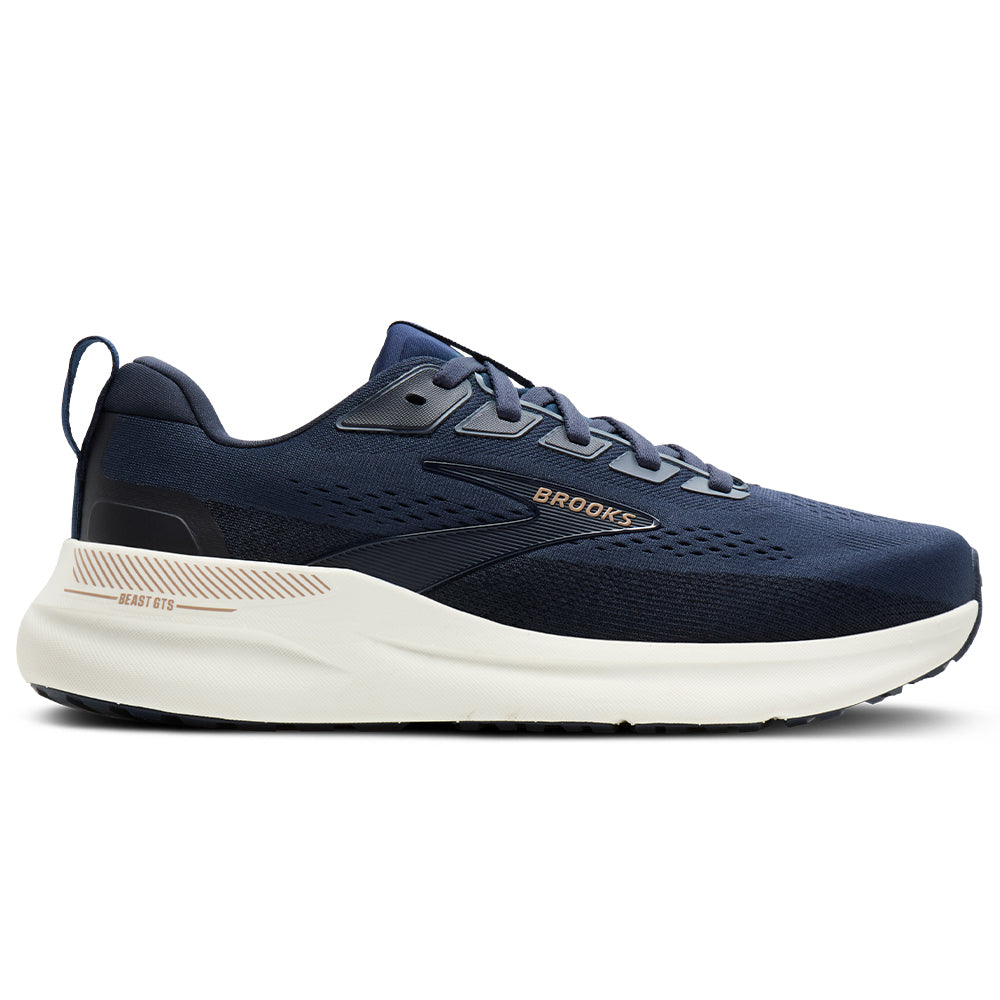
The current Beast combines a roomy platform, plush foam and substantial GuideRails support.
Search Beast GTS 26 on Amazon ↗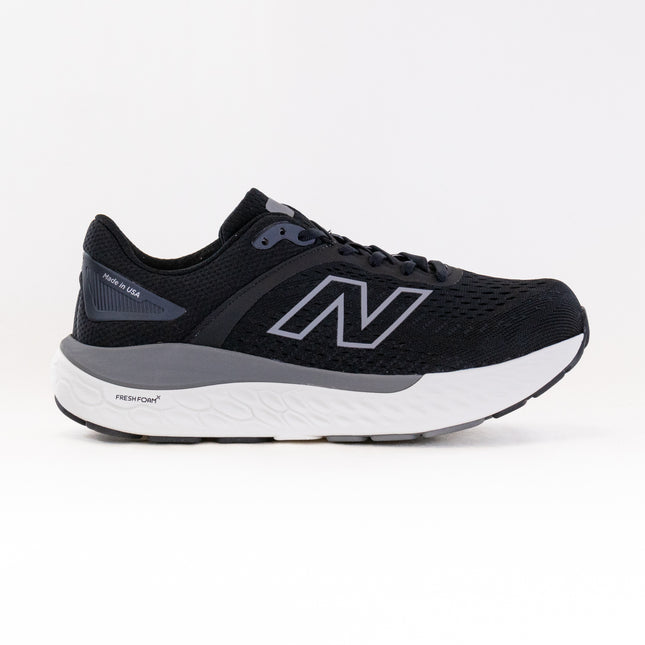
ROLLBAR rearfoot control, extensive width choices and Fresh Foam cushioning.
Search Fresh Foam X 1540v4 on Amazon ↗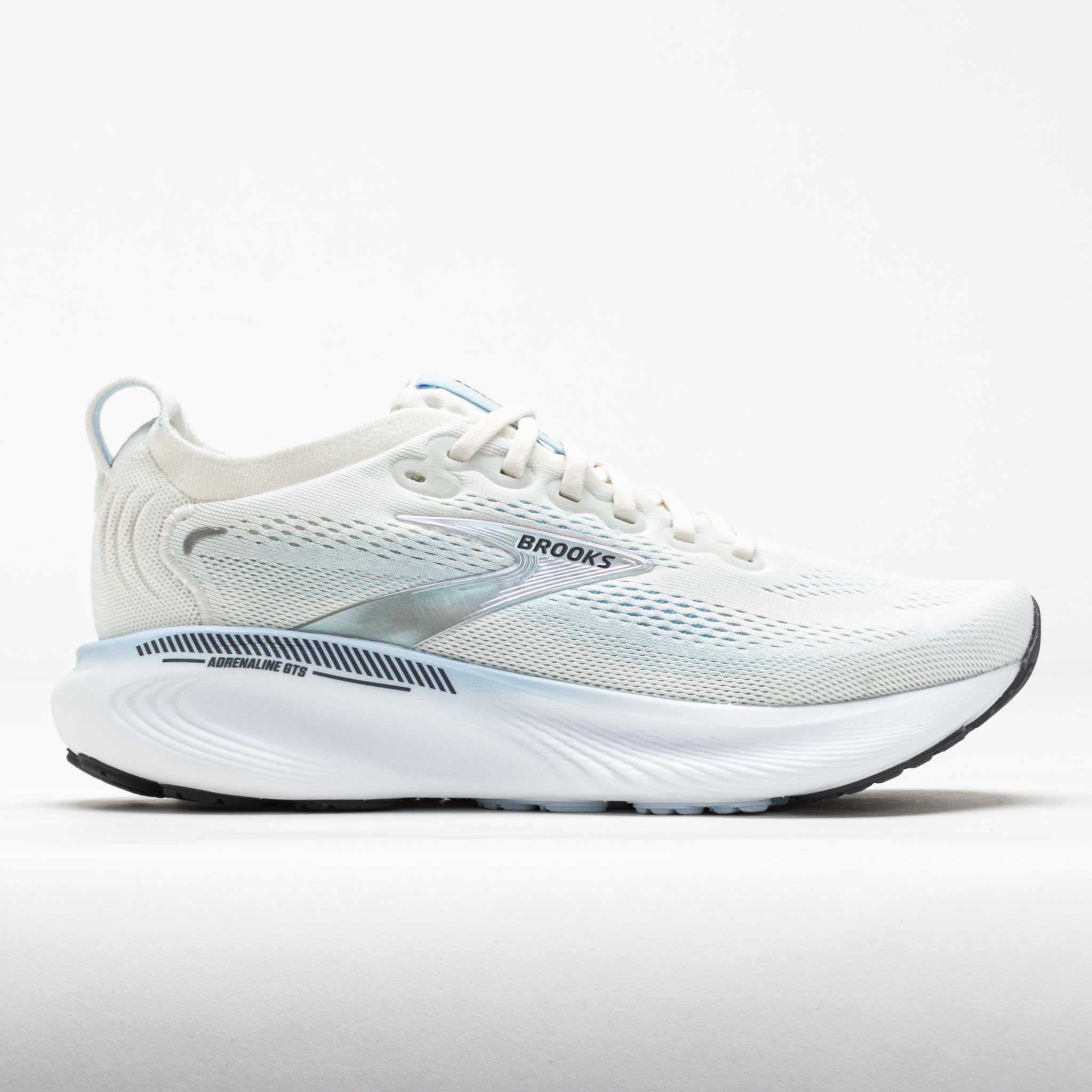
GuideRails support with a familiar daily-trainer feel.
Search Adrenaline GTS 25 on Amazon ↗
Adaptive guidance paired with high-stack cushioning.
Search GEL-Kayano 32 on Amazon ↗Questions about this topic
Are all motion-control shoes stiff and uncomfortable?
No. The category suggests substantial guidance, but cushioning and fit vary. Comfort has to be assessed in the particular model.
Do flat feet automatically require motion control?
A standing arch shape alone is insufficient for a purchase decision. Consider movement, comfort, previous footwear experience and professional advice when symptoms are present.